Categories
Blog

Maximizing Curb Appeal: Exterior Renovation Tips from Yonkers General Contractors

To maximize curb appeal, start by enhancing your entryway with a bold front door color and welcoming lighting. Refresh your home’s exterior paint for a revamped look and choose colors that resonate with your neighborhood. Use native plants in your landscaping for easy maintenance and create visual interest throughout the year. Upgrade your outdoor lighting for safety and ambiance. Don’t forget to maintain your roof and gutters for a polished appearance. There’s even more to explore!

Enhancing Your Entryway

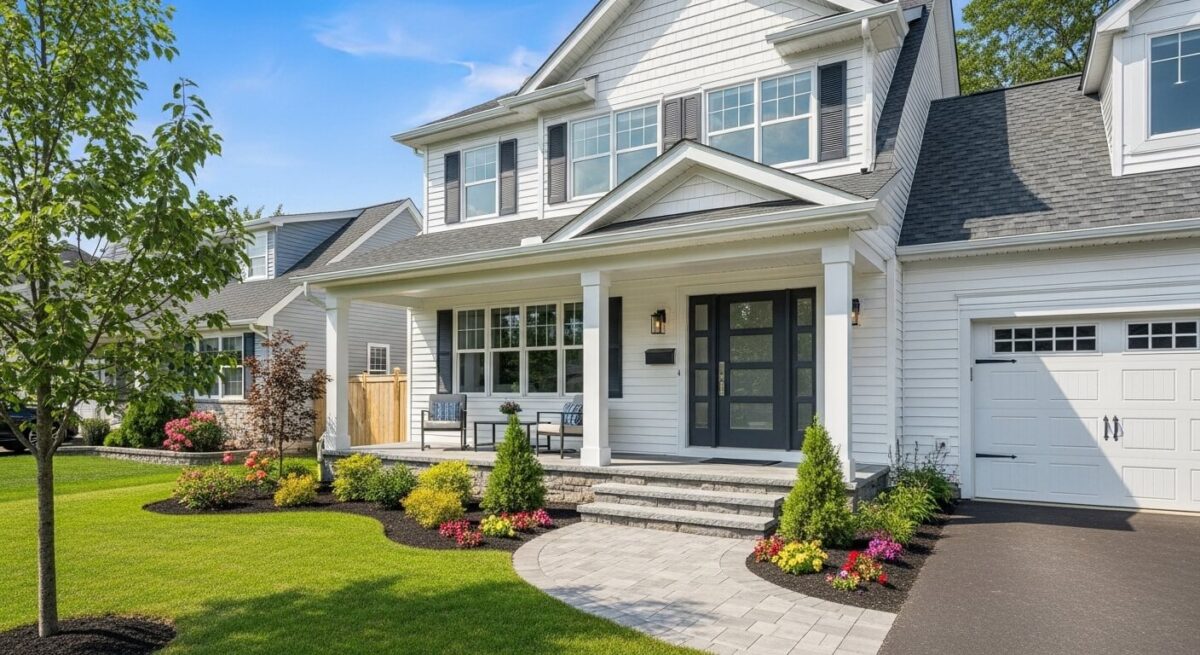
Your entryway sets the tone for your home, so when you enhance it, you make a lasting first impression.

Start by updating your front door; a bold color or stylish hardware can work wonders. Add a welcoming doormat and clean, well-maintained lighting fixtures to brighten the space.

Incorporate planters with seasonal flowers or greenery for a vibrant touch. If space allows, consider a bench or seating area for added charm and functionality.

Finally, keep the area tidy and free of clutter, ensuring every detail reflects your style. These small changes can greatly boost your home’s curb appeal.

Refreshing Your Home’s Exterior Paint

A fresh coat of paint can do wonders for your home’s exterior, instantly revitalizing its appearance. Choose colors that complement your neighborhood and reflect your style.

Before you start, clean the surfaces thoroughly to guarantee proper adhesion. Don’t forget to patch any cracks or holes, as this helps achieve a smooth finish.

Consider using high-quality, weather-resistant paint to protect against the elements. If you’re feeling adventurous, try an accent color on your front door or shutters to add personality.

Landscaping for Maximum Impact

While enhancing your home’s curb appeal, effective landscaping can make a significant difference.

Start by defining your yard’s purpose—whether it’s for relaxation, entertainment, or play. Use native plants that thrive in your environment, requiring less maintenance and water. Incorporate colorful flowers and shrubs to create visual interest year-round.

Consider mulching for a polished look and to suppress weeds. Adding pathways or stone borders can give your garden structure and guide visitors.

Finally, keep your lawn well-maintained with regular mowing and edging.

With thoughtful landscaping, you’ll not only boost your home’s appeal but also create an inviting atmosphere for guests.

Upgrading Outdoor Lighting

How can you transform your outdoor space with the right lighting? Upgrading your outdoor lighting isn’t just about visibility; it’s about creating ambiance.

Start by installing path lights to guide guests along walkways, enhancing safety while adding charm. Consider accent lighting to highlight your landscaping or architectural features.

Wall sconces can elevate your entryway, making it more inviting. Don’t forget about string lights for a cozy, festive atmosphere during gatherings.

Smart lighting systems can offer convenience and energy efficiency, allowing you to control your outdoor space from anywhere.

With the right upgrades, you’ll boost curb appeal and enjoy your outdoor areas even more.

Repairing and Maintaining Your Roof and Gutters

Maintaining your roof and gutters is essential for protecting your home from water damage and ensuring its longevity.

Regularly inspect your roof for missing or damaged shingles, and replace them promptly to prevent leaks.

Clean your gutters at least twice a year to remove debris, ensuring proper water flow. Clogged gutters can lead to overflow, damaging your foundation and siding.

Don’t forget to check for rust or corrosion on gutter seams and downspouts, and seal any leaks.

Consider hiring a professional for thorough inspections, especially after severe weather.

A well-maintained roof and gutter system enhances your home’s curb appeal and value.

Frequently Asked Questions

How Can I Choose the Right Color Palette for My Home?

To choose the right color palette for your home, consider your surroundings, architectural style, and personal taste.

Test samples on your walls, and guarantee they complement each other for a cohesive look that reflects your style.

What Are the Most Cost-Effective Renovations for Boosting Curb Appeal?

You can boost curb appeal cost-effectively by painting your front door, adding outdoor lighting, landscaping with low-maintenance plants, and power washing driveways and walkways.

These simple updates make a significant impact without breaking the bank.

How Do Seasonal Changes Affect Exterior Maintenance Tasks?

Seasonal changes impact your exterior maintenance tasks considerably.

In spring, focus on cleaning and planting.

Summer’s all about landscaping.

Fall requires gutter cleaning, while winter demands snow removal and inspecting for ice damage.

Stay proactive!

Are There Any Local Regulations for Exterior Renovations I Should Know?

Yes, you should check local regulations regarding exterior renovations.

Zoning laws, permits, and historical district requirements can vary.

Contact your local building department to verify your plans comply with all necessary guidelines.

What Materials Are Best for Long-Lasting Outdoor Features?

For long-lasting outdoor features, choose durable materials like composite decking, stone, and metal.

These withstand weather and wear better than wood or plastic. Incorporating high-quality materials guarantees your outdoor space looks great for years to come.

Conclusion

By focusing on these key areas, you can significantly boost your home’s curb appeal. Enhancing your entryway, refreshing your paint, and investing in landscaping make a noticeable difference. Don’t forget about outdoor lighting to create a welcoming atmosphere and regular roof and gutter maintenance to protect your investment. With these tips from Yonkers general contractors, you’ll not only improve your home’s appearance but also its value. So, get started today and watch your home shine!

Categories
Blog

Small Space Solutions: Yonkers Home Contractors Share Smart Renovation Ideas

Transform your small space into a functional haven with smart renovation ideas from Yonkers home contractors. Maximize vertical space with ceiling-high shelves and wall-mounted storage. Choose dual-purpose furniture like sofa beds and storage ottomans to save room. Embrace an open concept by removing unnecessary walls to enhance flow and light. Use light colors to create an airy vibe, while adding outdoor extensions for extra living space. Discover more innovative solutions to elevate your home’s potential!

Maximizing Vertical Space: Shelving and Storage Solutions

When it comes to small spaces, utilizing vertical space can transform your home. You can install shelves that reach the ceiling, creating ample room for books, plants, or decor.

Use wall-mounted storage units to keep items off the floor and maintain an organized look. Consider adding hooks or pegboards for additional storage of tools or kitchen utensils.

Floating shelves are great for displaying personal items without taking up valuable space. Don’t overlook corners; corner shelves can maximize every inch.

Multifunctional Furniture: Dual-Purpose Pieces for Small Homes

Maximizing vertical space can only take you so far in a small home; incorporating multifunctional furniture can further enhance your living area.

Think about a sofa bed that transforms your living room into a guest room or an ottoman that doubles as storage. You might also consider a dining table that folds down when not in use or a desk that can be tucked away.

These dual-purpose pieces not only save space but also add versatility to your home. By choosing multifunctional furniture, you’ll create a more efficient and stylish environment, making the most of every square inch.

Open Concept Living: Creating Flow in Compact Areas

Open concept living can transform compact areas into inviting, cohesive spaces that feel larger than they are. By removing unnecessary walls, you create a seamless flow between your kitchen, dining, and living areas.

This design encourages interaction and maximizes natural light, enhancing your home’s overall ambiance. Consider using consistent flooring and color schemes to unify the spaces visually.

When choosing furniture, opt for pieces that don’t overwhelm the space but still offer essential functionality. You’ll find that open spaces can adapt to various needs, making your home feel more spacious and welcoming while promoting a relaxed, social atmosphere.

Smart Color Choices: Using Light and Dark to Enhance Space

Creating a cohesive flow in open concept living spaces can be further enhanced with smart color choices. Light colors like soft whites and pale pastels can make your space feel larger and more inviting. They reflect natural light, creating an airy atmosphere.

On the other hand, darker shades can add depth and warmth, creating cozy nooks within your open layout. Consider using darker accents on walls or furniture to balance the light tones.

Outdoor Extensions: Expanding Living Space With Patios and Balconies

While you might think of your living space as solely indoors, outdoor extensions like patios and balconies can greatly enhance your home’s functionality and aesthetics.

These spaces provide a seamless connection between your home and nature, perfect for entertaining, relaxing, or enjoying a morning coffee. By adding comfortable seating, greenery, and even outdoor kitchens, you can create a cozy oasis.

Consider using multi-functional furniture to maximize space. Balconies can also offer stunning views, making them great for small homes.

With thoughtful design, your outdoor areas can become an extension of your lifestyle, allowing for more enjoyable living without expanding your home’s footprint.

Frequently Asked Questions

How Do I Choose the Right Contractor for Small Space Renovations?

To choose the right contractor for small space renovations, research local options, read reviews, ask for recommendations, and check their portfolios.

Interview candidates to gauge communication skills and make certain they understand your vision and needs.

What Budget Should I Expect for Small Space Renovations?

You should expect to budget anywhere from $10,000 to $50,000 for small space renovations.

Factors like materials, design complexity, and contractor fees can influence the total cost, so always plan for unexpected expenses.

Are There Specific Permits Required for Small Space Projects?

Yes, you’ll likely need specific permits for small space projects, depending on your local regulations.

It’s best to check with your city or county office to guarantee you comply with all necessary requirements before starting renovations.

How Long Do Typical Small Space Renovations Take to Complete?

Typical small space renovations usually take between two to six weeks, depending on the project’s complexity and scope.

You’ll want to plan for potential delays, but effective communication can help keep everything on track.

What Are the Best Materials for Small Space Renovations?

For small space renovations, consider using lightweight materials like plywood, modular furniture, and mirrors to enhance light and perception of space.

Durable finishes like laminate or vinyl can also maximize functionality without overwhelming your area.

Conclusion

By embracing these small space solutions, you can transform your home into a more functional and enjoyable environment. Get creative with vertical storage, invest in multifunctional furniture, and consider open concept designs to enhance flow. Don’t forget to play with color to make your space feel larger and brighter. Lastly, think about outdoor extensions to expand your living area. With these smart renovation ideas, you’ll maximize every inch of your home while adding your personal touch.

Categories
Blog

Disaster Repairs and Insurance Claims: How Yonkers General Contractors Help Homeowners Recover

Yonkers general contractors are your trusted guides through disaster recovery, helping you assess damage, create detailed repair plans, and navigate tricky insurance claims. They’ll coordinate repairs, manage subcontractors, and guarantee all work meets local codes. By collaborating with insurance adjusters and documenting everything, they advocate for your needs. You’ll have peace of mind knowing your home is in good hands, and there’s even more to explore about how they streamline the entire recovery process.

Understanding the Role of General Contractors in Disaster Recovery

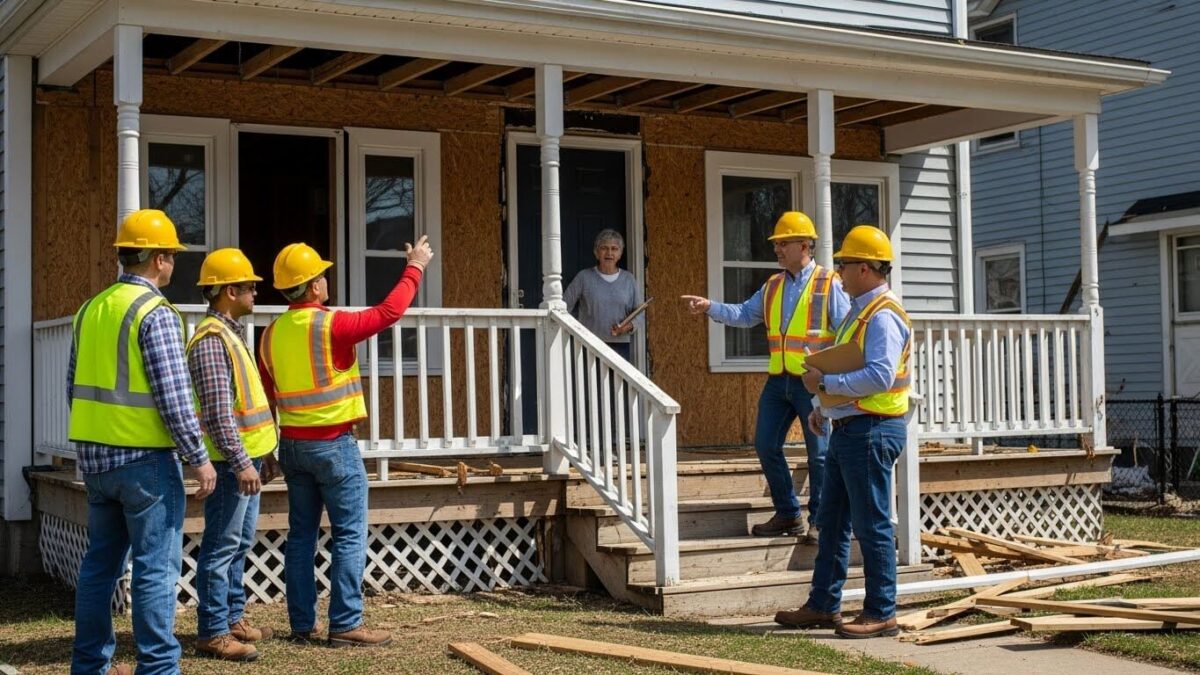
When disaster strikes, understanding the role of general contractors in recovery can make a significant difference in the restoration process. They act as your trusted guides, coordinating repairs and managing the entire project.

You’ll find they handle everything from hiring subcontractors to obtaining permits, ensuring compliance with local codes. Their experience allows them to navigate the complexities of your insurance claims, advocating for your needs.

With a general contractor by your side, you can focus on rebuilding your life while they tackle the logistics and details. Their expertise is invaluable in turning your damaged property back into a safe, livable space.

Assessing Damage and Creating Repair Plans

After you’ve enlisted the help of a general contractor, the next step involves evaluating the damage to your property. Your contractor will conduct a thorough inspection, identifying structural issues, water damage, and safety hazards.

It’s vital to document everything, taking photos for future reference. Once the evaluation is complete, your contractor will collaborate with you to create a detailed repair plan.

This plan outlines the necessary repairs, materials needed, and estimated timelines. By working closely with your contractor, you’ll guarantee that all aspects of the repair process are addressed, giving you peace of mind as you move forward with restoring your home.

Navigating the Insurance Claims Process

How do you effectively navigate the insurance claims process after disaster strikes?

Start by reviewing your policy to understand what’s covered. Document all damage with photos and detailed notes, as this evidence will support your claim.

Then, report the damage to your insurance company promptly, providing all necessary information. Keep a record of every communication and correspondence.

Be prepared for a possible inspection by an adjuster, and don’t hesitate to ask questions about the process.

Finally, stay organized and follow up regularly to guarantee your claim is processed efficiently. This proactive approach can streamline your recovery efforts.

Collaborating With Insurance Adjusters

Once you’ve reported your damage and initiated the claims process, collaborating with insurance adjusters becomes key to ensuring a smooth resolution.

You’ll want to establish clear communication from the start. Share all necessary documentation, including photos and repair estimates, to support your claim.

Be proactive in answering their questions and addressing concerns. This partnership can help expedite the assessment and approval process.

Don’t hesitate to ask for clarification if you don’t understand something. Remember, the adjuster’s goal is to evaluate the damage fairly, so presenting a well-organized case can make a significant difference in your claim outcome.

Ensuring Quality Repairs and Restoration

While steering through the aftermath of a disaster, guaranteeing quality repairs and restoration is essential for your peace of mind and the safety of your property.

You should thoroughly vet general contractors, checking their licenses, insurance, and references. Ask for detailed estimates that outline the scope of work and materials used.

Communicate your expectations clearly and keep a record of all interactions. Regularly inspect the work being done to guarantee it meets industry standards.

Frequently Asked Questions

How Do I Choose the Right General Contractor for My Repairs?

To choose the right general contractor for your repairs, research local options, read reviews, compare estimates, and ask for references.

Trust your instincts, and make certain they communicate well and understand your specific needs.

What Should I Do Immediately After a Disaster Occurs?

After a disaster, assess the damage, guarantee your safety, and document everything with photos.

Then, contact your insurance provider to report the incident and start the claims process for any necessary repairs or assistance.

Are There Specific Permits Needed for Disaster Repairs?

Yes, you’ll often need specific permits for disaster repairs.

Check with your local building department to guarantee compliance with regulations.

It’s essential to obtain the right approvals before starting any repair work to avoid future issues.

How Long Does the Repair Process Typically Take?

The repair process usually takes a few weeks to several months, depending on the damage’s extent.

You’ll want to stay in close contact with your contractor to guarantee everything progresses smoothly and efficiently.

Can I Use My Own Contractor Instead of the Insurance Company’s Recommendation?

Yes, you can choose your own contractor instead of the insurance company’s recommendation.

Just make certain your contractor meets the insurance requirements, and communicate with your insurer to guarantee a smooth claims process.

Conclusion

In the aftermath of a disaster, working with Yonkers general contractors can make all the difference in your recovery. They help you assess damage, create effective repair plans, and navigate the complexities of insurance claims. By collaborating with insurance adjusters, you ensure your needs are met and your home is restored to its former condition. Remember, you don’t have to face this challenging process alone—professional support is just a call away, ready to guide you every step of the way.

Categories
Blog

The Future of Construction: How Yonkers General Contractors Use Technology to Improve Efficiency

Yonkers general contractors are leveraging technology to boost efficiency in construction. They’re using Building Information Modeling (BIM) for better collaboration and communication among teams, ensuring everyone stays informed. Drones enhance project monitoring and improve safety by surveying hard-to-reach areas. Advanced project management software helps track progress and manage resources effectively, while sustainable practices reduce waste and lower costs. As you explore further, you’ll uncover more ways these innovations are shaping the future of construction.

Embracing Building Information Modeling (BIM) for Enhanced Collaboration

As you immerse yourself in the world of construction technology, embracing Building Information Modeling (BIM) can greatly enhance collaboration among project stakeholders.

With BIM, you create a digital representation of the project, allowing everyone to visualize and understand the design. This shared platform fosters communication, reducing misunderstandings and errors.

You’ll find that real-time updates keep everyone on the same page, ensuring that changes are quickly addressed. By integrating various disciplines into one model, you streamline workflows and improve efficiency.

Ultimately, adopting BIM not only enhances teamwork but also empowers you to deliver projects on time and within budget.

The Role of Drones in Modern Construction Projects

While many traditional methods of surveying and monitoring construction sites can be time-consuming and prone to human error, drones have emerged as game-changers in modern construction projects.

You can use drones to capture high-resolution aerial images and create detailed site maps quickly. This technology allows you to monitor progress in real-time, ensuring tasks stay on schedule.

Drones also improve safety by surveying hard-to-reach areas without putting workers at risk. By incorporating drones into your projects, you enhance accuracy, streamline inspections, and save both time and resources, ultimately leading to more efficient construction practices and better project outcomes.

Streamlining Operations With Advanced Project Management Software

Incorporating drones into your construction projects is just one way to leverage technology for improved efficiency.

But don’t stop there; advanced project management software can further streamline your operations. These tools help you track progress, manage resources, and communicate effectively with your team.

You’ll find it easier to set timelines, allocate budgets, and oversee multiple tasks simultaneously. With real-time updates, you can quickly identify issues and make informed decisions.

This technology not only enhances collaboration but also boosts productivity, ensuring your projects stay on schedule and within budget.

Embrace these innovations to transform your construction processes and achieve better results.

Improving Safety Standards Through Technological Innovations

When it comes to construction, guaranteeing safety on-site is paramount, and technological innovations play an essential role in achieving this goal.

You can use wearable devices that monitor workers’ health and environmental conditions, alerting them to potential hazards. Drones can survey sites and identify unsafe areas before accidents happen.

Additionally, virtual reality training immerses workers in realistic scenarios, enhancing their preparedness for real-life situations. By adopting advanced safety apps, you can streamline communication and guarantee everyone stays informed about protocols.

Embracing these technologies not only protects your team but also fosters a culture of safety that boosts overall project efficiency.

The Impact of Sustainable Practices on Construction Efficiency

As construction technology enhances safety, it also opens the door to integrating sustainable practices that can greatly boost project efficiency.

By adopting eco-friendly materials and energy-efficient methods, you can reduce waste and lower costs. Implementing practices like modular construction and recycling helps streamline processes, leading to quicker project completion.

Plus, using technology for better resource management allows you to monitor energy use and minimize environmental impact.

Ultimately, embracing sustainability isn’t just good for the planet; it also enhances your bottom line.

You’ll find that clients increasingly prefer contractors who prioritize environmentally responsible practices, so it’s a smart move for your business.

Frequently Asked Questions

What Are the Costs Associated With Implementing New Construction Technologies?

Implementing new construction technologies can involve significant costs, including purchasing software and hardware, training staff, and potential downtime during the changeover.

You should budget for ongoing maintenance and updates to maximize efficiency and effectiveness.

How Can Small Construction Firms Benefit From Technology Adoption?

You can streamline operations, enhance project management, and reduce costs by adopting technology.

Embracing tools like software for scheduling and budgeting improves efficiency, enabling you to compete better and deliver higher quality work to clients.

What Training Is Required for Workers to Use Advanced Technologies?

You’ll need hands-on training in software applications, equipment operation, and safety protocols.

Workshops or online courses can help you grasp advanced technologies, ensuring you’re equipped to maximize efficiency and productivity on construction projects.

Are There Any Legal Implications of Using Drones in Construction?

Yes, there are legal implications.

You need to comply with FAA regulations, secure necessary permits, and respect privacy laws.

Neglecting these can lead to fines or project delays, so staying informed is essential for your success.

How Do Yonkers Contractors Stay Updated on Technology Trends?

Yonkers contractors stay updated on technology trends by attending industry conferences, participating in webinars, subscribing to relevant publications, and networking with peers.

They also embrace hands-on training to effectively implement new tools and techniques on-site.

Conclusion

In conclusion, Yonkers general contractors are truly transforming the construction landscape by embracing technology. By leveraging Building Information Modeling, drones, and advanced project management software, they’re not just streamlining operations but also enhancing collaboration and safety. Plus, their commitment to sustainable practices is paving the way for a more efficient future. As you look ahead, it’s clear that these innovations will shape the industry, driving progress and setting new standards for construction excellence.

Categories
Blog

How Long Do Home Renovations Take? A Timeline from Yonkers General Contractors

Home renovations can take anywhere from a few days to several months, depending on the project’s scope. Quick updates like painting might only last a week, while mid-sized renovations, such as kitchen remodels, typically span 3 to 6 weeks. Larger projects, including whole-home renovations, can extend from 2 to 6 months or longer. Keep in mind that various factors, like contractor schedules and permit approvals, can affect these timelines. There’s more to contemplate, so let’s explore further.

Understanding the Renovation Process

When you decide to commence on a home renovation, understanding the process is essential to your success.

You’ll need to start by defining your goals and setting a budget. Next, research and hire reliable contractors who align with your vision.

Once you’ve secured your team, it’s time to finalize designs and acquire necessary permits.

During construction, maintain clear communication with your contractors to address any unforeseen issues.

As you approach completion, focus on the finishing touches that will enhance your space.

Factors Affecting Renovation Timelines

Several factors can influence the timeline of your home renovation, and understanding them can help you better plan your project.

First, the scope of work plays an essential role; larger projects naturally take longer. Weather conditions can also delay outdoor work, while materials availability can lead to unexpected holds.

If you’re working with a contractor, their schedule and efficiency will impact the timeline too. Changes you make mid-project can add further delays.

Finally, local regulations and permit requirements might extend your timeline as you navigate through the approval processes.

Consider these factors to set realistic expectations for your renovation.

Typical Renovation Project Timelines

Understanding typical renovation project timelines can help you plan your home improvements more effectively.

Generally, small projects like painting or upgrading fixtures take a few days to a week. Mid-sized renovations, such as kitchen or bathroom remodels, usually span 3 to 6 weeks.

Larger projects, including whole-home renovations or additions, can stretch from 2 to 6 months or more, depending on complexity.

It’s essential to account for permitting and potential delays, which can affect your schedule.

By knowing these timelines, you can set realistic expectations and minimize stress throughout the renovation process.

Plan accordingly, and stay on track!

Tips for a Smoother Renovation Experience

To guarantee a smoother renovation experience, start by setting a clear budget and timeline.

Communicate openly with your contractors about your expectations and preferences. Keep decisions simple; the more choices you make, the longer it may take.

Make sure to pick a reliable team with good reviews and references, as this can greatly impact your project.

Prepare your home by decluttering and creating a designated workspace for contractors.

Stay flexible—delays can happen, but a positive attitude can help you navigate any bumps in the road.

Regular check-ins with your team will keep everyone on the same page and maintain progress.

Preparing for the Unexpected During Renovations

Even with careful planning and preparation, unexpected challenges can arise during renovations. To minimize stress, set aside a contingency budget—10-20% of your total costs is a good rule.

Keep communication open with your contractor; they can help navigate issues as they come up. It’s wise to expect delays, whether due to weather, materials, or permits.

Have a flexible timeline in place, and remember that patience is key. Finally, maintain a temporary living arrangement if needed; it can ease the strain of living amidst chaos.

Frequently Asked Questions

What Permits Are Required for Home Renovations in Yonkers?

You’ll need a building permit, electrical permit, and plumbing permit for most home renovations in Yonkers.

Check with the local building department for specific requirements based on your project’s scope and complexity.

Can Renovations Be Completed During Winter Months?

Yes, renovations can be completed during winter months.

Just be prepared for potential delays due to weather conditions.

It’s essential to work with experienced contractors who can navigate these challenges effectively and keep your project on track.

How Do I Choose the Right Contractor for My Project?

To choose the right contractor, research their experience, read reviews, and ask for references.

Interview multiple candidates, clarify your vision, and guarantee they’re licensed and insured.

Trust your instincts; a good fit matters.

What Are Common Mistakes to Avoid During Renovations?

Avoid rushing decisions, underestimating budgets, and ignoring permits.

Don’t skip detailed planning or communication with your contractor.

It’s essential to stay organized and flexible, ensuring your renovation runs smoothly and meets your expectations.

How Will Renovations Affect My Home’s Value?

Renovations can notably boost your home’s value if done wisely.

Upgrading kitchens, bathrooms, and curb appeal usually yields the best returns.

Just avoid over-personalizing, as it might deter potential buyers when you decide to sell.

Conclusion

In conclusion, home renovations can vary significantly in duration, depending on several factors like project scope and contractor efficiency. By understanding the renovation process and preparing for potential delays, you can help ensure a smoother experience. Keep communication open with your contractors, and stay flexible to adapt to any unexpected challenges. With the right approach, you’ll not only achieve your dream space but also enjoy the journey of transforming your home. Happy renovating!

Categories
Blog

Custom Home Builds in Yonkers, NY: Why Hiring a Local General Contractor Matters

When you’re planning a custom home build in Yonkers, hiring a local general contractor is essential. They know the local building codes and regulations, ensuring your project is safe and compliant. Their familiarity with Yonkers’ architectural styles helps create a home that fits the neighborhood. Plus, established relationships with local suppliers mean better materials and prices. With enhanced communication and project management, your vision can easily become a reality. There’s more to explore about this important choice.

Understanding Local Building Codes and Regulations

When you’re planning a custom home build in Yonkers, NY, it’s vital to understand the local building codes and regulations that govern construction in the area.

These codes guarantee your home is safe, energy-efficient, and compliant with zoning laws. Familiarize yourself with setback requirements, height restrictions, and permits needed for various projects.

Since regulations can change, staying updated is important. Hiring a local general contractor can help you navigate these complexities, making sure you meet all necessary criteria.

Knowledge of Yonkers’ Architectural Styles

Understanding Yonkers’ architectural styles is essential for anyone looking to build a custom home in the area.

You’ll find a rich blend of Colonial, Victorian, and contemporary designs that reflect the city’s history and culture. Familiarity with these styles helps you make informed choices about aesthetics and functionality.

Local general contractors have experience maneuvering through these unique architectural elements, ensuring your home complements the neighborhood. They’ll guide you in selecting appropriate materials and features, allowing your new home to stand out while fitting seamlessly into Yonkers’ landscape.

Embracing this knowledge is key to creating the perfect custom home tailored to your vision.

Established Relationships With Local Suppliers and Subcontractors

Having a solid grasp of Yonkers’ architectural styles not only helps in design decisions but also influences your choice of suppliers and subcontractors.

When you hire a local general contractor, you’re tapping into their established relationships with trusted suppliers, ensuring quality materials at competitive prices. These connections streamline your project, reducing delays and miscommunications.

Local subcontractors are often familiar with Yonkers’ building codes and regulations, making the entire process smoother. With these established relationships, you can trust that your contractor will bring in the best talent and resources, ultimately leading to a successful custom home build tailored to your vision.

Familiarity With the Community and Neighborhoods

Because you’re building a custom home in Yonkers, familiarity with the community and its neighborhoods can greatly enhance your project.

A local general contractor knows the area’s unique characteristics, from zoning laws to architectural styles, ensuring your home fits seamlessly into its surroundings. They can guide you in choosing the right neighborhood that aligns with your lifestyle, whether you prefer a bustling urban vibe or a quieter suburban setting.

Their understanding of local amenities, schools, and services allows you to make informed decisions, adding value to your investment. Ultimately, this local insight helps create a home that truly reflects your vision.

Enhanced Communication and Project Management

Effective communication and project management are essential when it comes to custom home builds in Yonkers, NY.

When you hire a local general contractor, you benefit from their ability to streamline communication between all parties involved. They’ll keep everyone informed, ensuring you’re always in the loop about progress and any potential issues. This transparency helps you make timely decisions and adjustments with ease.

Additionally, a local contractor understands the unique challenges of your area, allowing for better project management tailored to your specific needs. With enhanced communication, you can enjoy a smoother building process and a home that reflects your vision.

Frequently Asked Questions

What Is the Average Timeline for a Custom Home Build in Yonkers?

The average timeline for a custom home build in Yonkers is about 8 to 12 months.

You’ll need to contemplate factors like design complexity, permits, and weather that can affect your project’s schedule.

How Do Local Contractors Handle Permits and Inspections?

Local contractors navigate permits and inspections efficiently.

They’re familiar with local regulations, ensuring you meet all requirements.

Their established relationships with authorities streamline the process, so you won’t face unnecessary delays or complications during your build.

Are There Financing Options Available for Custom Home Builds?

Yes, there are financing options available for custom home builds.

You can explore construction loans, personal loans, or even specialized programs from local banks.

It’s wise to compare rates and terms to find the best fit.

What Types of Warranties Do General Contractors Typically Offer?

General contractors typically offer warranties on workmanship, materials, and structural integrity.

You’ll often find one to two-year coverage for workmanship and longer warranties for major systems like roofing and plumbing, ensuring your investment is protected.

How Can I Assess a Contractor’s Previous Work?

To assess a contractor’s previous work, review their portfolio, ask for references, and visit completed projects.

Pay attention to quality, craftsmanship, and client satisfaction.

Trust your instincts when evaluating their overall professionalism and communication.

Conclusion

In summary, hiring a local general contractor for your custom home build in Yonkers really makes a difference. They understand the local building codes, architectural styles, and have established relationships with suppliers and subcontractors. Plus, their familiarity with the community ensures your project aligns with neighborhood aesthetics. By choosing a local expert, you’ll benefit from enhanced communication and efficient project management, ultimately making your dream home a reality. Don’t underestimate the value a local contractor brings!

Categories
Blog

How Miami’s Aging Housing Stock Impacts Renovation Costs (And How to Prepare)

Miami’s aging housing stock can considerably inflate renovation costs due to outdated systems and structural issues. You’ll need to budget for potential upgrades and hidden problems, like outdated wiring or plumbing. It’s essential to familiarize yourself with local building codes to avoid costly delays. Always set aside extra funds for unexpected expenses—aim for 10-20% of your budget. By planning carefully and communicating with your contractors, you can navigate these challenges and keep your project on track. Discover more insights for a successful renovation.

Understanding Miami’s Aging Housing Stock

Miami’s housing landscape tells a story of resilience and evolution, but many structures are showing their age.

You might notice that older homes often lack modern amenities and energy efficiency, which can affect your comfort and utility bills.

Additionally, the unique coastal climate has taken its toll on many buildings, causing wear and tear that isn’t always visible at first glance.

As you consider renovations, it’s essential to assess not just the aesthetic aspects but also the structural integrity.

Understanding the condition of your home will help you make informed decisions, ensuring your investment is both wise and lasting.

Key Factors Driving Renovation Costs

When considering renovations, several key factors can greatly impact your costs. First, the age and condition of your property play a huge role; outdated systems often need upgrades, adding to expenses.

Second, the scope of your project directly influences your budget—more extensive changes mean higher costs.

Labor rates in Miami can also vary, so getting multiple quotes is wise.

Ultimately, material quality affects your bottom line; opting for high-end finishes will increase your expenditure.

Navigating Building Codes and Regulations

How well do you understand the building codes and regulations that apply to your renovation project? Familiarizing yourself with Miami’s specific codes is essential.

These regulations guarantee safety and compliance, impacting your project timeline and costs. Start by checking with your local building department to gather necessary permits and guidelines.

Be aware of zoning laws that may affect your plans. Consult professionals, like architects or contractors, who’ve experience maneuvering these codes.

Staying informed helps you avoid costly delays and fines. Ultimately, understanding these regulations empowers you to make informed decisions throughout your renovation journey.

Budgeting for Unexpected Expenses

While planning your renovation budget, it’s essential to set aside funds for unexpected expenses that may arise during the project.

Older homes often hide issues like outdated wiring, plumbing problems, or structural damage, which can increase your costs considerably.

It’s wise to allocate about 10-20% of your total budget specifically for these unforeseen circumstances. This way, you won’t feel financially strained if surprises pop up.

By anticipating potential setbacks, you can maintain a smoother renovation process and avoid compromising on quality or safety.

Tips for Successful Renovation Projects

Successful renovation projects hinge on careful planning and clear communication. Start by defining your goals and setting a realistic budget.

Research local contractors and check their references to verify you’re hiring the right team. Create a detailed timeline and stay flexible, as delays can happen.

Regularly communicate with your contractors to address any issues promptly. Choose quality materials that fit your budget, but don’t skimp on essentials.

Finally, keep an eye on progress and maintain a positive attitude. With these tips, you’ll navigate your renovation smoothly and achieve the results you envision for your Miami home.

Frequently Asked Questions

What Types of Materials Are Best for Miami’s Humid Climate?

For Miami’s humid climate, you’ll want to use materials like fiberglass, treated wood, and concrete.

These options resist moisture and mold, ensuring your renovations last longer and maintain their integrity in the tropical weather.

How Do Insurance Costs Change With Renovation Projects?

Insurance costs typically rise with renovation projects due to increased property value and potential risks.

You should discuss these changes with your insurer to understand how your specific renovations might affect your coverage and premiums.

Are There Local Grants for Renovating Older Homes?

Yes, there are local grants available for renovating older homes.

You should check with your city’s housing department or community development office to find specific programs that can assist you with funding your renovation projects.

What Common Pests Should I Be Aware of During Renovations?

During renovations, you should watch out for common pests like termites, cockroaches, and rodents.

They can cause serious damage if left unchecked, so keep an eye out and consider preventative measures to avoid infestations.

How Can I Find Reliable Contractors in Miami?

To find reliable contractors in Miami, ask friends for recommendations, check online reviews, and verify licenses.

Interview multiple candidates to gauge experience and communication, ensuring they understand your vision and can meet your renovation needs effectively.

Conclusion

In conclusion, renovating Miami’s aging housing stock can be challenging, but with the right preparation, you can navigate the complexities. By understanding the key factors driving costs and staying informed about building codes, you’ll set yourself up for success. Don’t forget to budget for unexpected expenses, as they often arise. With careful planning and the right approach, you can transform an older property into a beautiful, modern home that meets your needs.

Categories
Blog

Coastal-Inspired Kitchen Designs Miami Homeowners Are Loving

Miami homeowners are loving coastal-inspired kitchen designs that create a serene and inviting atmosphere. Soft color palettes featuring light blues and sandy beiges bring tranquility, while nautical accents like oversized anchors add character. Open layouts allow natural light to flow freely, perfect for social cooking. Incorporating natural materials, such as reclaimed wood and stone, enhances the beachy vibe. Plus, sleek appliances and modern fixtures elevate the overall look. Discover more about achieving your dream coastal kitchen!

Soft Color Palettes for a Serene Atmosphere

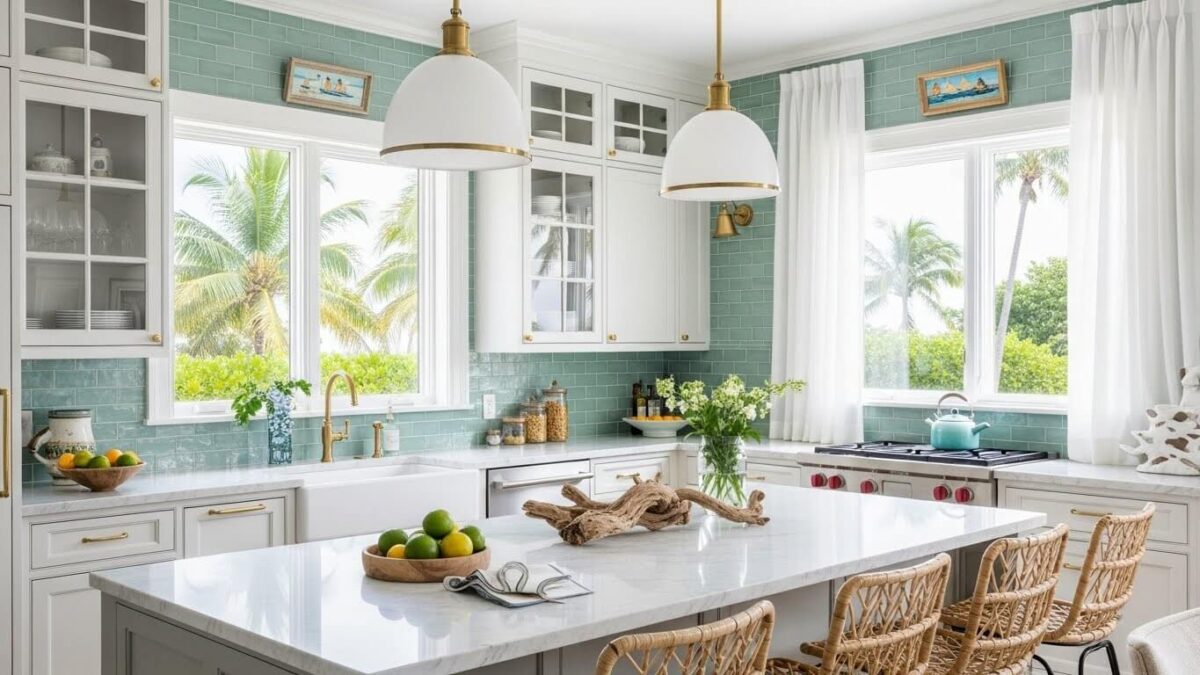
When you want to create a serene atmosphere in your coastal-inspired kitchen, soft color palettes can make all the difference. Light blues, sandy beiges, and gentle whites evoke the soothing essence of the beach.

You might consider painting your cabinets a soft seafoam green or opting for pale gray walls. Accentuate these hues with natural wood elements and light textures, creating a harmonious balance.

Soft pastels can also be integrated through accessories like dishware or curtains. By choosing these calming colors, you’ll transform your kitchen into a tranquil retreat, perfect for relaxing after a long day or entertaining friends.

Nautical Accents That Make a Statement

Soft color palettes set the perfect stage for incorporating nautical accents that make a statement in your coastal-inspired kitchen.

Think bold elements like a ship’s wheel or an oversized anchor as focal points. You can also use marine-themed artwork or decorative ropes to add character.

Consider navy-blue bar stools or light fixtures resembling lanterns to enhance the theme. Incorporating seashell motifs in cabinet hardware or countertops brings a touch of the ocean indoors.

These accents not only create visual interest but also evoke the serene, breezy vibe of coastal living. Embrace these details to transform your kitchen into a nautical haven.

Open Layouts for a Breezy Feel

An open layout effortlessly creates a breezy feel in your coastal-inspired kitchen. By removing unnecessary walls, you invite natural light to flow freely, enhancing that airy vibe you love.

Picture yourself cooking while chatting with family or friends in the adjoining living space, all while enjoying the ocean breeze. An open design not only maximizes space but also fosters a sense of togetherness.

You can incorporate large windows or sliding doors that lead to outdoor areas, further blurring the lines between indoor and outdoor living. Embrace this layout to cultivate a relaxed, inviting atmosphere that embodies coastal charm.

Natural Materials to Bring the Outdoors In

Incorporating natural materials into your coastal-inspired kitchen not only enhances its aesthetic appeal but also creates a seamless connection to the outdoors.

Think about using reclaimed wood for cabinetry or open shelving, which adds warmth and character. Stone countertops provide a rugged touch and evoke the feel of sandy beaches. Bamboo or rattan accents can brighten the space while maintaining a beachy vibe.

Adding terracotta tiles or natural stone flooring brings an earthy element underfoot. Don’t forget to include plants; they’ll bring life into your kitchen and enhance that fresh coastal atmosphere you’re aiming for.

Embrace nature for a serene culinary haven.

Modern Coastal Appliances and Fixtures

Natural materials set the stage for a coastal kitchen, but modern appliances and fixtures amplify that aesthetic while providing functionality.

Choose sleek stainless steel refrigerators and dishwashers that blend seamlessly with your decor. Opt for quartz or marble countertops that mimic the ocean’s hues, enhancing the coastal vibe.

Consider open shelving to showcase decorative glassware or beach-inspired accents. Pendant lights with a nautical touch can illuminate your space beautifully.

Don’t forget smart technology, like touchless faucets, which add convenience and a contemporary flair.

With these elements, you’ll create a kitchen that’s both stylish and practical, perfectly embodying coastal living.

Frequently Asked Questions

What Are the Best Coastal Color Combinations for Kitchens?

For the best coastal color combinations in kitchens, try soft blues with crisp whites, sandy beige paired with seafoam green, or light grays accented by coral tones.

These palettes create a fresh, inviting atmosphere.

How Do I Choose Nautical Decor Without Overdoing It?

To choose nautical decor without overdoing it, focus on a few key pieces, like a ship wheel or anchor art.

Balance these with neutral tones and natural textures to maintain harmony and avoid overwhelming your space.

What Layouts Maximize Space in Small Coastal Kitchens?

To maximize space in small coastal kitchens, opt for an open layout with multifunctional furniture.

Utilize vertical storage and incorporate compact appliances.

Light colors and reflective surfaces can also create an illusion of spaciousness.

Are There Specific Plants That Thrive in Coastal Kitchen Designs?

Yes, you’ll love incorporating herbs like rosemary and thyme, or tropical plants like succulents and ferns.

They thrive in coastal kitchens, adding a revitalizing touch while enhancing the vibrant, breezy atmosphere you’re aiming for.

How Can I Maintain My Coastal Kitchen’s Aesthetic Over Time?

To maintain your coastal kitchen’s aesthetic, regularly clean surfaces, update decor with seasonal accents, and incorporate natural materials.

Keep your color palette fresh by adding pops of blue or sandy tones.

You’ll enjoy a vibrant space!

Conclusion

Embracing coastal-inspired kitchen designs can transform your home into a serene oasis. By incorporating soft color palettes, nautical accents, and open layouts, you’ll create a breezy atmosphere perfect for gatherings. Don’t forget to bring the outdoors in with natural materials, and elevate functionality with modern appliances and fixtures. With these elements, your kitchen will not only reflect Miami’s vibrant coastal lifestyle but also become a space where you can relax and enjoy the beauty of your surroundings.

Categories
Blog

How to Remodel Your Miami Kitchen Without Losing Function for a Single Day

To remodel your Miami kitchen without losing functionality, assess your current layout and create a detailed plan that prioritizes must-haves. Choose reliable contractors and quality materials to guarantee a smooth process. Set up a temporary kitchen space nearby with essential appliances so you can still cook daily. Finally, implement smart storage solutions to maximize space. Follow these steps, and you’ll keep your kitchen functional throughout the remodel while enjoying the process of transformation. More tips await!

Assessing Your Current Kitchen Layout

How well does your current kitchen layout serve your needs? Take a moment to evaluate its functionality.

Are you finding it easy to move between the sink, stove, and fridge? If you’re constantly bumping into things or feeling cramped, it’s time to reassess.

Consider the storage options and whether you have enough counter space for meal prep.

Think about how you use the kitchen daily—do you need room for multiple cooks or entertaining?

Identifying these aspects will help you understand what works and what doesn’t, guiding your decisions for a more efficient and enjoyable kitchen space.

Creating a Detailed Remodeling Plan

Once you’ve assessed your current kitchen layout and identified its strengths and weaknesses, it’s time to create a detailed remodeling plan.

Start by defining your goals—do you want more space, better functionality, or an updated aesthetic? Sketch a rough layout that incorporates your desired changes, keeping traffic flow and work zones in mind.

Next, prioritize your must-haves and nice-to-haves, ensuring you stay within budget. Consider the timeline for each phase of the remodel and how it’ll affect your daily routine.

Having a clear plan not only streamlines the process but also helps you visualize your dream kitchen effectively.

Choosing the Right Contractors and Materials

As you begin your kitchen remodeling journey, selecting the right contractors and materials is vital to achieving your vision.

Start by researching local contractors with solid reputations and positive reviews. Schedule interviews to gauge their expertise and communication style. Don’t hesitate to ask for references or view their past work.

When it comes to materials, prioritize quality over cost. Choose durable options that fit your design aesthetic and lifestyle needs. Visit showrooms or suppliers to see samples in person.

Setting Up a Temporary Kitchen Space

Creating a temporary kitchen space is vital during your remodeling project, especially if your main kitchen will be out of commission for a while.

Start by choosing a location, like a garage or dining room, that’s close to your main living area. Set up essential appliances, such as a microwave, toaster oven, and mini-fridge.

Gather your cookware, utensils, and dishes, organizing them in a way that mimics your normal kitchen flow. Don’t forget to include a coffee maker!

Finally, make certain you have adequate lighting and a clean workspace to make meal prep easier. Enjoy your temporary setup while your kitchen transforms!

Implementing Smart Storage Solutions

While you’re reimagining your kitchen, implementing smart storage solutions can greatly enhance both functionality and aesthetics.

Start by utilizing vertical space; install shelves or cabinets that reach the ceiling. Consider pull-out drawers for pots and pans, making them easily accessible. Use drawer dividers to keep utensils organized and within reach.

Magnetic strips can hold knives and spice jars, freeing up counter space. Don’t forget about corner cabinets; lazy Susans can maximize those tricky areas.

Frequently Asked Questions

How Can I Minimize Dust and Debris During the Remodel?

To minimize dust and debris during your remodel, seal off work areas with plastic sheeting.

Use a vacuum with a HEPA filter, and regularly clean surfaces.

Don’t forget to communicate with your contractors about maintaining cleanliness.

What Permits Do I Need for a Kitchen Remodel in Miami?

You’ll need a building permit for structural changes, electrical permits for wiring updates, and plumbing permits if you’re altering water lines.

Always check with your local Miami authorities to guarantee compliance with all regulations.

How Do I Handle Plumbing Issues During the Renovation?

To handle plumbing issues during your renovation, you should hire a licensed plumber.

They’ll assess the situation, recommend solutions, and guarantee everything complies with local codes, keeping your project running smoothly and efficiently.

What Are the Best Times to Schedule My Remodel?

Schedule your remodel during off-peak seasons, like late fall or winter, when contractors are less busy.

Weekdays can also be better, as they often have more availability and can complete the work efficiently.

Can I Remodel My Kitchen on a Tight Budget?

Yes, you can remodel your kitchen on a tight budget.

Prioritize essential upgrades, shop sales, and consider DIY projects.

Focus on cosmetic changes like paint or hardware to refresh your space without breaking the bank.

Conclusion

Remodeling your Miami kitchen doesn’t have to disrupt your daily routine. By assessing your current layout, creating a solid plan, and choosing the right contractors, you can ensure a smooth process. Don’t forget to set up a temporary kitchen space and incorporate smart storage solutions to keep everything organized. With careful planning and the right approach, you can enjoy a beautifully remodeled kitchen without losing function for even a single day.

Categories
Blog

The Best Moisture-Resistant Paints and Finishes for Miami Bathrooms

When selecting moisture-resistant paints and finishes for your Miami bathroom, opt for products labeled for high humidity, like Benjamin Moore Aura or Sherwin-Williams Duration. Choose satin or semi-gloss finishes for walls, as they repel moisture effectively. For flooring, consider water-resistant vinyl or ceramic tiles. Don’t forget to clean surfaces and use a proper primer for better results. If you want to explore stylish color schemes and application tips, there’s plenty more to discover!

Understanding the Importance of Moisture-Resistant Products

When it comes to painting bathrooms, understanding the importance of moisture-resistant products is essential. You’re dealing with high humidity and frequent water exposure, which can lead to mold, mildew, and peeling paint.

Using moisture-resistant paints helps protect your walls, ensuring they stay fresh and vibrant for longer. These specialized products create a barrier against dampness, reducing the risk of costly repairs down the line.

Additionally, they often come in a variety of finishes and colors, allowing you to maintain your desired aesthetic while ensuring durability.

Ultimately, choosing the right paint can make a significant difference in your bathroom’s longevity and appearance.

Top Paints for Humid Environments

Choosing the right paint for humid environments can greatly impact your bathroom’s durability and appearance.

Look for paints labeled as moisture-resistant or specifically designed for bathrooms. Brands like Benjamin Moore Aura and Sherwin-Williams Duration offer excellent mildew resistance and long-lasting finishes.

Additionally, consider using a satin or semi-gloss finish, as these repel moisture better than flat paints.

Don’t forget to check for low-VOC options to keep your space healthy.

Best Finishes for Bathroom Surfaces

Finding the right paint is just the beginning; selecting the best finishes for your bathroom surfaces can elevate both function and aesthetics.

Consider using satin or semi-gloss finishes for walls, as they provide durability and moisture resistance while being easy to clean. For cabinetry, a high-gloss finish can add a sleek look and withstand humidity.

When it comes to trim and moldings, a semi-gloss finish not only highlights architectural details but also offers protection against moisture.

Finally, don’t overlook your flooring; water-resistant vinyl or ceramic tiles can provide both style and practicality in your bathroom oasis.

Tips for Application and Maintenance

To achieve a professional-looking finish with moisture-resistant paints, preparation is key.

Start by cleaning the surface thoroughly to remove any mold or mildew. After that, apply a primer specifically designed for high-moisture areas—this enhances adhesion and durability.

Use a high-quality brush or roller for even application, and work in sections to maintain a wet edge. Don’t rush; allow adequate drying time between coats.

Once the painting is complete, keep the bathroom well-ventilated to prevent moisture buildup.

Regularly check for any signs of peeling or discoloration, and address issues promptly to maintain your paint’s integrity.

Stylish Color Schemes for Miami Bathrooms

While you might be drawn to classic neutrals, vibrant color schemes can truly elevate your Miami bathroom, creating an inviting oasis that reflects the city’s lively spirit.

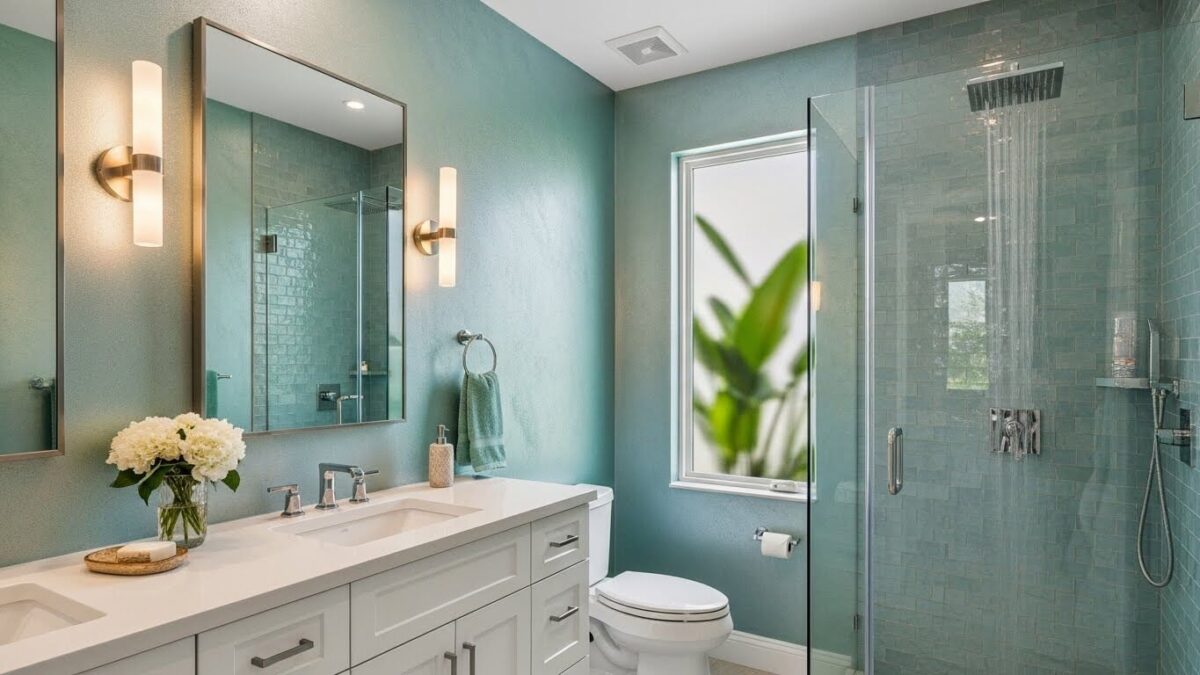
Consider pairing soft aqua with coral accents for a fresh coastal vibe. Alternatively, bold tropical hues like sunny yellows and rich greens can energize the space.

Don’t shy away from mixing patterns—floral tiles or textured wallpapers can make a statement. For a more sophisticated look, try deep navy or charcoal with metallic gold accents.

Whatever palette you choose, make certain it harmonizes with your fixtures and overall decor for a cohesive, stylish finish.

Frequently Asked Questions

How Do I Test Paint for Moisture Resistance?

To test paint for moisture resistance, apply a small amount on a surface, let it dry, then place a damp cloth over it for 24 hours.

Check for any discoloration or peeling afterward.

Can I Use Regular Paint in Humid Bathrooms?

No, you shouldn’t use regular paint in humid bathrooms.

It won’t resist moisture well, leading to peeling and mold.

Instead, opt for moisture-resistant paint designed specifically for high-humidity environments to guarantee durability and longevity.

What Are the Signs of Moisture Damage in Paints?

You’ll notice signs of moisture damage in paint through bubbling, peeling, or flaking surfaces.

Discoloration or mold growth can also appear, indicating that the paint isn’t holding up well against high humidity levels in your environment.

How Long Do Moisture-Resistant Paints Last?

Moisture-resistant paints typically last around five to ten years, depending on the quality and application.

Regular maintenance and proper surface preparation can extend their lifespan, keeping your walls looking fresh and protected against moisture damage.

Are There Eco-Friendly Moisture-Resistant Options Available?

Yes, there are eco-friendly moisture-resistant options available.

Look for paints with low or no volatile organic compounds (VOCs) and sustainable ingredients.

These choices help protect the environment while still providing durability and moisture resistance.

Conclusion

In conclusion, choosing the right moisture-resistant paints and finishes is essential for your Miami bathroom. By selecting top products designed for humid environments, you’ll protect your surfaces while maintaining style. Remember to follow application tips and regular maintenance to keep everything looking fresh. With the right colors and finishes, you can create a beautiful, functional space that stands up to the challenges of Miami’s climate. So, go ahead and transform your bathroom into a moisture-resistant oasis!