Categories
Blog

Basement Remodeling Costs: What’s Included and What’s Not

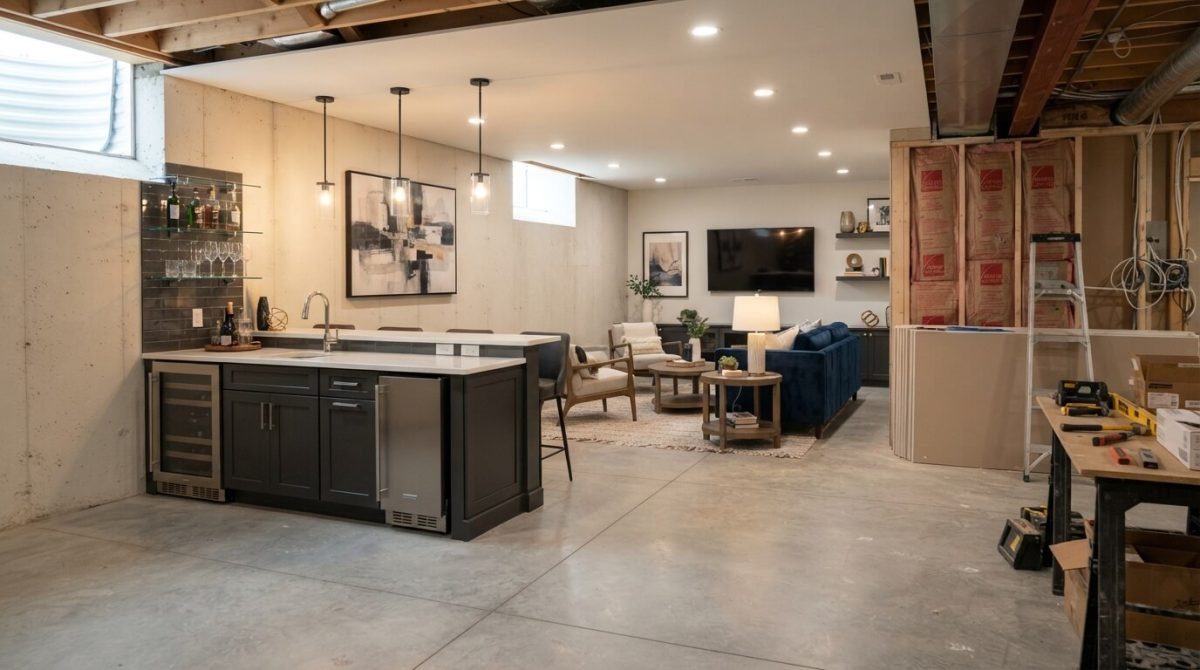
When remodeling your basement, costs typically range from $10,000 to $50,000. Factors influencing your budget include size, design complexity, and material quality. Expect significant expenses for framing, flooring, and any needed electrical or plumbing upgrades. Don’t forget about permits and inspections, which can add to your costs. Plus, set aside 10-20% for hidden expenses like water damage or unexpected repairs. Keep exploring to uncover more about budgeting for your dream basement remodel.

Understanding the Average Costs of Basement Remodeling

When you’re considering a basement remodel, understanding the average costs can help you budget effectively.

Typically, basement remodels can range from $10,000 to $50,000, depending on the extent of work. Basic updates like new flooring and paint might cost less, while full renovations with plumbing and electrical work can climb higher.

You’ll want to factor in materials, labor, and any necessary permits. Remember, unexpected expenses can arise, so it’s wise to set aside an additional 10-20% of your budget.

Knowing these averages will guide you in making informed decisions and ensuring your basement transformation is both beautiful and financially feasible.

Key Factors Influencing Remodeling Costs

Understanding the average costs of basement remodeling is just the starting point; several key factors can greatly influence your overall expenses.

First, the size of your basement plays an essential role—larger spaces typically require more materials and labor.

Second, the complexity of the design affects costs; intricate layouts may need specialized skills.

Third, the quality of materials you choose can drive up expenses, as high-end finishes are more expensive.

Finally, local labor rates vary, impacting your budget.

Breakdown of Typical Expenses

As you embark on your basement remodeling project, it’s essential to break down the typical expenses you’ll encounter.

First, consider framing and drywall, which often takes a significant portion of your budget.

Next, think about flooring options, whether you choose carpet, tile, or laminate.

Don’t forget about electrical and plumbing upgrades, which can add functionality and value.

Additionally, include costs for insulation and ventilation to maintain comfort.

Finally, factor in permits and inspections, as local regulations may apply.

Hidden Costs to Consider

While you’ve mapped out the typical expenses for your basement remodel, don’t overlook the hidden costs that can sneak up on you.

Issues like water damage or mold may require costly remediation, which can derail your budget. Additionally, unexpected electrical or plumbing upgrades might be necessary to meet code requirements.

Don’t forget about the costs of permits and inspections, which can add up quickly.

Finally, consider the expenses for furnishings and decor that you mightn’t have initially included.

Budgeting for Additional Features and Permits

When planning your basement remodel, it’s essential to budget not just for the basics but also for additional features and permits that can enhance your space.

Think about features like a wet bar, extra storage, or even a home theater system, which can greatly boost your enjoyment and the value of your home.

Don’t forget about permits; depending on your area, you might need them for electrical, plumbing, or structural changes.

Set aside at least 10-20% of your budget for these extras, ensuring you won’t be caught off guard by unexpected costs as the project progresses.

Frequently Asked Questions

How Long Does a Typical Basement Remodel Take?

A typical basement remodel takes about four to eight weeks, depending on the complexity and size of the project.

You’ll want to account for design, permits, and any unexpected delays that might arise.

Can I DIY Part of the Remodeling Process?

Yes, you can DIY part of the remodeling process!

Tackling tasks like painting or installing flooring can save money and give you a sense of accomplishment, but don’t hesitate to hire professionals for complex jobs.

What Financing Options Are Available for Basement Remodeling?

You’ve got several financing options for basement remodeling.

Consider personal loans, home equity lines of credit, or credit cards.

Each option has pros and cons, so weigh them carefully to find what suits you best.

Do I Need a Permit for All Basement Renovations?

You often need a permit for basement renovations, especially if you’re making structural changes, adding electrical work, or installing plumbing.

It’s best to check with your local building department to guarantee you’re following regulations.

How Can I Increase My Basement’s Resale Value?

To increase your basement’s resale value, focus on quality finishes.

Add functional spaces like a bedroom or bathroom.

Guarantee proper lighting, and enhance storage options.

These improvements attract buyers and boost your home’s overall appeal.

Conclusion

In conclusion, basement remodeling can be a rewarding investment, but it’s essential to understand the costs involved. By considering the average expenses, key factors, and potential hidden costs, you can budget more effectively. Don’t forget to account for any additional features or permits that may arise during the process. With careful planning, you’ll create a functional and stylish space that enhances your home’s value and livability. Start your project informed and ready to transform your basement!
Categories
Blog

Basement Lighting Ideas That Don’t Make It Feel Like a Cave

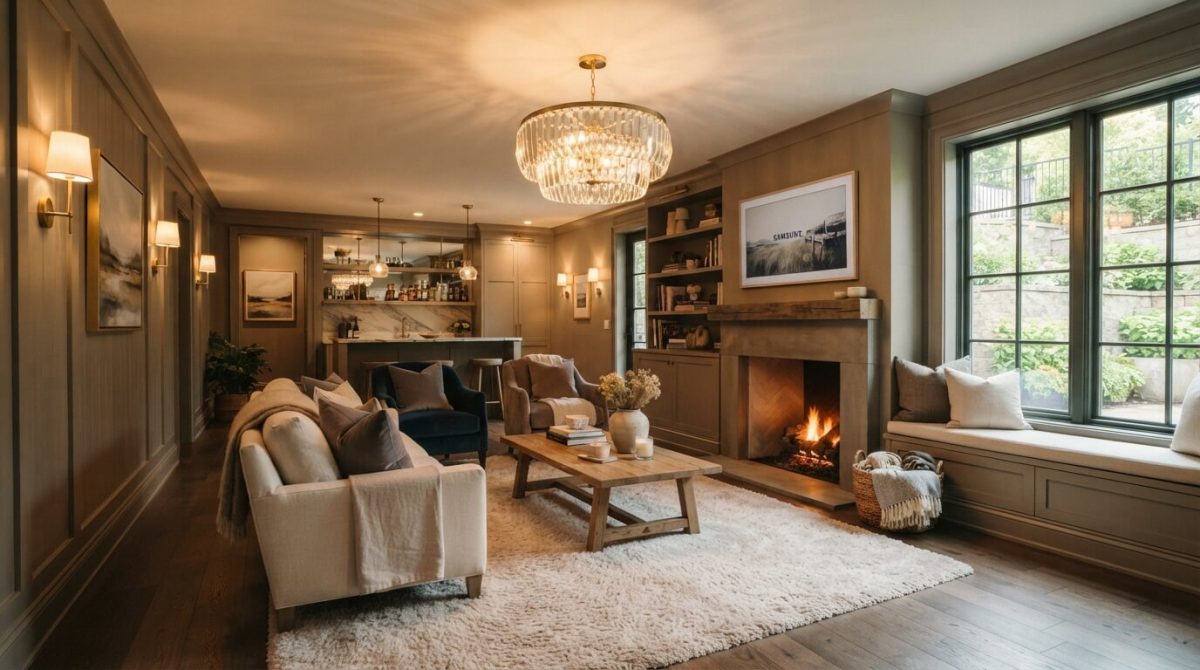
To brighten up your basement and avoid that cave-like feel, start with egress windows for natural light and safety. Layer ambient, task, and accent lighting to create warmth and depth. Choose decorative fixtures as art pieces to spark conversation and personalize the space. Smart lighting options help you adjust brightness and set the mood easily. Finally, incorporate mirrors to amplify light and make the area feel more open. Discover more transformative ideas for your basement.

Embrace Natural Light With Egress Windows

When you want to brighten up your basement, consider installing egress windows, as they not only provide natural light but also enhance safety.

These windows allow sunlight to pour in, transforming a dark, cramped space into a welcoming area. You’ll find that they create a more open feel, making your basement perfect for relaxation or entertaining.

Additionally, egress windows meet building codes, ensuring your family’s safety in case of emergencies.

When choosing the right size and style, think about your basement layout and aesthetic.

With egress windows, you’ll enjoy the benefits of both illumination and peace of mind.

Layered Lighting for Depth and Warmth

While egress windows bring in natural light, adding layered lighting can further enhance the ambiance of your basement.

Start with ambient lighting to set a warm tone. Consider recessed lights or ceiling fixtures to provide overall illumination.

Next, incorporate task lighting, like desk lamps or sconces, to brighten specific areas where activities occur.

Finally, add accent lighting to showcase artwork or architectural features.

This combination creates depth and warmth, making your basement feel inviting and cozy.

Decorative Fixtures That Double as Art

Incorporating decorative fixtures that double as art can instantly elevate your basement’s aesthetic.

Think about unique pendant lights or sculptural floor lamps that serve as conversation starters. A striking chandelier can add elegance, while a bold wall sconce can create visual interest.

Choose pieces that reflect your style, whether it’s modern, rustic, or eclectic. You might even consider a colorful statement piece to draw the eye and brighten the space.

Don’t forget to balance functionality with creativity—these fixtures should provide adequate illumination while enhancing the overall ambiance.

Let your lighting choices express your personality and transform your basement into a chic retreat.

Smart Lighting Solutions for Flexibility

After selecting artistic fixtures to enhance your basement’s style, consider how smart lighting solutions can add versatility to your space.

Smart bulbs and dimmers let you customize brightness levels depending on your activities, whether you’re hosting a party or enjoying a movie night. Voice-controlled systems offer convenience, allowing you to adjust lighting without getting up.

Additionally, app-controlled lights can create schedules or scenes, transforming the atmosphere on demand. With color-changing options, you can set the mood for any occasion.

Embrace smart technology to guarantee your basement lighting adapts to your needs, making it a welcoming retreat for everyone.

Use Mirrors to Enhance Brightness and Space

To transform your basement into a brighter and more spacious area, strategically placing mirrors can make a significant difference.

Positioning mirrors across from windows or light sources amplifies natural light, creating an illusion of openness. Use larger mirrors to reflect light and views, while smaller ones can add interest and depth to your decor.

Don’t shy away from experimenting with different shapes and styles; they can enhance your basement’s aesthetic appeal. Additionally, consider using mirrored furniture or accents to further brighten the space.

With these simple changes, you’ll find your basement feels more inviting and less cave-like.

Frequently Asked Questions

What Are the Best Paint Colors for a Bright Basement?

For a bright basement, consider soft whites, light grays, or pale pastels.

These colors reflect light, making your space feel airy and open.

Avoid dark shades; they can absorb light and make the room feel smaller.

How Can I Minimize Shadows in My Basement Lighting?

To minimize shadows in your basement lighting, use multiple light sources at different heights.

Opt for soft white bulbs, and incorporate reflective surfaces.

This way, you’ll create a well-lit, inviting atmosphere without harsh contrasts.

Are There Energy-Efficient Lighting Options for Basements?

Yes, you’ve got energy-efficient options for your basement.

Consider LED lights, which use less electricity and last longer.

Compact fluorescent bulbs also save energy while providing ample light, making your space more inviting and cost-effective.

What Types of Bulbs Are Best for Basement Lighting?

For basement lighting, LED bulbs are your best option.

They’re energy-efficient, long-lasting, and come in various color temperatures to create the right atmosphere.

Consider using dimmable options for added flexibility in brightness levels.

How Can I Create a Cozy Atmosphere in a Basement?

You can create a cozy atmosphere in your basement by using warm-toned lights, adding soft textiles like rugs and cushions, incorporating plants, and utilizing layered lighting to enhance the space’s warmth and inviting feel.

Conclusion

By implementing these basement lighting ideas, you can transform your space from a dark cave into a welcoming retreat. Embrace natural light with egress windows, create depth with layered lighting, and choose decorative fixtures that add artistic flair. Don’t forget smart lighting solutions for versatility and mirrors to boost brightness and the feeling of spaciousness. With these tips, you’ll enjoy a cozy, vibrant basement that invites you to relax and entertain.

Categories
Blog

Choosing the Right Paint Finishes for Different Rooms in Your Home

Choosing the right paint finishes for your home can make a big difference. For living rooms, opt for eggshell or satin finishes for a cozy feel. In kitchens, go with satin or semi-gloss for durability and easy cleaning. Bedrooms can benefit from matte or eggshell finishes, while bathrooms require satin or semi-gloss due to moisture resistance. Hallways and trim work shine with satin or semi-gloss to highlight details. Want to know more about specific finishes?

Understanding Paint Finishes: A Quick Overview

When it comes to choosing paint finishes, understanding the options can make all the difference in your space’s look and feel.

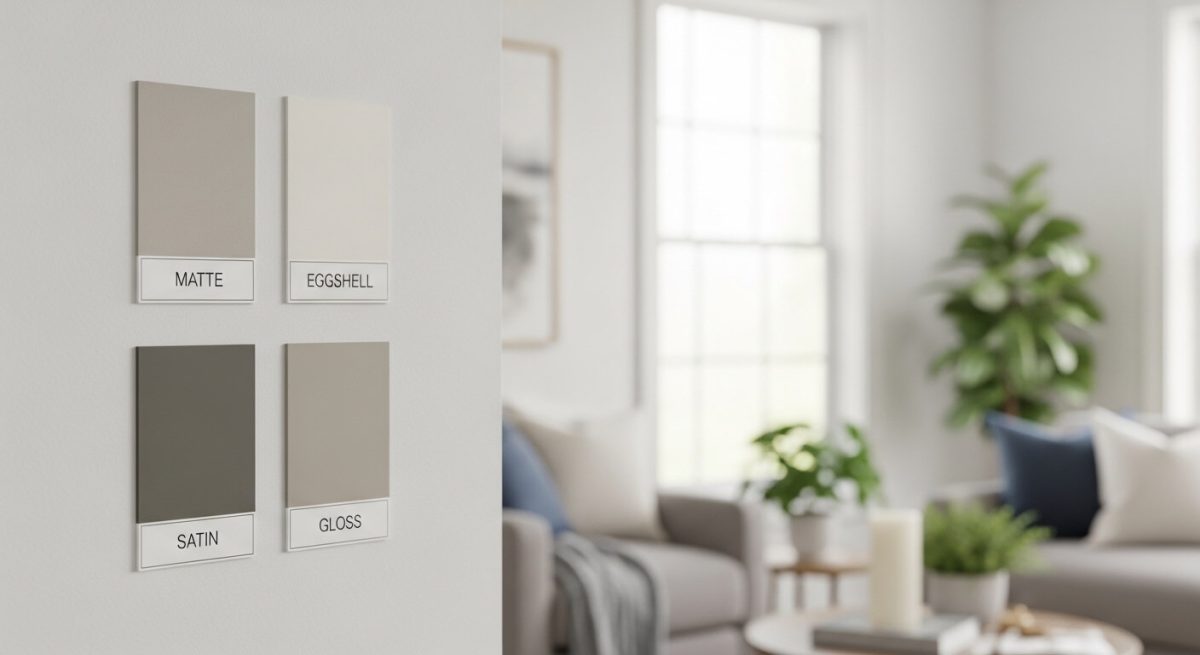
You’ll encounter several types, like matte, eggshell, satin, semi-gloss, and gloss.

Matte finishes hide imperfections and create a cozy atmosphere, while eggshell offers a slight sheen, perfect for low-traffic areas.

Satin finishes are durable and easy to clean, making them great for high-use spaces.

Semi-gloss adds shine and is ideal for trim and moldings, whereas gloss provides a shiny, reflective surface, suitable for a bold statement.

Each finish serves a unique purpose, so choose wisely to enhance your home’s aesthetics.

Best Paint Finishes for Living Rooms

Choosing the right paint finish for your living room can greatly impact its overall vibe.

For a cozy, inviting atmosphere, consider using eggshell or satin finishes. These options provide a soft sheen that reflects light without being too shiny, making your space feel warm and welcoming.

If you’re looking to create a more modern, sophisticated look, a matte finish can work well, offering a smooth, elegant appearance. Just keep in mind that matte finishes can be less durable, so touch-ups might be necessary.

Ultimately, choose a finish that complements your style and the mood you want to create in your living room.

Ideal Paint Finishes for Kitchens and Dining Areas

Since kitchens and dining areas are often high-traffic spaces prone to spills and splatters, selecting the right paint finish is essential.

Opt for a satin or semi-gloss finish, as these are durable and easy to clean. They resist moisture and stains better than flat finishes, making them ideal for wiping down after meals.

You might also consider using washable paint, allowing you to maintain a fresh look without frequent touch-ups.

For an inviting atmosphere, choose warm colors that complement your décor while ensuring your walls can handle the hustle and bustle of daily life in these lively areas.

Choosing Paint Finishes for Bedrooms and Bathrooms

While you mightn’t think of paint finishes as essential in bedrooms and bathrooms, they play a significant role in both aesthetics and functionality.

For bedrooms, consider using a matte or eggshell finish. These options create a cozy atmosphere while minimizing wall imperfections.

In bathrooms, however, you need something more durable. Satin or semi-gloss finishes resist moisture and mold, making them ideal for high-humidity areas.

Choose colors that promote relaxation in bedrooms and brighter tones in bathrooms to energize the space.

Ultimately, the right finish enhances your room’s beauty and longevity, ensuring you enjoy your personal sanctuary and practical spaces.

Specialty Finishes for Hallways and Trim Work

Hallways and trim work often get overlooked, but they deserve special attention when it comes to paint finishes.

For hallways, consider using a satin or eggshell finish; these options are durable and easy to clean, perfect for high-traffic areas. You might also want to choose a bold color to create an inviting atmosphere.

When it comes to trim work, a semi-gloss finish works wonders, as it highlights architectural details and withstands wear.

Don’t shy away from contrasting colors; they can make your trim pop and add character.

With the right finishes, your hallways and trim can truly shine.

Frequently Asked Questions

How Do Paint Finishes Affect Room Lighting and Ambiance?

Paint finishes reflect light differently, affecting room lighting and ambiance.

Glossy finishes amplify brightness, while matte absorbs light, creating warmth.

Can I Mix Different Paint Finishes in One Room?

Yes, you can mix different paint finishes in one room.

Just consider the overall look and feel you want to achieve.

Combining finishes adds depth and interest, but balance is key to avoid a chaotic appearance.

What Tools Are Best for Applying Different Paint Finishes?

You’ll want a high-quality paintbrush for detailed work, a roller for larger areas, and painter’s tape for clean edges.

A paint sprayer can also help achieve smooth finishes, especially on larger surfaces.

How Do I Maintain Painted Surfaces With Various Finishes?

To maintain painted surfaces, regularly dust and wipe them with a damp cloth.

For glossy finishes, use mild soap; for matte, avoid harsh cleaners.

Touch up scuffs promptly to keep walls looking fresh and vibrant.

Are There Eco-Friendly Paint Finish Options Available?

Yes, there are eco-friendly paint finish options available.

Look for low-VOC or zero-VOC paints, natural finishes, and water-based products.

These options reduce harmful emissions while providing beautiful, durable finishes for your home.

Conclusion

Choosing the right paint finishes can transform your home and enhance each room’s function and style. By understanding the unique needs of your living spaces, you can select finishes that not only look great but also stand up to daily wear and tear. Whether you opt for a cozy matte in your bedroom or a durable satin in the kitchen, the right finish makes all the difference in creating a beautiful and inviting atmosphere throughout your home.

Categories
Blog

How to Set Realistic Renovation Goals for Your Yonkers Home

To set realistic renovation goals for your Yonkers home, start by evaluating your current space and identifying your needs. Establish a budget that covers materials and labor, factoring in unexpected costs. Prioritize projects that enhance safety and functionality while considering their return on investment. Create a manageable timeline for each task, and be flexible to adapt as needed. Finally, find reliable professionals to help bring your vision to life. Discover more tips for a successful renovation journey!

Assessing Your Current Space and Needs

Before diving into your renovation project, it’s essential to assess your current space and needs.

Start by evaluating each room’s functionality and flow. Identify what’s working and what isn’t. Take note of any structural issues or design flaws that need attention.

Consider your lifestyle—do you need more storage, an open layout, or additional rooms? Make a list of your must-haves versus nice-to-haves.

Don’t forget to think about your family’s future needs, too. By clearly understanding your space and priorities, you’ll lay a solid foundation for setting realistic renovation goals that truly enhance your home.

Establishing a Budget for Your Renovation

Once you’ve assessed your space and identified your needs, it’s time to establish a budget for your renovation.

Start by determining how much you can realistically afford to spend. Consider your savings, potential financing options, and any unexpected costs that might arise.

Break down your budget into categories, such as materials, labor, and permits. It’s wise to allocate a contingency fund of about 10-20% for surprises.

Research local prices for materials and labor to get a clearer picture.

Prioritizing Your Renovation Goals

How do you decide which renovation goals matter most? Start by evaluating your home’s current condition. Identify the areas needing immediate attention, like plumbing or electrical issues.

Next, consider your lifestyle and future needs—do you plan to expand your family or work from home? Prioritize renovations that enhance safety, functionality, and comfort.

Think about your budget, too; some projects may offer a better return on investment than others.

Finally, involve family members in the decision-making process to guarantee everyone’s needs are considered.

Creating a Realistic Timeline

After prioritizing your renovation goals, it’s time to create a realistic timeline for your projects.

Start by breaking down each goal into smaller tasks, and estimate how long each task will take. Be sure to account for potential delays, like permit approvals or supply shortages.

It’s smart to add a buffer to your timeline to avoid stress. Consider your lifestyle and schedule; if you’re living in the home during renovations, plan for times when noise and disruption will be minimal.

Finally, keep your timeline flexible—you may need to adjust as the project progresses, ensuring you stay on track.

Finding the Right Professionals for Your Project

Finding the right professionals for your renovation project can feel overwhelming, especially when you want everything to go smoothly. Start by asking friends or family for recommendations; personal experiences can guide you.

Next, research online reviews to gauge reliability and quality. When you have a shortlist, interview candidates to discuss your vision and gauge their expertise.

Don’t forget to check licenses and insurance to protect yourself. Finally, get detailed quotes and compare them.

Frequently Asked Questions

What Permits Are Required for Home Renovations in Yonkers?

You’ll need to obtain permits for various renovations in Yonkers, including building, plumbing, electrical, and mechanical work.

Check with the Yonkers Department of Buildings to verify you have everything required before starting your project.

How Can I Increase My Home’s Value Through Renovations?

You can increase your home’s value by focusing on kitchen and bathroom upgrades, enhancing curb appeal with landscaping, and adding energy-efficient features.

Prioritize quality materials and professional workmanship for the best return on investment.

What Are Common Mistakes to Avoid During Renovations?

You should avoid underestimating costs, skipping permits, and neglecting planning.

Don’t rush decisions or overlook quality materials.

Stay flexible, communicate with contractors, and always prioritize your home’s structural integrity to prevent future headaches.

How Do I Handle Unexpected Issues During a Renovation?

When unexpected issues arise during your renovation, stay calm.

Assess the problem, consult your contractor, and adjust your budget and timeline if necessary.

Prioritize solutions that keep the project moving forward without sacrificing quality.

Can I Live in My Home During the Renovation Process?

Yes, you can live in your home during renovations, but it may be challenging.

You’ll need to prepare for noise, dust, and limited access to certain areas.

Consider setting up a temporary living space for comfort.

Conclusion

Setting realistic renovation goals for your Yonkers home can make all the difference in achieving your dream space. By assessing your needs, establishing a budget, prioritizing tasks, and creating a timeline, you’ll stay focused and organized throughout the process. Don’t forget to find the right professionals to help bring your vision to life. With these steps, you’ll not only transform your home but also enjoy the journey along the way. Happy renovating!

Categories
Blog

Home Remodeling ROI: Which Projects Pay Off Most in Yonkers, NY

In Yonkers, NY, remodeling your home can pay off big time. Kitchen remodels and bathroom upgrades can boost your property’s appeal and function. Enhancing curb appeal makes a great first impression, while energy-efficient improvements save money on bills. Don’t overlook finished basements—they add valuable living space and can transform your home’s worth. Each project contributes to a smart investment, and there’s plenty more to explore about which upgrades work best for your home.

Kitchen Remodels: The Heart of the Home

When you think about the heart of your home, the kitchen often comes to mind.

It’s where you gather with family, whip up meals, and entertain friends. A kitchen remodel can elevate both functionality and aesthetics, making it a smart investment.

Consider updating countertops, cabinets, and appliances for a fresh look. Open layouts create a welcoming atmosphere, inviting connection and conversation.

Don’t forget about lighting—bright, adjustable options can transform the space.

Bathroom Upgrades: A Spa-Like Retreat

Transforming your bathroom into a spa-like retreat can elevate your daily routine and increase your home’s value.

Start by replacing old fixtures with modern, water-efficient options. Consider adding a soaking tub or a spacious walk-in shower featuring multiple showerheads. Incorporate calming colors and soft lighting to create a tranquil atmosphere.

Don’t forget about storage; stylish cabinetry can keep your space organized and clutter-free. Adding luxurious touches like heated floors or a towel warmer can enhance comfort.

Finally, consider smart technology, like digital thermostats, to elevate your experience, making your bathroom a true sanctuary in your home.

Curb Appeal Enhancements: First Impressions Matter

Curb appeal plays an essential role in how your home is perceived, as it’s the first thing potential buyers or guests notice.

You want your home to make a positive impression, so consider enhancing landscaping, painting the front door, or updating outdoor lighting.

Simple tasks like mowing the lawn and planting colorful flowers can create an inviting atmosphere.

Don’t underestimate the power of a clean walkway and fresh house numbers.

These improvements can markedly boost your home’s value and attract interest.

Energy-Efficient Improvements: Saving Money and the Planet

Energy-efficient improvements not only reduce your utility bills but also contribute positively to the environment.

By upgrading your insulation, windows, and appliances, you’ll use less energy while maintaining comfort in your home.

Consider installing Energy Star-rated appliances or solar panels; they can greatly lower your monthly expenses and increase your home’s value.

Plus, these upgrades often qualify for tax credits or rebates, making them even more appealing.

You’ll be doing your part to combat climate change while enjoying the financial benefits.

In the long run, investing in energy efficiency pays off, making your home both eco-friendly and cost-effective.

Finished Basements: Expanding Living Space and Value

If you’re looking to maximize your home’s potential, finishing your basement can be a smart choice.

This project not only expands your living space but also increases your home’s value considerably. You can transform that unused area into a cozy family room, home office, or guest suite, tailored to your needs.

Potential buyers often see finished basements as a major selling point, which can enhance your ROI. Plus, it’s an opportunity to incorporate energy-efficient features, further boosting appeal.

Frequently Asked Questions

What Financing Options Are Available for Home Remodeling Projects in Yonkers?

You’ve got several financing options for your home remodeling project in Yonkers.

Consider personal loans, home equity loans, or lines of credit.

Government programs and credit cards could also help fund your renovation efforts effectively.

How Long Does a Typical Home Remodeling Project Take to Complete?

A typical home remodeling project usually takes anywhere from a few weeks to several months, depending on the scope.

You’ll want to plan for delays due to weather, permits, or unexpected issues that may arise.

What Permits Are Required for Home Renovations in Yonkers?

You’ll need various permits for home renovations in Yonkers, including building permits, electrical permits, and plumbing permits.

It’s best to check with the city’s Department of Buildings for specific requirements before starting your project.

How Can I Choose the Right Contractor for My Remodeling Project?

To choose the right contractor, research their credentials, read reviews, and ask for references.

Get multiple quotes, discuss timelines, and verify they’re licensed and insured.

Trust your instincts, and select someone you feel comfortable with.

What Are the Common Mistakes to Avoid During Home Remodeling?

Avoid common mistakes by creating a clear budget, overestimating timelines, neglecting permits, and skipping detailed plans.

Don’t underestimate the importance of communication with your contractor and always prioritize quality over cost to guarantee lasting results.

Conclusion

When planning your home remodeling projects in Yonkers, focus on those that offer the best return on investment. Kitchen remodels, bathroom upgrades, curb appeal enhancements, energy-efficient improvements, and finished basements can significantly boost your home’s value. By choosing wisely, you not only create a more enjoyable living space but also set yourself up for a profitable future if you decide to sell. So, dive into your remodeling journey with confidence and maximize your investment!

Categories
Blog

Seasonal Remodeling Guide: Best Times to Hire a Home Contractor in Yonkers, NY

In Yonkers, NY, the best times to hire a home contractor vary by season. Spring is perfect for major renovations due to mild weather. Summer offers longer days and flexible contractor schedules, making it a great time for outdoor projects. Fall is ideal for preparing indoor renovations while the weather’s still nice. During winter, focus on planning for spring improvements. Knowing these seasonal trends can help you make informed decisions for your home projects ahead. Discover more insights below!

Understanding the Seasons in Yonkers, NY

Have you ever wondered how the changing seasons in Yonkers, NY, can impact your home remodeling plans? Each season brings unique weather conditions that affect your projects.

Winter’s cold and snow might delay outdoor work, while summer’s heat can create scheduling challenges. Fall offers cooler temperatures, making it a great time for exterior projects.

Spring brings rain, which can be tricky for certain renovations. Understanding these seasonal shifts helps you plan effectively and choose the right time for your projects.

Spring: The Ideal Time for Major Renovations

As the chill of winter fades and flowers begin to bloom, spring emerges as the perfect season for major renovations in Yonkers, NY.

The mild temperatures and longer days provide ideal conditions for contractors to work efficiently. You’ll find it easier to manage logistics and avoid weather-related delays.

Plus, spring often brings a surge of energy and motivation, making it an inspiring time to transform your space.

Whether you’re updating your kitchen or adding a deck, scheduling your renovations now guarantees your home is ready for summer gatherings.

Don’t hesitate—spring’s here, and it’s time to get started!

Summer: Taking Advantage of Longer Days

With the sun shining brightly and days stretching into the evening, summer in Yonkers is an excellent time to tackle home remodeling projects.

You can take advantage of the longer daylight hours to maximize productivity. Whether you’re updating your kitchen, revitalizing your landscaping, or adding a deck, the warm weather makes outdoor work more enjoyable.

Plus, many contractors have more flexible schedules during this season, allowing you to secure the best talent for your project.

Don’t forget to prepare for heat by scheduling work during cooler parts of the day. Summer’s energy can transform your home into a brighter, more inviting space.

Fall: Preparing for Winter Projects

When the leaves start to change color and the air turns crisp, it’s time to shift your focus to preparing for winter remodeling projects in Yonkers.

This season’s ideal for tackling indoor renovations while the weather’s still mild. Consider updating your insulation, sealing drafts, or renovating spaces like kitchens and bathrooms.

Create a detailed plan and budget to guarantee you’re ready when the first snowfall hits. Research local contractors now; they’re less busy in fall, which means better availability and potential cost savings.

Winter: Planning Ahead for Spring Improvements

While winter may seem like a time for hibernation, it’s actually the perfect opportunity to plan your spring remodeling projects in Yonkers.

Use this season to research contractors, gather design ideas, and create a budget. Start by identifying which areas of your home need improvement, whether it’s a kitchen upgrade or a bathroom remodel.

Consider energy-efficient options to save on utility bills. Reach out to local contractors for quotes and timelines.

Frequently Asked Questions

How Do I Choose the Right Contractor for My Project?

To choose the right contractor, research local options, read reviews, check credentials, and ask for references.

Interview multiple candidates, discuss your project, and verify they’re licensed and insured before making your final decision.

What Are Common Pitfalls to Avoid During Remodeling?

To avoid common pitfalls during remodeling, you should set a realistic budget, communicate clearly with your contractor, and guarantee you’ve got proper permits.

Don’t rush decisions; take your time to plan effectively.

How Can I Budget Effectively for Home Renovations?

To budget effectively for home renovations, start by determining your total budget.

Prioritize projects, research costs, and set aside a contingency fund.

Track expenses closely to avoid overspending and guarantee your vision stays within financial limits.

Are Permits Required for All Types of Remodeling?

Yes, permits are required for most remodeling projects, especially structural changes, electrical work, or plumbing modifications.

Always check local regulations to guarantee compliance, as failing to obtain permits can lead to fines or complications.

What Should I Do if My Renovation Goes Over Schedule?

If your renovation goes over schedule, communicate openly with your contractor.

Reassess timelines, adjust expectations, and guarantee you understand the reasons for delays.

Staying proactive can help you manage stress and find solutions together.

Conclusion

No matter the season, timing your home renovations in Yonkers can make a big difference. Spring’s warmth is perfect for major projects, while summer’s long days let you tackle outdoor tasks. Fall helps you prepare for winter, ensuring your home stays cozy. And don’t forget winter; it’s the perfect time to plan for spring improvements. By aligning your projects with the seasons, you’ll enjoy a smoother renovation process and a more comfortable home year-round.

Categories
Blog

Custom Home Builds in Yonkers, NY: Why Hiring a Local General Contractor Matters

When you’re planning a custom home build in Yonkers, hiring a local general contractor is essential. They know the local building codes and regulations, ensuring your project is safe and compliant. Their familiarity with Yonkers’ architectural styles helps create a home that fits the neighborhood. Plus, established relationships with local suppliers mean better materials and prices. With enhanced communication and project management, your vision can easily become a reality. There’s more to explore about this important choice.

Understanding Local Building Codes and Regulations

When you’re planning a custom home build in Yonkers, NY, it’s vital to understand the local building codes and regulations that govern construction in the area.

These codes guarantee your home is safe, energy-efficient, and compliant with zoning laws. Familiarize yourself with setback requirements, height restrictions, and permits needed for various projects.

Since regulations can change, staying updated is important. Hiring a local general contractor can help you navigate these complexities, making sure you meet all necessary criteria.

Knowledge of Yonkers’ Architectural Styles

Understanding Yonkers’ architectural styles is essential for anyone looking to build a custom home in the area.

You’ll find a rich blend of Colonial, Victorian, and contemporary designs that reflect the city’s history and culture. Familiarity with these styles helps you make informed choices about aesthetics and functionality.

Local general contractors have experience maneuvering through these unique architectural elements, ensuring your home complements the neighborhood. They’ll guide you in selecting appropriate materials and features, allowing your new home to stand out while fitting seamlessly into Yonkers’ landscape.

Embracing this knowledge is key to creating the perfect custom home tailored to your vision.

Established Relationships With Local Suppliers and Subcontractors

Having a solid grasp of Yonkers’ architectural styles not only helps in design decisions but also influences your choice of suppliers and subcontractors.

When you hire a local general contractor, you’re tapping into their established relationships with trusted suppliers, ensuring quality materials at competitive prices. These connections streamline your project, reducing delays and miscommunications.

Local subcontractors are often familiar with Yonkers’ building codes and regulations, making the entire process smoother. With these established relationships, you can trust that your contractor will bring in the best talent and resources, ultimately leading to a successful custom home build tailored to your vision.

Familiarity With the Community and Neighborhoods

Because you’re building a custom home in Yonkers, familiarity with the community and its neighborhoods can greatly enhance your project.

A local general contractor knows the area’s unique characteristics, from zoning laws to architectural styles, ensuring your home fits seamlessly into its surroundings. They can guide you in choosing the right neighborhood that aligns with your lifestyle, whether you prefer a bustling urban vibe or a quieter suburban setting.

Their understanding of local amenities, schools, and services allows you to make informed decisions, adding value to your investment. Ultimately, this local insight helps create a home that truly reflects your vision.

Enhanced Communication and Project Management

Effective communication and project management are essential when it comes to custom home builds in Yonkers, NY.

When you hire a local general contractor, you benefit from their ability to streamline communication between all parties involved. They’ll keep everyone informed, ensuring you’re always in the loop about progress and any potential issues. This transparency helps you make timely decisions and adjustments with ease.

Additionally, a local contractor understands the unique challenges of your area, allowing for better project management tailored to your specific needs. With enhanced communication, you can enjoy a smoother building process and a home that reflects your vision.

Frequently Asked Questions

What Is the Average Timeline for a Custom Home Build in Yonkers?

The average timeline for a custom home build in Yonkers is about 8 to 12 months.

You’ll need to contemplate factors like design complexity, permits, and weather that can affect your project’s schedule.

How Do Local Contractors Handle Permits and Inspections?

Local contractors navigate permits and inspections efficiently.

They’re familiar with local regulations, ensuring you meet all requirements.

Their established relationships with authorities streamline the process, so you won’t face unnecessary delays or complications during your build.

Are There Financing Options Available for Custom Home Builds?

Yes, there are financing options available for custom home builds.

You can explore construction loans, personal loans, or even specialized programs from local banks.

It’s wise to compare rates and terms to find the best fit.

What Types of Warranties Do General Contractors Typically Offer?

General contractors typically offer warranties on workmanship, materials, and structural integrity.

You’ll often find one to two-year coverage for workmanship and longer warranties for major systems like roofing and plumbing, ensuring your investment is protected.

How Can I Assess a Contractor’s Previous Work?

To assess a contractor’s previous work, review their portfolio, ask for references, and visit completed projects.

Pay attention to quality, craftsmanship, and client satisfaction.

Trust your instincts when evaluating their overall professionalism and communication.

Conclusion

In summary, hiring a local general contractor for your custom home build in Yonkers really makes a difference. They understand the local building codes, architectural styles, and have established relationships with suppliers and subcontractors. Plus, their familiarity with the community ensures your project aligns with neighborhood aesthetics. By choosing a local expert, you’ll benefit from enhanced communication and efficient project management, ultimately making your dream home a reality. Don’t underestimate the value a local contractor brings!

Categories
Blog

How Miami’s Aging Housing Stock Impacts Renovation Costs (And How to Prepare)

Miami’s aging housing stock can considerably inflate renovation costs due to outdated systems and structural issues. You’ll need to budget for potential upgrades and hidden problems, like outdated wiring or plumbing. It’s essential to familiarize yourself with local building codes to avoid costly delays. Always set aside extra funds for unexpected expenses—aim for 10-20% of your budget. By planning carefully and communicating with your contractors, you can navigate these challenges and keep your project on track. Discover more insights for a successful renovation.

Understanding Miami’s Aging Housing Stock

Miami’s housing landscape tells a story of resilience and evolution, but many structures are showing their age.

You might notice that older homes often lack modern amenities and energy efficiency, which can affect your comfort and utility bills.

Additionally, the unique coastal climate has taken its toll on many buildings, causing wear and tear that isn’t always visible at first glance.

As you consider renovations, it’s essential to assess not just the aesthetic aspects but also the structural integrity.

Understanding the condition of your home will help you make informed decisions, ensuring your investment is both wise and lasting.

Key Factors Driving Renovation Costs

When considering renovations, several key factors can greatly impact your costs. First, the age and condition of your property play a huge role; outdated systems often need upgrades, adding to expenses.

Second, the scope of your project directly influences your budget—more extensive changes mean higher costs.

Labor rates in Miami can also vary, so getting multiple quotes is wise.

Ultimately, material quality affects your bottom line; opting for high-end finishes will increase your expenditure.

Navigating Building Codes and Regulations

How well do you understand the building codes and regulations that apply to your renovation project? Familiarizing yourself with Miami’s specific codes is essential.

These regulations guarantee safety and compliance, impacting your project timeline and costs. Start by checking with your local building department to gather necessary permits and guidelines.

Be aware of zoning laws that may affect your plans. Consult professionals, like architects or contractors, who’ve experience maneuvering these codes.

Staying informed helps you avoid costly delays and fines. Ultimately, understanding these regulations empowers you to make informed decisions throughout your renovation journey.

Budgeting for Unexpected Expenses

While planning your renovation budget, it’s essential to set aside funds for unexpected expenses that may arise during the project.

Older homes often hide issues like outdated wiring, plumbing problems, or structural damage, which can increase your costs considerably.

It’s wise to allocate about 10-20% of your total budget specifically for these unforeseen circumstances. This way, you won’t feel financially strained if surprises pop up.

By anticipating potential setbacks, you can maintain a smoother renovation process and avoid compromising on quality or safety.

Tips for Successful Renovation Projects

Successful renovation projects hinge on careful planning and clear communication. Start by defining your goals and setting a realistic budget.

Research local contractors and check their references to verify you’re hiring the right team. Create a detailed timeline and stay flexible, as delays can happen.

Regularly communicate with your contractors to address any issues promptly. Choose quality materials that fit your budget, but don’t skimp on essentials.

Finally, keep an eye on progress and maintain a positive attitude. With these tips, you’ll navigate your renovation smoothly and achieve the results you envision for your Miami home.

Frequently Asked Questions

What Types of Materials Are Best for Miami’s Humid Climate?

For Miami’s humid climate, you’ll want to use materials like fiberglass, treated wood, and concrete.

These options resist moisture and mold, ensuring your renovations last longer and maintain their integrity in the tropical weather.

How Do Insurance Costs Change With Renovation Projects?

Insurance costs typically rise with renovation projects due to increased property value and potential risks.

You should discuss these changes with your insurer to understand how your specific renovations might affect your coverage and premiums.

Are There Local Grants for Renovating Older Homes?

Yes, there are local grants available for renovating older homes.

You should check with your city’s housing department or community development office to find specific programs that can assist you with funding your renovation projects.

What Common Pests Should I Be Aware of During Renovations?

During renovations, you should watch out for common pests like termites, cockroaches, and rodents.

They can cause serious damage if left unchecked, so keep an eye out and consider preventative measures to avoid infestations.

How Can I Find Reliable Contractors in Miami?

To find reliable contractors in Miami, ask friends for recommendations, check online reviews, and verify licenses.

Interview multiple candidates to gauge experience and communication, ensuring they understand your vision and can meet your renovation needs effectively.

Conclusion

In conclusion, renovating Miami’s aging housing stock can be challenging, but with the right preparation, you can navigate the complexities. By understanding the key factors driving costs and staying informed about building codes, you’ll set yourself up for success. Don’t forget to budget for unexpected expenses, as they often arise. With careful planning and the right approach, you can transform an older property into a beautiful, modern home that meets your needs.

Categories
Blog

Post-Renovation Maintenance Tips From General Contractors in Yonkers, NY

Once your renovation’s complete, you’re probably eager to enjoy your new space, but don’t overlook the importance of post-renovation maintenance. Establishing a consistent cleaning routine is just the beginning; you’ll need to keep an eye out for potential issues like water damage and ensure your HVAC system is running smoothly. Plus, seasonal checks can save you from costly repairs down the line. To help you navigate this essential maintenance phase, let’s explore some practical tips that will keep your home in top shape for years to come.

Regular Cleaning Routines

Keeping your newly renovated space looking fresh and inviting depends on your regular cleaning routines. Start by dusting surfaces weekly to prevent particles from settling and damaging finishes. Use a microfiber cloth for effective dusting, especially on furniture and electronics.

Don’t forget to vacuum carpets and rugs regularly to keep dirt at bay. For hard floors, sweep daily and mop weekly to maintain shine.

Wipe down countertops and appliances after each use to avoid stains and buildup. Additionally, pay attention to windows and mirrors; a streak-free cleaner can make a huge difference in brightness.

Inspecting for Water Damage

Regularly checking for water damage is crucial in maintaining your renovated space.

Look for signs like discoloration on walls, ceilings, or floors, as these can indicate leaks. Pay attention to musty odors, which often signal hidden moisture issues.

Don’t forget to inspect areas around windows and doors, as these spots are prone to water infiltration. Check your plumbing fixtures and appliances, ensuring there are no leaks or drips.

If you have a basement, monitor it for dampness or water pooling. It’s wise to keep an eye on your roof and gutters, too—clogged gutters can lead to overflow and damage.

Early detection can save you from costly repairs down the line, so make inspections a routine part of your maintenance.

Maintaining HVAC Systems

An efficient HVAC system is vital for comfort in your renovated space, so proper maintenance is key.

Start by changing the air filters monthly to ensure clean airflow and reduce strain on the system. Schedule professional inspections at least once a year to catch any issues early.

Keep the outdoor unit clear of debris, leaves, and dirt to promote efficient operation. If you notice unusual noises or odors, don’t ignore them—addressing these signs promptly can prevent costly repairs.

Additionally, check the thermostat settings regularly to ensure accurate temperature control.

Checking Electrical Systems

After your renovation, it’s crucial to check the electrical systems in your home to ensure everything’s functioning safely and efficiently.

Start by inspecting all outlets and switches for any signs of damage or overheating. Look for tripped circuit breakers, which might indicate an overloaded circuit.

Test your smoke detectors and carbon monoxide detectors to make sure they’re operational. If you’ve installed new fixtures, confirm they’re wired correctly and securely.

Don’t forget to check the grounding of your electrical system as well. If you notice any issues or you’re unsure about anything, it’s best to call a licensed electrician.

Regularly checking these systems can help prevent potential hazards and ensure a safe living environment for you and your family.

Seasonal Exterior Care

While your home’s interior might shine after a renovation, don’t overlook the importance of seasonal exterior care to maintain its curb appeal and structural integrity.

Start by inspecting your siding, roof, and gutters. Clean out leaves and debris to prevent water damage.

In the fall, consider trimming back overgrown shrubs and trees that might damage your home during winter storms.

In winter, check for ice buildup on gutters and roof edges; removing it can prevent costly repairs.

Come spring, wash the exterior surfaces and touch up any paint that’s chipped.

As summer rolls in, check for cracks in walkways or driveways and fill them to prevent further damage.

Regular maintenance keeps your home looking great and protects your investment.

Frequently Asked Questions

How Often Should I Repaint My Newly Renovated Rooms?

You should repaint your newly renovated rooms every five to seven years, depending on wear and tear.

Regular touch-ups can keep them looking fresh, so check for scuffs and fading to maintain their appeal.

What Are Signs of Poor Workmanship After Renovations?

You’ll notice signs of poor workmanship if you see uneven surfaces, misaligned fixtures, or paint drips.

Also, listen for creaks or see gaps in installations, indicating that something wasn’t done correctly during renovations.

When Should I Schedule a Professional Inspection Post-Renovation?

You should schedule a professional inspection soon after your renovation’s completed.

This ensures any issues are caught early, saving you time and money.

Don’t wait too long; the sooner, the better for your peace of mind.

How Can I Improve Energy Efficiency After Renovations?

To improve energy efficiency after your renovations, you can seal windows and doors, upgrade insulation, install energy-efficient appliances, and use smart thermostats.

These steps can significantly lower your energy bills and enhance overall comfort.

Are There Specific Maintenance Tasks for Different Materials Used in Renovations?

Yes, different materials require specific maintenance.

For instance, wood needs regular sealing, while tile should be cleaned with appropriate solutions.

Always check manufacturer guidelines to ensure you’re using the right methods for each material.

Conclusion

Incorporating these post-renovation maintenance tips will help you protect your investment and keep your space looking great. By establishing a regular cleaning routine, inspecting for water damage, maintaining your HVAC system, checking your electrical systems, and performing seasonal exterior care, you’ll ensure your newly renovated home remains in top condition. Remember, a little proactive care goes a long way in preserving the beauty and functionality of your space for years to come.

Categories
Blog

Common Mistakes to Avoid When Hiring General Contractors in Yonkers, NY

When you’re hiring general contractors in Yonkers, NY, it’s easy to overlook crucial details that can affect your project’s outcome. You might skip checking credentials or fail to ask for references, which could lead to hiring someone unqualified. It’s also tempting to go with the first estimate you receive without considering the fine print. These missteps can create headaches down the line, but understanding what to avoid can make a significant difference. Let’s explore the pitfalls that can derail your project and how to navigate them effectively.

Not Checking Credentials

Many homeowners overlook the importance of checking a general contractor’s credentials, which can lead to costly mistakes. When you skip this critical step, you risk hiring someone unqualified or inexperienced.

Verify their license, insurance, and certifications to ensure they’re legally authorized to work in your area. Don’t hesitate to ask for proof; a reputable contractor won’t mind showing their credentials.

Also, check if they’ve any relevant experience for your specific project type. Remember, a well-qualified contractor will have a solid track record and will be more likely to deliver quality work.

Ignoring References

One significant mistake homeowners make is ignoring references when hiring a general contractor. When you overlook this step, you miss out on valuable insights about a contractor’s reliability and quality of work.

Reach out to past clients and ask about their experiences. Were the projects completed on time? Did the contractor communicate effectively? Did they stay within budget? These questions can reveal much about the contractor’s professionalism and work ethic.

Don’t just settle for a list of names—ask for specific details and be wary of contractors who can’t provide references. A solid track record of satisfied clients often indicates that you’re making a wise choice.

Prioritize checking references to ensure your renovation goes smoothly and meets your expectations.

Failing to Get Written Estimates

When you skip obtaining written estimates from general contractors, you set yourself up for potential misunderstandings and financial surprises.

Without a clear, documented breakdown of costs, you might find yourself facing unexpected expenses that can derail your budget. Written estimates provide transparency, detailing labor, materials, and timelines, so you know exactly what you’re paying for.

It also allows you to compare quotes from different contractors more effectively. When estimates are verbal, it’s easy for details to get lost or miscommunicated.

Always insist on written estimates before starting any project; this step not only protects you financially but also sets clear expectations for both you and the contractor.

Don’t underestimate the importance of this crucial document in your hiring process.

Overlooking Communication Skills

Effective communication is essential in any construction project, and overlooking this aspect can lead to significant issues down the line.

When hiring a general contractor, pay close attention to how well they communicate. If they struggle to explain their ideas clearly or fail to listen to your concerns, it’s a red flag. You’ll want someone who can articulate project details, timelines, and potential challenges effectively.

Regular updates and open dialogue are crucial for a smooth workflow. A contractor with strong communication skills will ensure you’re informed and involved throughout the process.

Don’t underestimate the importance of this trait; it can make or break your project and your overall satisfaction with the results. Choose wisely to avoid future headaches.

Neglecting Project Timelines

Project timelines are often the backbone of a successful construction endeavor, and neglecting them can lead to chaos and frustration.

When hiring a general contractor, make sure to discuss your project timeline upfront. It’s essential to set clear expectations on deadlines and milestones. If a contractor doesn’t prioritize timelines, you might find yourself facing costly delays and unexpected expenses.

Regularly check in on progress to ensure your project stays on track. Be wary of contractors who can’t provide a detailed schedule or seem vague about timeframes.

Frequently Asked Questions

How Do I Verify a Contractor’s Insurance Coverage?

To verify a contractor’s insurance coverage, ask for their insurance certificate directly.

Contact the insurer to confirm policy details and coverage limits, ensuring they’re current and adequate for your project’s needs.

Don’t skip this crucial step!

What Should I Do if a Contractor Disappears Mid-Project?

If a contractor disappears mid-project, try contacting them directly first.

If that fails, document everything, review your contract, and consider hiring another contractor to finish the job.

You might also seek legal advice if necessary.

Are There Any Local Regulations I Should Know About?

You should definitely research local regulations before starting your project.

Check zoning laws, permits, and building codes in your area.

Understanding these requirements helps ensure your project runs smoothly and complies with local standards.

How Can I Assess a Contractor’s Experience in My Specific Project Type?

To assess a contractor’s experience, review their previous projects, ask for references, and check online reviews.

Don’t hesitate to discuss your specific needs and gauge their familiarity with similar work to ensure a good fit.

What Payment Methods Are Recommended When Hiring a Contractor?

When hiring a contractor, consider using secure payment methods like checks or credit cards.

These options provide a paper trail and protection against fraud, ensuring you can track your expenses and manage your budget effectively.

Conclusion

When hiring general contractors in Yonkers, NY, avoiding these common mistakes can save you time and money. Always check credentials, gather references, and get written estimates to prevent unexpected costs. Don’t overlook the importance of effective communication and establish clear project timelines to ensure everything runs smoothly. By being proactive and informed, you can choose the right contractor for your project, leading to satisfactory results and a successful partnership. Happy building!