To prioritize home improvements on a limited budget, start by evaluating your current needs and goals. Focus on projects with a high return on investment, like kitchen or bathroom upgrades, and consider high-impact changes that boost curb appeal. Set a realistic budget and timeline, breaking down costs and being flexible for unexpected issues. Don’t forget to seek professional guidance for valuable insights. There’s more to explore about maximizing your home’s value and comfort.
Assessing Your Current Needs and Goals
How can you determine which home improvements truly matter to you? Start by listing your current needs and goals.
Think about your lifestyle—do you need more space, better functionality, or aesthetic upgrades? Prioritize improvements that align with your daily activities and future plans.
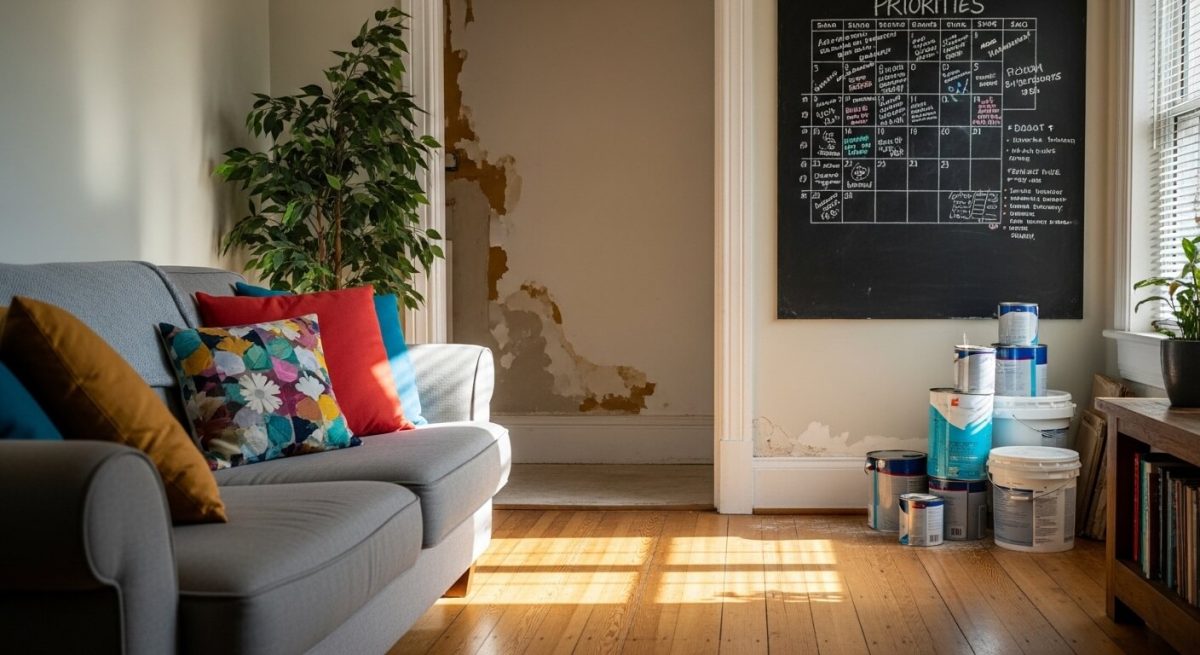
Next, assess the condition of your home; identify areas needing immediate attention versus those that can wait. Consider how each improvement can enhance your comfort and satisfaction.
Finally, reflect on your budget—what can you realistically afford? By aligning your needs with your goals, you’ll focus on the improvements that’ll make the most difference in your life.
Evaluating the Potential Return on Investment
While planning your home improvements, it’s essential to evaluate their potential return on investment (ROI) to guarantee you’re spending wisely.
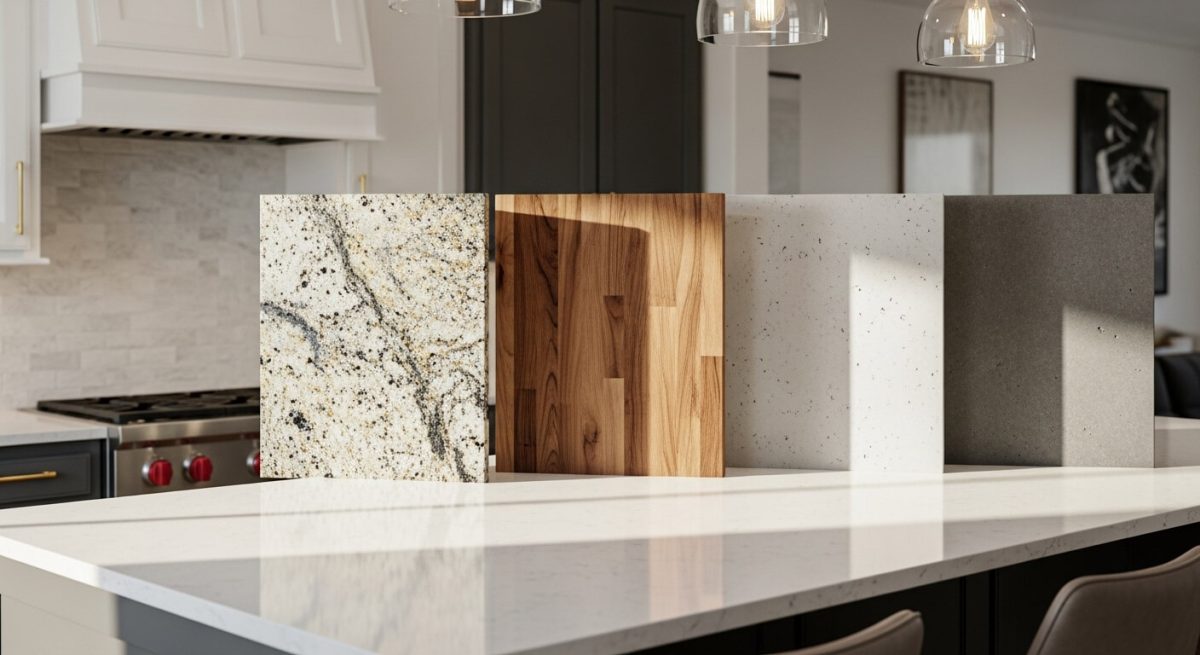
Start by researching which upgrades can boost your home’s value. Focus on projects with proven ROI, like kitchen remodels or bathroom updates.
Consider local market trends and consult real estate professionals for insights. Calculate the costs involved and compare them to the potential increase in your home’s value.
Keep in mind that some improvements may enhance your living experience even if they don’t offer a high financial return.
Prioritizing projects with solid ROI will help maximize your budget effectively.
Focusing on High-Impact Projects
After evaluating which improvements can yield the best return on investment, it’s time to hone in on high-impact projects that can transform your home without breaking the bank.
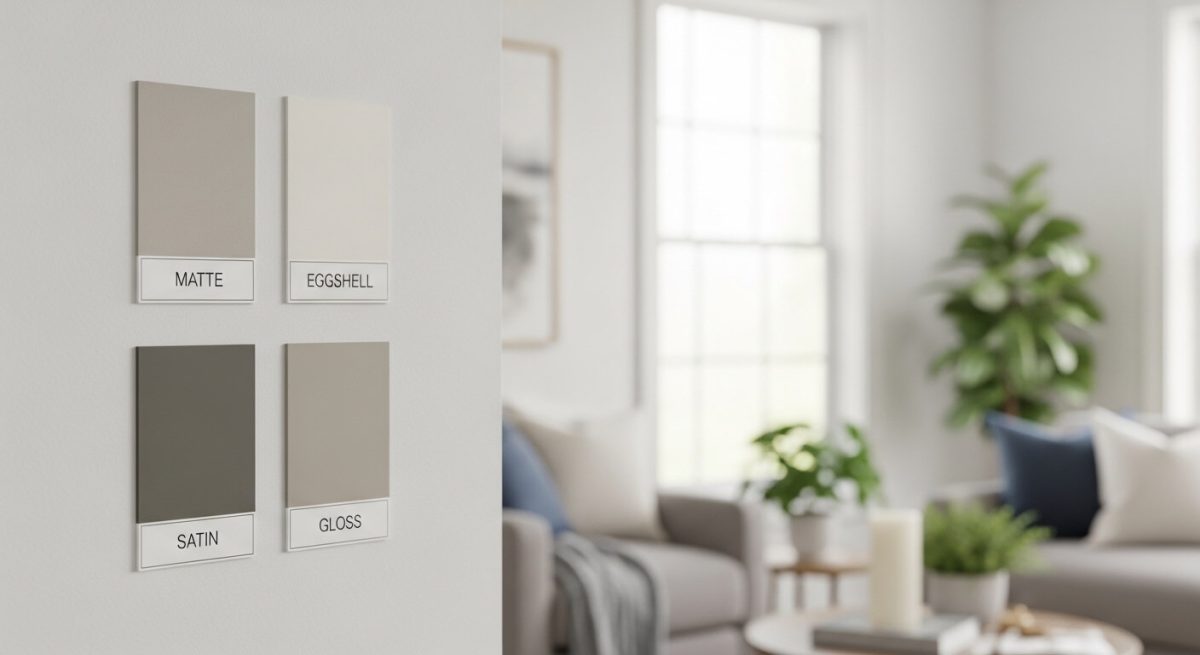
Focus on updates that enhance curb appeal, like fresh landscaping or a new front door. Inside, consider repainting walls in neutral colors for a modern look. Upgrading light fixtures or cabinet hardware can also make a significant difference.
Don’t overlook minor repairs; fixing leaks or squeaky doors improves functionality and perception.
Prioritize projects that elevate both aesthetics and value, ensuring you maximize your budget for a lasting impact.
Setting a Realistic Budget and Timeline
Creating a realistic budget and timeline for your home improvements is vital to keeping your project on track. Start by evaluating your finances and determining how much you can afford to spend. Break down costs by prioritizing essential materials and labor.
Next, outline a timeline that considers the scope of each project and any potential delays. Be sure to factor in time for research and decision-making. Allow for some flexibility, as unexpected issues may arise.
Seeking Professional Guidance and Resources
When you’re tackling home improvements on a budget, seeking professional guidance can make a significant difference.
Professionals, like contractors or designers, can help you prioritize projects based on your needs and budget. They can provide insights on which upgrades offer the best return on investment.
Additionally, local home improvement stores often have resources, workshops, or consultations available.
Don’t underestimate online platforms, too; many websites offer valuable tips and forums where you can ask questions.
By leveraging these resources, you’ll make informed decisions and maximize the impact of your improvements without overspending.
Trust the experts to guide your choices wisely.
Frequently Asked Questions
How Can I Prioritize Improvements for Energy Efficiency?
Start by sealing leaks around windows and doors, then upgrade insulation.
Next, consider energy-efficient appliances and LED lighting.
Prioritize high-impact changes that lower energy bills and enhance comfort, ensuring long-term savings without overspending.
What Are the Best DIY Projects for Budget-Conscious Homeowners?
Consider invigorating your space with simple DIY projects like painting, adding shelving, or updating light fixtures.
You’ll enhance your home’s appeal without breaking the bank, and you’ll enjoy the satisfaction of doing it yourself.
How Do Seasonal Changes Affect Home Improvement Projects?
Seasonal changes can impact your home improvement projects considerably.
You’ll want to take into account weather conditions, the best times for exterior work, and energy efficiency upgrades, ensuring your efforts align with seasonal benefits for ideal results.
Should I Consider Financing Options for Larger Renovations?
Yes, you should consider financing options for larger renovations.
They can help spread costs over time, making it easier to manage your budget while still achieving your desired improvements.
Just guarantee you understand the terms before committing.
How Can I Maximize Small Spaces on a Limited Budget?
You can maximize small spaces by using multi-functional furniture, incorporating vertical storage solutions, and utilizing light colors to create an airy feel.
Prioritize decluttering to enhance usability and make the area seem larger.
Conclusion
By prioritizing your home improvements based on your needs, potential ROI, and high-impact projects, you can make the most of your limited budget. Set a realistic budget and timeline, and don’t hesitate to seek professional advice if needed. Remember, even small upgrades can significantly enhance your living space and increase your home’s value. With careful planning and focus, you’ll transform your house into the home you’ve always wanted without breaking the bank.