Categories
Blog

What Happens During a Home Renovation Inspection?

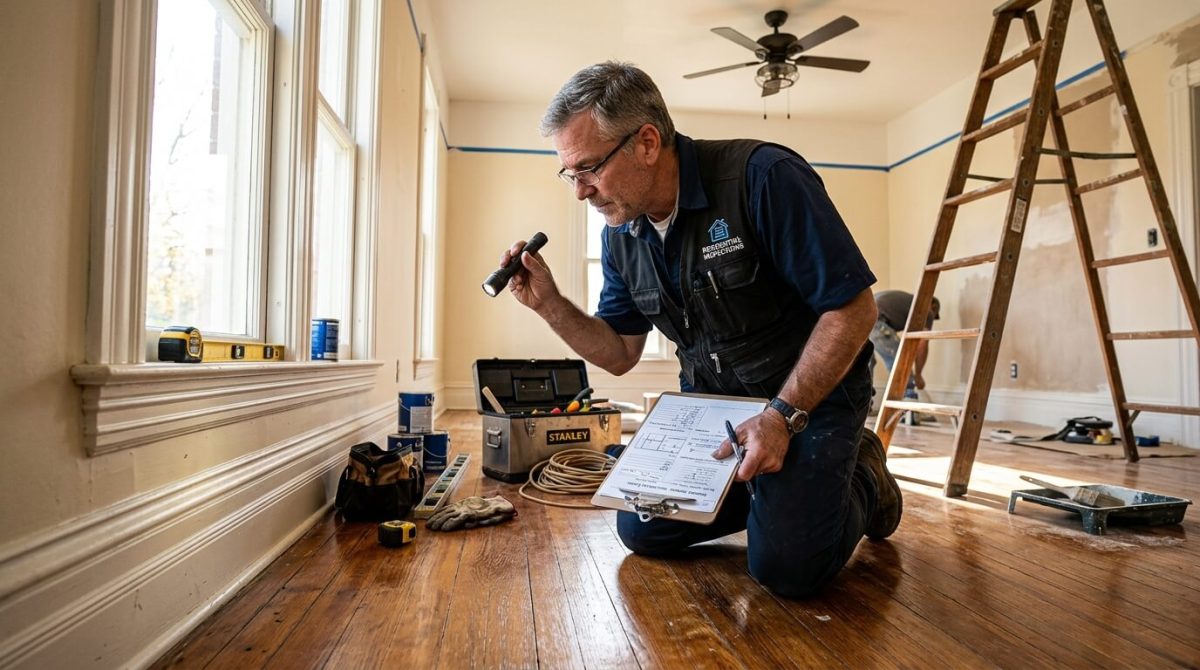
During a home renovation inspection, you’ll uncover essential details that might affect your project’s success. Inspectors assess structural integrity, plumbing, and electrical systems, looking for compliance and functionality. They’ll also evaluate insulation, ventilation, and fire safety measures. Expect to find common issues like water damage, electrical problems, or faulty plumbing that need addressing. After the inspection, you’ll prioritize urgent fixes and adjust your renovation plans accordingly. Stick around to discover more about the entire process and its importance.

The Importance of a Renovation Inspection

When you’re diving into a home renovation, understanding the importance of a renovation inspection can’t be overstated.

This step guarantees you’re aware of any underlying issues that could jeopardize your project. It helps you identify structural problems, outdated electrical systems, or plumbing concerns before they escalate.

By addressing these issues early, you can save time, money, and stress down the line. Plus, a thorough inspection can enhance your home’s value and safety, giving you peace of mind.

Ultimately, investing in a renovation inspection is a smart move that safeguards your efforts and sets the stage for a successful renovation journey.

Preparing for the Inspection

Before the inspection, it’s crucial to gather all relevant documents and information about your home. This includes renovation plans, permits, and any previous inspection reports.

Make sure to have receipts for materials and contractor agreements handy. Clear any clutter from the areas being inspected, as this allows for better access and visibility.

Check that utilities like water, electricity, and gas are functioning, as inspectors often test these systems.

Finally, if you have any questions or concerns, jot them down. Being well-prepared can help the inspection go smoothly and guarantee you get the most accurate assessment of your renovation project.

What Inspectors Look For

Inspectors focus on various aspects of your renovation to guarantee it meets safety standards and local codes. They’ll check structural integrity, looking for proper framing and support.

Plumbing and electrical systems are scrutinized for compliance and functionality, ensuring everything’s up to par. Inspectors also evaluate insulation and ventilation to maintain energy efficiency and air quality.

They pay attention to fire safety measures, confirming smoke detectors and exits are accessible.

Finally, they’ll assess the overall workmanship, making certain that all finishes and installations are done correctly. Their goal is to safeguard your home and guarantee a successful renovation process.

Common Issues Found During Inspections

During an inspection, you might be surprised by some common issues that can arise. Inspectors often find water damage, which can lead to mold if not addressed.

Electrical problems, like outdated wiring or insufficient outlets, are also frequent concerns. You may notice structural issues, such as cracks in the foundation or walls, which could indicate serious problems.

Additionally, faulty plumbing, including leaks or old pipes, can be a significant headache.

Finally, inspectors might flag inadequate insulation, which can affect energy efficiency. Being aware of these issues helps you stay proactive during your home renovation.

Next Steps After the Inspection

Once you’ve received the inspection report, it’s essential to assess the findings and prioritize your next steps.

Start by addressing any urgent issues, like safety concerns or structural problems. Create a timeline for repairs and budget for necessary fixes.

If the report highlights areas needing further evaluation, consult specialists to get additional insights.

Communicate with your contractor about the findings, discussing any adjustments to your renovation plan.

Finally, make sure you keep records of all communications and decisions made during this process. Staying organized will help you manage your renovation smoothly and effectively.

Frequently Asked Questions

How Long Does a Home Renovation Inspection Typically Take?

A home renovation inspection typically takes between one to three hours, depending on the project’s size and complexity.

You’ll want to guarantee all areas are covered to get a thorough assessment of your renovation.

Can I Be Present During the Inspection?

Yes, you can be present during the inspection.

It’s a great opportunity to ask questions and gain insights into the condition of your home.

Just make sure to stay out of the inspector’s way.

What Is the Cost of a Renovation Inspection?

A renovation inspection typically costs between $300 and $500, depending on your location and the property’s size.

It’s essential to budget for this expense to guarantee a thorough evaluation of your renovation project.

How Often Should I Have My Home Inspected?

You should have your home inspected every few years, especially after major renovations or changes.

Regular inspections help catch issues early, ensuring your home remains safe, functional, and valuable over time.

Don’t overlook this essential maintenance!

Will the Inspector Provide a Written Report?

Yes, the inspector will provide a written report detailing their findings.

You’ll receive information on any issues discovered and recommendations for repairs, helping you make informed decisions about your home renovation project.

Conclusion

In conclusion, a home renovation inspection is crucial for ensuring your project meets safety and quality standards. By preparing properly and understanding what inspectors look for, you can tackle common issues head-on. After the inspection, take the necessary steps to address any concerns and keep your renovation on track. This proactive approach not only protects your investment but also gives you peace of mind, knowing your home is safe and sound for years to come.

Categories
Blog

Pet Safety Tips During Home Renovations

To keep your pets safe during home renovations, designate a quiet space away from the noise, using their familiar bedding and toys to create comfort. Store hazardous materials out of reach and regularly check for spills. Manage noise with white noise machines or calming music, and supervise your pets at all times. Have an emergency plan in place, including accessible escape routes. These strategies guarantee a smoother renovation experience, and there’s more to explore on this topic.

Designate a Safe Space for Your Pets

When renovations begin, ensuring your pets feel safe and secure is essential.

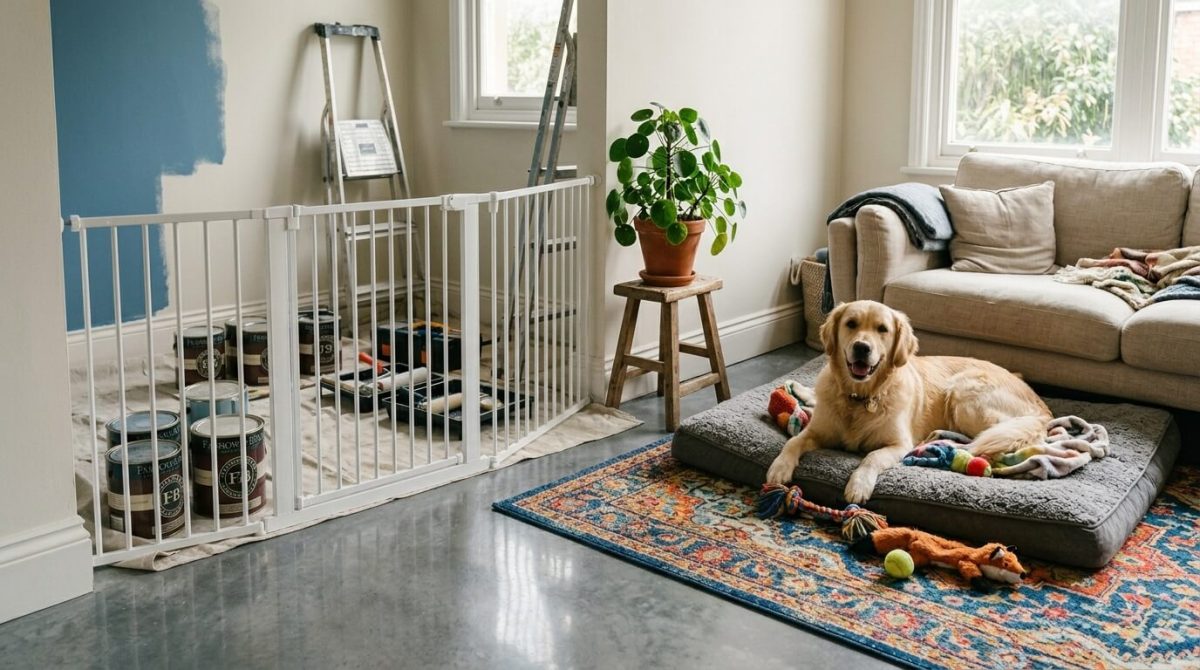
Designate a quiet area in your home where your pets can retreat. This space should be away from the noise and chaos of construction. Use familiar bedding, toys, and their favorite treats to create a comforting environment.

Close the door to prevent them from wandering into hazardous areas. Make sure this space has adequate ventilation and is free from any potential hazards.

Regularly check in on them to provide reassurance, and consider using a baby gate to keep them contained while allowing them to see what’s happening from a distance.

Keep Hazardous Materials Out of Reach

To keep your pets safe during renovations, it’s vital to store hazardous materials out of their reach. This includes paints, solvents, adhesives, and cleaning supplies that can pose serious health risks.

Use locked cabinets or high shelves to guarantee your furry friends can’t access these items. Regularly check the work area for any spills or discarded materials that could harm your pets.

Don’t forget to secure any tools, as they can also be dangerous. By being proactive and organized, you can create a safer environment for your pets while making sure your renovation goes smoothly.

Manage Noise and Disruptions

Keeping hazardous materials out of your pet’s reach is just one part of guaranteeing their safety during renovations.

You’ll also need to manage the noise and disruptions that come with the process. If your pet’s anxious, consider creating a quiet space away from the commotion. Use white noise machines or calming music to help drown out the sounds.

Make sure your pet has familiar toys and bedding to provide comfort. You might even want to take them for walks or to a friend’s house during particularly loud activities.

Keeping them calm can make the renovation experience smoother for both of you.

Supervise and Monitor Your Pets

As renovations progress, it’s essential to supervise and monitor your pets closely to guarantee their safety.

With workers coming and going, your pets might feel anxious or adventurous, potentially wandering into hazardous areas. Keep an eye on them, especially around tools, paints, or chemicals that could be harmful.

Designate a safe space away from the chaos where they can feel secure. If you can’t supervise them directly, consider using a crate or a separate room to keep them safe and calm.

Regularly check on them to reassure them during this hectic time, as your presence can provide comfort amid the disruption.

Plan for Emergencies and Quick Exits

Even with careful supervision, unexpected situations can arise during renovations that require you to act quickly.

To keep your pets safe, establish a clear emergency plan. Identify escape routes and make sure they’re easily accessible. Practice quick exits with your pets, so they know what to do if an emergency occurs.

Keep a pet carrier nearby for swift transportation, and make certain your pets are familiar with it. Have a designated safe area, away from the chaos, where they can stay calm.

Finally, keep contact information for your vet handy, just in case you need immediate assistance during or after a renovation.

Frequently Asked Questions

How Can I Desensitize My Pet to Construction Noises?

Start by playing recordings of construction noises at a low volume while rewarding your pet with treats.

Gradually increase the volume over time, ensuring your pet associates the sounds with positive experiences and comfort.

Should I Keep My Pet Away During All Renovation Phases?

Yes, you should keep your pet away during all renovation phases.

The noise, dust, and unfamiliar activity can stress them out.

It’s safer for them to stay in a quiet, comfortable environment while you renovate.

What Are the Signs My Pet Is Stressed During Renovations?

Your pet may show signs of stress during renovations by hiding, excessive barking or meowing, changes in appetite, destructive behavior, or increased pacing.

Keep an eye out for these behaviors to help them feel more secure.

Can I Use Calming Products for Pets During Renovations?

Yes, you can use calming products for pets during renovations.

Just make sure they’re safe and suitable for your pet’s specific needs.

Monitor how your pet reacts and adjust as necessary to keep them comfortable.

How Do I Choose a Pet-Friendly Contractor?

To choose a pet-friendly contractor, look for professionals who understand your concerns.

Ask about their experience with pets, check reviews, and guarantee they prioritize safety and comfort during projects to keep your furry friends secure.

Conclusion

By following these pet safety tips during home renovations, you can ensure a smoother experience for both you and your furry friends. Designate a safe space, keep hazardous materials out of reach, and stay attentive to their needs amidst the noise and disruptions. Always supervise your pets and have a plan for emergencies. With a little preparation, you can create a safer environment that keeps your pets happy and secure while you tackle those home improvements.

Categories
Blog

How to Live in Your Home During a Major Renovation

Living in your home during a major renovation can be challenging, but you can make it manageable. Start by establishing a temporary living space in a quiet room. Set clear boundaries with contractors about work hours and access. Keep a routine to provide stability amidst the chaos. Embrace the mess while staying organized, and find ways to enjoy the process, like celebrating small milestones. There are plenty of tips to help you navigate this change smoothly.

Establish a Temporary Living Space

While your home undergoes renovation, establishing a temporary living space is vital for maintaining your sanity and comfort.

Choose a room that’s least affected by the work, like a bedroom or a quiet corner. Set up your essentials—bedding, toiletries, and a few personal items—to create a cozy atmosphere.

Create a small kitchenette if possible, with a microwave, coffee maker, and snacks to minimize trips to the main kitchen.

Keep your space organized and tidy, making it a haven amidst the chaos. This setup helps you stay relaxed and focused, ensuring you can navigate through the renovation without feeling overwhelmed.

Set Clear Boundaries With Contractors

Creating a comfortable temporary living space is just the beginning; now it’s important to set clear boundaries with your contractors.

Communicate your expectations upfront, covering work hours, noise levels, and access to your living areas. Establish specific zones where they can and can’t go.

Discuss how you’ll handle unexpected changes or delays to avoid misunderstandings. Trust is essential, but so is ensuring your privacy and comfort.

Regular check-ins can help maintain a good relationship while keeping your needs front and center.

Maintain a Routine Amidst the Chaos

Establishing a routine during your home renovation can make a significant difference in how you cope with the disruption. Start each day at the same time, even if it’s tempting to sleep in.

Prioritize your morning rituals, whether that’s enjoying coffee or reading for a few minutes. Include designated work or relaxation periods to give structure to your day.

Try to eat meals at consistent times, as this promotes a sense of normalcy. Don’t forget to set aside time for exercise and self-care, too.

Embrace the Mess and Stay Organized

As you navigate the whirlwind of a home renovation, embracing the mess can actually bring a sense of freedom and creativity to your space.

Instead of fighting against clutter, find ways to organize it. Use bins and labels to keep tools and materials sorted. Create a designated area for daily essentials, making it easier to find what you need.

Don’t forget to take breaks and appreciate the transformation happening around you. Embracing the chaos allows you to adapt and discover new ideas for your home.

Stay flexible, and remember, a little mess now can lead to a beautiful future.

Find Ways to Enjoy the Process

While a renovation can feel overwhelming, finding ways to enjoy the process can transform your experience into something positive and fulfilling.

Celebrate small milestones, like finishing a room or finding the perfect paint color. Schedule “renovation parties” with friends to share in the excitement and keep spirits high.

Create a vision board to visualize your dream space and inspire creativity. Take breaks to explore local cafes or parks, giving yourself a mental reset.

Document the journey with photos or a journal, capturing the transformation. Focus on the end result, but don’t forget to appreciate the adventure along the way!

Frequently Asked Questions

How Can I Minimize Noise During Renovations?

To minimize noise during renovations, close doors to affected areas, use noise-canceling headphones, or play soft music.

You might also consider scheduling work during hours when you’re usually out, helping create a quieter environment.

What Should I Do With My Pets During the Renovation?

During the renovation, keep your pets in a quiet, secure area away from the worksite.

Consider using pet sitters or boarding facilities to guarantee their comfort and safety while the noise and chaos unfold.

How Can I Protect My Furniture From Dust?

Cover your furniture with plastic sheets or old blankets to shield it from dust.

You can also move smaller items into a different room, ensuring they stay clean and protected throughout the renovation process.

Are There Any Safety Precautions I Should Take?

Yes, you should wear masks to avoid inhaling dust, secure loose wires, and keep children and pets away from the work area.

Make sure to use proper tools and follow safety guidelines when handling materials.

How Long Should I Expect the Renovation to Take?

You should expect the renovation to take anywhere from a few weeks to several months, depending on the project’s scope.

Regularly check in with your contractor to stay updated on timelines and progress.

Conclusion

Living in your home during a major renovation can be challenging, but it’s totally doable. By creating a temporary living space, setting boundaries with contractors, maintaining your routine, embracing the mess, and finding joy in the process, you can navigate this chaotic time with ease. Remember, renovations are a journey, and each step brings you closer to your dream space. Stay positive, and soon enough, you’ll be enjoying the beautiful results of your hard work!

Categories
Blog

How Material Shortages Can Impact Your Renovation Timeline

Material shortages can severely impact your renovation timeline by causing delays in construction and pushing back completion dates. When materials aren’t available, you may face increased labor costs as workers wait for shipments. This can complicate scheduling with subcontractors and lead to budget overruns due to unanticipated expenses. To navigate these challenges effectively, stay informed about availability and explore various strategies that can help alleviate the stress caused by these shortages. Discover more insights on managing your projects efficiently.

Understanding the Causes of Material Shortages

Although it might seem surprising, material shortages in construction often stem from a mix of global supply chain disruptions, increased demand, and production delays.

When you’re planning your renovation, you mightn’t realize how interconnected these factors are. For instance, pandemic-related restrictions can halt production in factories, leading to fewer materials available for your project.

Simultaneously, a surge in home renovations can amplify demand for specific supplies. Additionally, shipping delays can further complicate the situation, making it harder for suppliers to deliver materials on time.

Understanding these causes can help you better navigate potential challenges in your renovation timeline.

The Effects of Delays on Your Renovation Project

Material shortages can greatly impact your renovation project, causing delays that ripple through your entire timeline.

When materials aren’t available, you’ll find yourself waiting for shipments, which can stall construction and lead to increased labor costs. This disruption can push back your completion date, affecting everything from your budget to your living arrangements.

Additionally, you might face challenges in scheduling subcontractors, as their availability depends on your project’s progress.

Ultimately, these delays can cause frustration and stress, making it essential to stay informed about potential shortages and how they might affect your plans moving forward.

Strategies for Planning Around Material Shortages

As you commence your renovation project, planning ahead can help you navigate the challenges posed by material shortages.

Start by researching the materials you’ll need and their availability. Consider alternatives that might be more readily available.

Create a flexible timeline, allowing for potential delays, and prioritize essential tasks. Ordering materials early can give you a head start, so don’t wait until the final minute.

Stay informed about industry trends and potential shortages. Finally, keep a buffer in your budget to accommodate any unexpected price increases.

These strategies can help you stay on track despite material challenges.

Communicating With Contractors and Suppliers

Effective communication with contractors and suppliers is essential for ensuring your renovation project runs smoothly.

Keep everyone in the loop by discussing timelines, expectations, and any potential material shortages. Regular check-ins can help address issues before they escalate.

Don’t hesitate to ask questions; clarifying details upfront can save time and money later. Use clear, concise language when conveying your needs, and encourage open dialogue.

Establishing a reliable communication channel—like email or project management software—can enhance collaboration.

Preparing for Future Renovation Challenges

While you might feel prepared for your current renovation, anticipating future challenges can save you time and stress.

Start by researching potential material shortages and seasonal demands. Create a flexible timeline that accounts for unexpected delays.

It’s wise to maintain open communication with your contractors and suppliers, ensuring you’re updated on any changes.

Consider stockpiling essential materials when possible, especially if you’re aware of upcoming projects.

Finally, keep a contingency budget for unforeseen expenses.

Frequently Asked Questions

How Can I Find Alternative Materials for My Renovation?

You can explore local suppliers, online marketplaces, and salvage yards for alternative materials.

Consider eco-friendly options or repurposed items, and consult with professionals who can recommend substitutes that meet your aesthetic and structural needs.

What Are the Most Commonly Affected Materials During Shortages?

Commonly affected materials during shortages include lumber, drywall, steel, and plumbing supplies.

You might find delays in sourcing these items, so it’s wise to plan ahead and consider alternatives to keep your renovation on track.

Will Insurance Cover Delays Caused by Material Shortages?

Insurance typically won’t cover delays caused by material shortages.

You should check your policy for specifics, but most plans focus on damage or loss, not delays from supply chain issues.

Always consult your agent for clarity.

How Can I Stay Updated on Material Availability?

You can stay updated on material availability by regularly checking supplier websites, subscribing to industry newsletters, and joining local contractor forums.

Networking with other homeowners also helps you gain insights on current market conditions.

What Should I Do if My Project Exceeds Budget Due to Delays?

If your project exceeds budget due to delays, reassess your priorities and consider cutting non-essential features.

Communicate with your contractor to explore cost-effective alternatives, and adjust your timeline to accommodate any necessary changes.

Conclusion

In conclusion, navigating material shortages can be tricky, but with the right strategies, you can keep your renovation on track. By understanding the causes and maintaining open communication with your contractors and suppliers, you’ll be better prepared for any delays. Planning ahead and being flexible can help you adapt to challenges as they arise. Remember, staying proactive is key to ensuring your project gets completed on time and meets your vision.

Categories
Blog

How Contractors Handle Unexpected Issues During Renovations

Contractors handle unexpected issues during renovations by spotting hidden problems early, like water damage or structural weaknesses. They prioritize open communication with you, keeping you updated on challenges and solutions. Creative problem-solving comes into play, allowing them to explore alternatives and collaborate with their team. When issues arise, they adjust project timelines and budgets while documenting changes. Learning from past experiences helps them refine their strategies, ensuring smoother renovations for everyone involved. Discover more insights to enhance your renovation experience.

Identifying Hidden Issues Early

When you start a project, it’s essential to identify hidden issues early, as tackling problems before they escalate can save time and money.

Begin with a thorough inspection of the site, looking for signs of water damage, structural weaknesses, or outdated wiring. Don’t overlook potential hazards lurking behind walls or under floors. Engaging a qualified inspector can uncover these issues early on.

Also, consider past renovations or local building codes that might reveal unexpected complications. By addressing these hidden issues upfront, you’ll create a smoother workflow and minimize costly delays, ensuring your project stays on track and within budget.

Effective Communication With Clients

Effective communication with clients is essential for managing unexpected issues during a project, as it builds trust and fosters collaboration.

You should keep your clients informed about potential challenges and your proposed solutions. Regular updates, whether through emails or calls, help maintain transparency.

Encourage clients to voice their concerns or preferences, ensuring they feel heard and valued. When you explain the reasons behind decisions clearly, it strengthens your relationship.

Remember, effective communication isn’t just about sharing information; it’s about actively listening and adapting to your client’s needs.

This approach will lead to a smoother renovation process and happier clients.

Creative Problem-Solving Techniques

While keeping clients informed helps build trust, it’s also important to tackle unexpected issues head-on with creative problem-solving techniques.

Think outside the box; brainstorm alternatives that could resolve the problem efficiently. Collaborate with your team to leverage diverse perspectives and experiences.

When faced with a roadblock, visualize the end goal, and explore multiple pathways to get there. Don’t hesitate to involve clients in the process, as their feedback can spark innovative ideas.

Adjusting Project Timelines and Budgets

Adjusting project timelines and budgets is vital, especially when unexpected issues arise.

You’ll need to assess the situation quickly, determining how much extra time and money are required. Communicate openly with your team and clients to set realistic expectations.

It’s important to prioritize essential tasks, reallocating resources where necessary. Keep track of all changes, documenting reasons and impacts on the overall project.

This transparency helps maintain trust and allows for smoother adjustments down the line. By staying flexible and proactive, you can navigate these challenges effectively, ensuring your renovation project stays on track despite the hurdles you face.

Learning From Past Experiences

Reflecting on past experiences is essential for contractors maneuvering unexpected issues. By analyzing previous projects, you’ll identify patterns and common pitfalls, which can guide your decision-making in the future.

When faced with surprise challenges, draw on lessons learned to implement effective solutions quickly. Keep a record of what worked and what didn’t to refine your strategies over time.

Encourage open communication with your team, sharing insights from past renovations. This collaborative approach fosters a culture of continuous improvement, ensuring you’re better equipped to tackle any issues that arise.

Ultimately, learning from experience leads to smoother projects and satisfied clients.

Frequently Asked Questions

How Do Contractors Prioritize Unexpected Issues During Renovations?

Contractors prioritize unexpected issues by evaluating their impact on the project timeline and budget.

They communicate with you, making quick decisions to address critical problems first, ensuring renovations stay on track and meet your expectations.

What Types of Hidden Issues Are Most Common in Renovations?

You’ll often encounter hidden issues like plumbing leaks, electrical problems, mold growth, and structural damage.

These surprises can derail timelines and budgets, so staying vigilant during renovations helps you catch them early.

How Do Contractors Handle Client Expectations for Unforeseen Problems?

Contractors manage client expectations by communicating transparently about potential issues, providing detailed timelines, and offering solutions.

They guarantee you understand the process and costs, keeping you informed to reduce anxiety and build trust throughout the renovation.

What Insurance Coverage Is Recommended for Renovation Projects?

For renovation projects, you should consider general liability insurance, workers’ compensation, and builder’s risk coverage.

These policies protect you against potential damages, injuries, and losses, ensuring your project stays on track and financially secure.

How Can Homeowners Prepare for Unexpected Issues in Renovations?

To prepare for unexpected issues in renovations, you should set aside a contingency budget, communicate openly with your contractor, research potential problems, and remain flexible with timelines.

This proactive approach will help minimize stress and delays.

Conclusion

In renovations, unexpected issues can arise, but you can tackle them with confidence. By identifying hidden problems early and maintaining open communication with clients, you’ll foster trust. Embrace creative problem-solving and be flexible with timelines and budgets to keep projects on track. Remember, each challenge is a learning opportunity that can enhance your skills for future projects. With the right approach, you can turn surprises into successes, ensuring a smoother renovation process for everyone involved.