Categories
Blog

How Miami’s Aging Housing Stock Impacts Renovation Costs (And How to Prepare)

Miami’s aging housing stock can considerably inflate renovation costs due to outdated systems and structural issues. You’ll need to budget for potential upgrades and hidden problems, like outdated wiring or plumbing. It’s essential to familiarize yourself with local building codes to avoid costly delays. Always set aside extra funds for unexpected expenses—aim for 10-20% of your budget. By planning carefully and communicating with your contractors, you can navigate these challenges and keep your project on track. Discover more insights for a successful renovation.

Understanding Miami’s Aging Housing Stock

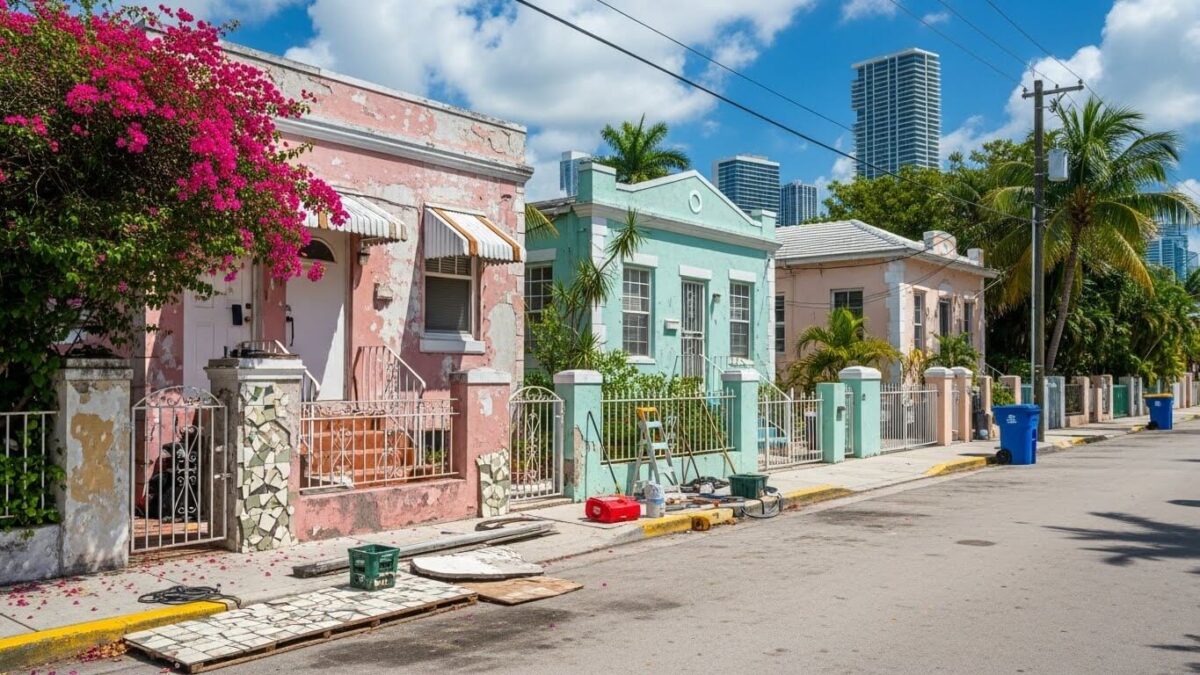
Miami’s housing landscape tells a story of resilience and evolution, but many structures are showing their age.

You might notice that older homes often lack modern amenities and energy efficiency, which can affect your comfort and utility bills.

Additionally, the unique coastal climate has taken its toll on many buildings, causing wear and tear that isn’t always visible at first glance.

As you consider renovations, it’s essential to assess not just the aesthetic aspects but also the structural integrity.

Understanding the condition of your home will help you make informed decisions, ensuring your investment is both wise and lasting.

Key Factors Driving Renovation Costs

When considering renovations, several key factors can greatly impact your costs. First, the age and condition of your property play a huge role; outdated systems often need upgrades, adding to expenses.

Second, the scope of your project directly influences your budget—more extensive changes mean higher costs.

Labor rates in Miami can also vary, so getting multiple quotes is wise.

Ultimately, material quality affects your bottom line; opting for high-end finishes will increase your expenditure.

Navigating Building Codes and Regulations

How well do you understand the building codes and regulations that apply to your renovation project? Familiarizing yourself with Miami’s specific codes is essential.

These regulations guarantee safety and compliance, impacting your project timeline and costs. Start by checking with your local building department to gather necessary permits and guidelines.

Be aware of zoning laws that may affect your plans. Consult professionals, like architects or contractors, who’ve experience maneuvering these codes.

Staying informed helps you avoid costly delays and fines. Ultimately, understanding these regulations empowers you to make informed decisions throughout your renovation journey.

Budgeting for Unexpected Expenses

While planning your renovation budget, it’s essential to set aside funds for unexpected expenses that may arise during the project.

Older homes often hide issues like outdated wiring, plumbing problems, or structural damage, which can increase your costs considerably.

It’s wise to allocate about 10-20% of your total budget specifically for these unforeseen circumstances. This way, you won’t feel financially strained if surprises pop up.

By anticipating potential setbacks, you can maintain a smoother renovation process and avoid compromising on quality or safety.

Tips for Successful Renovation Projects

Successful renovation projects hinge on careful planning and clear communication. Start by defining your goals and setting a realistic budget.

Research local contractors and check their references to verify you’re hiring the right team. Create a detailed timeline and stay flexible, as delays can happen.

Regularly communicate with your contractors to address any issues promptly. Choose quality materials that fit your budget, but don’t skimp on essentials.

Finally, keep an eye on progress and maintain a positive attitude. With these tips, you’ll navigate your renovation smoothly and achieve the results you envision for your Miami home.

Frequently Asked Questions

What Types of Materials Are Best for Miami’s Humid Climate?

For Miami’s humid climate, you’ll want to use materials like fiberglass, treated wood, and concrete.

These options resist moisture and mold, ensuring your renovations last longer and maintain their integrity in the tropical weather.

How Do Insurance Costs Change With Renovation Projects?

Insurance costs typically rise with renovation projects due to increased property value and potential risks.

You should discuss these changes with your insurer to understand how your specific renovations might affect your coverage and premiums.

Are There Local Grants for Renovating Older Homes?

Yes, there are local grants available for renovating older homes.

You should check with your city’s housing department or community development office to find specific programs that can assist you with funding your renovation projects.

What Common Pests Should I Be Aware of During Renovations?

During renovations, you should watch out for common pests like termites, cockroaches, and rodents.

They can cause serious damage if left unchecked, so keep an eye out and consider preventative measures to avoid infestations.

How Can I Find Reliable Contractors in Miami?

To find reliable contractors in Miami, ask friends for recommendations, check online reviews, and verify licenses.

Interview multiple candidates to gauge experience and communication, ensuring they understand your vision and can meet your renovation needs effectively.

Conclusion

In conclusion, renovating Miami’s aging housing stock can be challenging, but with the right preparation, you can navigate the complexities. By understanding the key factors driving costs and staying informed about building codes, you’ll set yourself up for success. Don’t forget to budget for unexpected expenses, as they often arise. With careful planning and the right approach, you can transform an older property into a beautiful, modern home that meets your needs.
Categories
Blog

Coastal-Inspired Kitchen Designs Miami Homeowners Are Loving

Miami homeowners are loving coastal-inspired kitchen designs that create a serene and inviting atmosphere. Soft color palettes featuring light blues and sandy beiges bring tranquility, while nautical accents like oversized anchors add character. Open layouts allow natural light to flow freely, perfect for social cooking. Incorporating natural materials, such as reclaimed wood and stone, enhances the beachy vibe. Plus, sleek appliances and modern fixtures elevate the overall look. Discover more about achieving your dream coastal kitchen!

Soft Color Palettes for a Serene Atmosphere

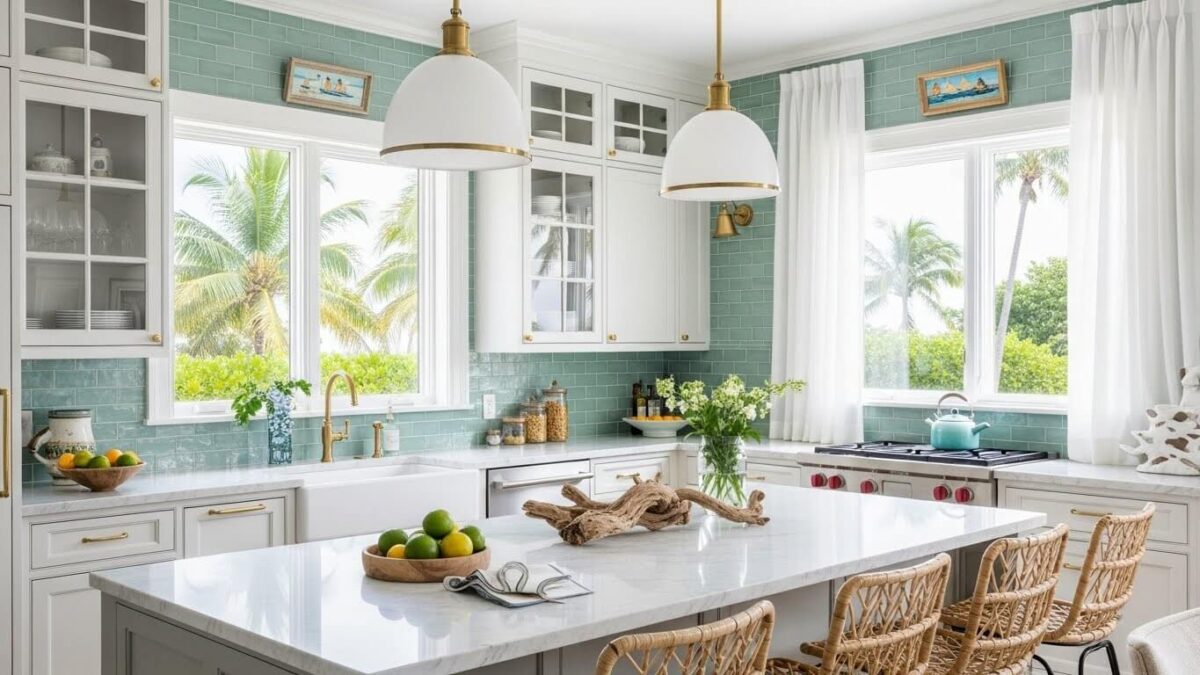
When you want to create a serene atmosphere in your coastal-inspired kitchen, soft color palettes can make all the difference. Light blues, sandy beiges, and gentle whites evoke the soothing essence of the beach.

You might consider painting your cabinets a soft seafoam green or opting for pale gray walls. Accentuate these hues with natural wood elements and light textures, creating a harmonious balance.

Soft pastels can also be integrated through accessories like dishware or curtains. By choosing these calming colors, you’ll transform your kitchen into a tranquil retreat, perfect for relaxing after a long day or entertaining friends.

Nautical Accents That Make a Statement

Soft color palettes set the perfect stage for incorporating nautical accents that make a statement in your coastal-inspired kitchen.

Think bold elements like a ship’s wheel or an oversized anchor as focal points. You can also use marine-themed artwork or decorative ropes to add character.

Consider navy-blue bar stools or light fixtures resembling lanterns to enhance the theme. Incorporating seashell motifs in cabinet hardware or countertops brings a touch of the ocean indoors.

These accents not only create visual interest but also evoke the serene, breezy vibe of coastal living. Embrace these details to transform your kitchen into a nautical haven.

Open Layouts for a Breezy Feel

An open layout effortlessly creates a breezy feel in your coastal-inspired kitchen. By removing unnecessary walls, you invite natural light to flow freely, enhancing that airy vibe you love.

Picture yourself cooking while chatting with family or friends in the adjoining living space, all while enjoying the ocean breeze. An open design not only maximizes space but also fosters a sense of togetherness.

You can incorporate large windows or sliding doors that lead to outdoor areas, further blurring the lines between indoor and outdoor living. Embrace this layout to cultivate a relaxed, inviting atmosphere that embodies coastal charm.

Natural Materials to Bring the Outdoors In

Incorporating natural materials into your coastal-inspired kitchen not only enhances its aesthetic appeal but also creates a seamless connection to the outdoors.

Think about using reclaimed wood for cabinetry or open shelving, which adds warmth and character. Stone countertops provide a rugged touch and evoke the feel of sandy beaches. Bamboo or rattan accents can brighten the space while maintaining a beachy vibe.

Adding terracotta tiles or natural stone flooring brings an earthy element underfoot. Don’t forget to include plants; they’ll bring life into your kitchen and enhance that fresh coastal atmosphere you’re aiming for.

Embrace nature for a serene culinary haven.

Modern Coastal Appliances and Fixtures

Natural materials set the stage for a coastal kitchen, but modern appliances and fixtures amplify that aesthetic while providing functionality.

Choose sleek stainless steel refrigerators and dishwashers that blend seamlessly with your decor. Opt for quartz or marble countertops that mimic the ocean’s hues, enhancing the coastal vibe.

Consider open shelving to showcase decorative glassware or beach-inspired accents. Pendant lights with a nautical touch can illuminate your space beautifully.

Don’t forget smart technology, like touchless faucets, which add convenience and a contemporary flair.

With these elements, you’ll create a kitchen that’s both stylish and practical, perfectly embodying coastal living.

Frequently Asked Questions

What Are the Best Coastal Color Combinations for Kitchens?

For the best coastal color combinations in kitchens, try soft blues with crisp whites, sandy beige paired with seafoam green, or light grays accented by coral tones.

These palettes create a fresh, inviting atmosphere.

How Do I Choose Nautical Decor Without Overdoing It?

To choose nautical decor without overdoing it, focus on a few key pieces, like a ship wheel or anchor art.

Balance these with neutral tones and natural textures to maintain harmony and avoid overwhelming your space.

What Layouts Maximize Space in Small Coastal Kitchens?

To maximize space in small coastal kitchens, opt for an open layout with multifunctional furniture.

Utilize vertical storage and incorporate compact appliances.

Light colors and reflective surfaces can also create an illusion of spaciousness.

Are There Specific Plants That Thrive in Coastal Kitchen Designs?

Yes, you’ll love incorporating herbs like rosemary and thyme, or tropical plants like succulents and ferns.

They thrive in coastal kitchens, adding a revitalizing touch while enhancing the vibrant, breezy atmosphere you’re aiming for.

How Can I Maintain My Coastal Kitchen’s Aesthetic Over Time?

To maintain your coastal kitchen’s aesthetic, regularly clean surfaces, update decor with seasonal accents, and incorporate natural materials.

Keep your color palette fresh by adding pops of blue or sandy tones.

You’ll enjoy a vibrant space!

Conclusion

Embracing coastal-inspired kitchen designs can transform your home into a serene oasis. By incorporating soft color palettes, nautical accents, and open layouts, you’ll create a breezy atmosphere perfect for gatherings. Don’t forget to bring the outdoors in with natural materials, and elevate functionality with modern appliances and fixtures. With these elements, your kitchen will not only reflect Miami’s vibrant coastal lifestyle but also become a space where you can relax and enjoy the beauty of your surroundings.

Categories
Blog

How to Remodel Your Miami Kitchen Without Losing Function for a Single Day

To remodel your Miami kitchen without losing functionality, assess your current layout and create a detailed plan that prioritizes must-haves. Choose reliable contractors and quality materials to guarantee a smooth process. Set up a temporary kitchen space nearby with essential appliances so you can still cook daily. Finally, implement smart storage solutions to maximize space. Follow these steps, and you’ll keep your kitchen functional throughout the remodel while enjoying the process of transformation. More tips await!

Assessing Your Current Kitchen Layout

How well does your current kitchen layout serve your needs? Take a moment to evaluate its functionality.

Are you finding it easy to move between the sink, stove, and fridge? If you’re constantly bumping into things or feeling cramped, it’s time to reassess.

Consider the storage options and whether you have enough counter space for meal prep.

Think about how you use the kitchen daily—do you need room for multiple cooks or entertaining?

Identifying these aspects will help you understand what works and what doesn’t, guiding your decisions for a more efficient and enjoyable kitchen space.

Creating a Detailed Remodeling Plan

Once you’ve assessed your current kitchen layout and identified its strengths and weaknesses, it’s time to create a detailed remodeling plan.

Start by defining your goals—do you want more space, better functionality, or an updated aesthetic? Sketch a rough layout that incorporates your desired changes, keeping traffic flow and work zones in mind.

Next, prioritize your must-haves and nice-to-haves, ensuring you stay within budget. Consider the timeline for each phase of the remodel and how it’ll affect your daily routine.

Having a clear plan not only streamlines the process but also helps you visualize your dream kitchen effectively.

Choosing the Right Contractors and Materials

As you begin your kitchen remodeling journey, selecting the right contractors and materials is vital to achieving your vision.

Start by researching local contractors with solid reputations and positive reviews. Schedule interviews to gauge their expertise and communication style. Don’t hesitate to ask for references or view their past work.

When it comes to materials, prioritize quality over cost. Choose durable options that fit your design aesthetic and lifestyle needs. Visit showrooms or suppliers to see samples in person.

Setting Up a Temporary Kitchen Space

Creating a temporary kitchen space is vital during your remodeling project, especially if your main kitchen will be out of commission for a while.

Start by choosing a location, like a garage or dining room, that’s close to your main living area. Set up essential appliances, such as a microwave, toaster oven, and mini-fridge.

Gather your cookware, utensils, and dishes, organizing them in a way that mimics your normal kitchen flow. Don’t forget to include a coffee maker!

Finally, make certain you have adequate lighting and a clean workspace to make meal prep easier. Enjoy your temporary setup while your kitchen transforms!

Implementing Smart Storage Solutions

While you’re reimagining your kitchen, implementing smart storage solutions can greatly enhance both functionality and aesthetics.

Start by utilizing vertical space; install shelves or cabinets that reach the ceiling. Consider pull-out drawers for pots and pans, making them easily accessible. Use drawer dividers to keep utensils organized and within reach.

Magnetic strips can hold knives and spice jars, freeing up counter space. Don’t forget about corner cabinets; lazy Susans can maximize those tricky areas.

Frequently Asked Questions

How Can I Minimize Dust and Debris During the Remodel?

To minimize dust and debris during your remodel, seal off work areas with plastic sheeting.

Use a vacuum with a HEPA filter, and regularly clean surfaces.

Don’t forget to communicate with your contractors about maintaining cleanliness.

What Permits Do I Need for a Kitchen Remodel in Miami?

You’ll need a building permit for structural changes, electrical permits for wiring updates, and plumbing permits if you’re altering water lines.

Always check with your local Miami authorities to guarantee compliance with all regulations.

How Do I Handle Plumbing Issues During the Renovation?

To handle plumbing issues during your renovation, you should hire a licensed plumber.

They’ll assess the situation, recommend solutions, and guarantee everything complies with local codes, keeping your project running smoothly and efficiently.

What Are the Best Times to Schedule My Remodel?

Schedule your remodel during off-peak seasons, like late fall or winter, when contractors are less busy.

Weekdays can also be better, as they often have more availability and can complete the work efficiently.

Can I Remodel My Kitchen on a Tight Budget?

Yes, you can remodel your kitchen on a tight budget.

Prioritize essential upgrades, shop sales, and consider DIY projects.

Focus on cosmetic changes like paint or hardware to refresh your space without breaking the bank.

Conclusion

Remodeling your Miami kitchen doesn’t have to disrupt your daily routine. By assessing your current layout, creating a solid plan, and choosing the right contractors, you can ensure a smooth process. Don’t forget to set up a temporary kitchen space and incorporate smart storage solutions to keep everything organized. With careful planning and the right approach, you can enjoy a beautifully remodeled kitchen without losing function for even a single day.

Categories
Blog

The Best Moisture-Resistant Paints and Finishes for Miami Bathrooms

When selecting moisture-resistant paints and finishes for your Miami bathroom, opt for products labeled for high humidity, like Benjamin Moore Aura or Sherwin-Williams Duration. Choose satin or semi-gloss finishes for walls, as they repel moisture effectively. For flooring, consider water-resistant vinyl or ceramic tiles. Don’t forget to clean surfaces and use a proper primer for better results. If you want to explore stylish color schemes and application tips, there’s plenty more to discover!

Understanding the Importance of Moisture-Resistant Products

When it comes to painting bathrooms, understanding the importance of moisture-resistant products is essential. You’re dealing with high humidity and frequent water exposure, which can lead to mold, mildew, and peeling paint.

Using moisture-resistant paints helps protect your walls, ensuring they stay fresh and vibrant for longer. These specialized products create a barrier against dampness, reducing the risk of costly repairs down the line.

Additionally, they often come in a variety of finishes and colors, allowing you to maintain your desired aesthetic while ensuring durability.

Ultimately, choosing the right paint can make a significant difference in your bathroom’s longevity and appearance.

Top Paints for Humid Environments

Choosing the right paint for humid environments can greatly impact your bathroom’s durability and appearance.

Look for paints labeled as moisture-resistant or specifically designed for bathrooms. Brands like Benjamin Moore Aura and Sherwin-Williams Duration offer excellent mildew resistance and long-lasting finishes.

Additionally, consider using a satin or semi-gloss finish, as these repel moisture better than flat paints.

Don’t forget to check for low-VOC options to keep your space healthy.

Best Finishes for Bathroom Surfaces

Finding the right paint is just the beginning; selecting the best finishes for your bathroom surfaces can elevate both function and aesthetics.

Consider using satin or semi-gloss finishes for walls, as they provide durability and moisture resistance while being easy to clean. For cabinetry, a high-gloss finish can add a sleek look and withstand humidity.

When it comes to trim and moldings, a semi-gloss finish not only highlights architectural details but also offers protection against moisture.

Finally, don’t overlook your flooring; water-resistant vinyl or ceramic tiles can provide both style and practicality in your bathroom oasis.

Tips for Application and Maintenance

To achieve a professional-looking finish with moisture-resistant paints, preparation is key.

Start by cleaning the surface thoroughly to remove any mold or mildew. After that, apply a primer specifically designed for high-moisture areas—this enhances adhesion and durability.

Use a high-quality brush or roller for even application, and work in sections to maintain a wet edge. Don’t rush; allow adequate drying time between coats.

Once the painting is complete, keep the bathroom well-ventilated to prevent moisture buildup.

Regularly check for any signs of peeling or discoloration, and address issues promptly to maintain your paint’s integrity.

Stylish Color Schemes for Miami Bathrooms

While you might be drawn to classic neutrals, vibrant color schemes can truly elevate your Miami bathroom, creating an inviting oasis that reflects the city’s lively spirit.

Consider pairing soft aqua with coral accents for a fresh coastal vibe. Alternatively, bold tropical hues like sunny yellows and rich greens can energize the space.

Don’t shy away from mixing patterns—floral tiles or textured wallpapers can make a statement. For a more sophisticated look, try deep navy or charcoal with metallic gold accents.

Whatever palette you choose, make certain it harmonizes with your fixtures and overall decor for a cohesive, stylish finish.

Frequently Asked Questions

How Do I Test Paint for Moisture Resistance?

To test paint for moisture resistance, apply a small amount on a surface, let it dry, then place a damp cloth over it for 24 hours.

Check for any discoloration or peeling afterward.

Can I Use Regular Paint in Humid Bathrooms?

No, you shouldn’t use regular paint in humid bathrooms.

It won’t resist moisture well, leading to peeling and mold.

Instead, opt for moisture-resistant paint designed specifically for high-humidity environments to guarantee durability and longevity.

What Are the Signs of Moisture Damage in Paints?

You’ll notice signs of moisture damage in paint through bubbling, peeling, or flaking surfaces.

Discoloration or mold growth can also appear, indicating that the paint isn’t holding up well against high humidity levels in your environment.

How Long Do Moisture-Resistant Paints Last?

Moisture-resistant paints typically last around five to ten years, depending on the quality and application.

Regular maintenance and proper surface preparation can extend their lifespan, keeping your walls looking fresh and protected against moisture damage.

Are There Eco-Friendly Moisture-Resistant Options Available?

Yes, there are eco-friendly moisture-resistant options available.

Look for paints with low or no volatile organic compounds (VOCs) and sustainable ingredients.

These choices help protect the environment while still providing durability and moisture resistance.

Conclusion

In conclusion, choosing the right moisture-resistant paints and finishes is essential for your Miami bathroom. By selecting top products designed for humid environments, you’ll protect your surfaces while maintaining style. Remember to follow application tips and regular maintenance to keep everything looking fresh. With the right colors and finishes, you can create a beautiful, functional space that stands up to the challenges of Miami’s climate. So, go ahead and transform your bathroom into a moisture-resistant oasis!