Categories
Blog

How Westchester Contractors Are Embracing Sustainability

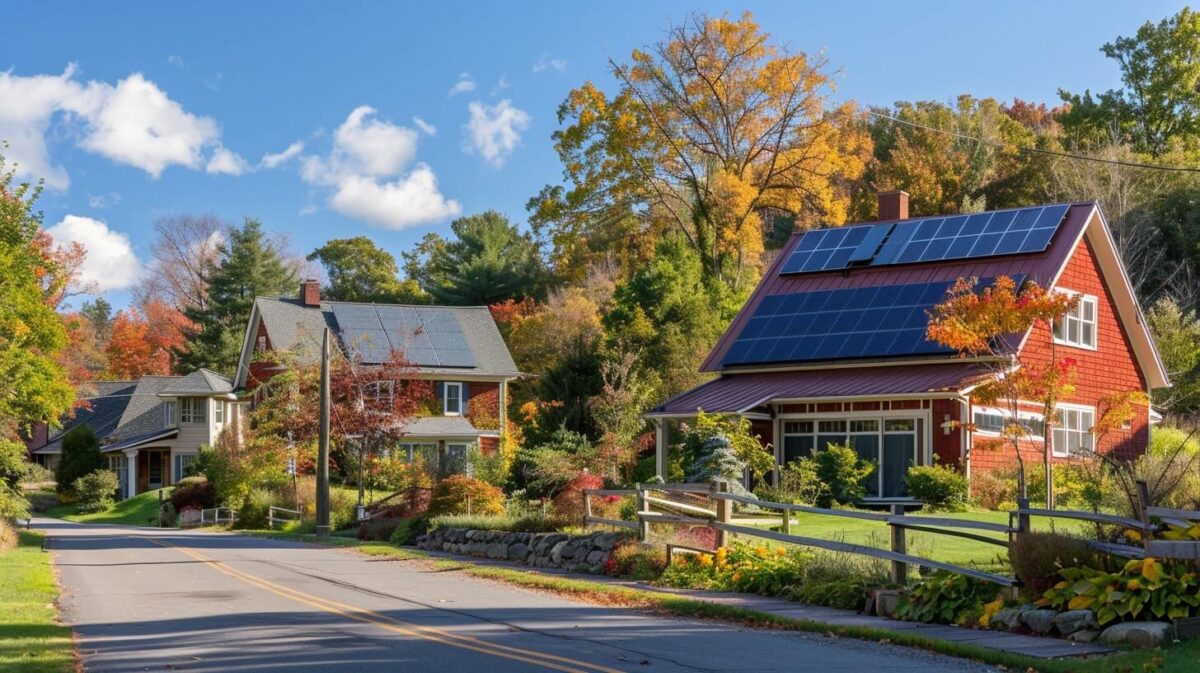
You’re likely aware that sustainability is becoming a priority in construction, but have you considered how Westchester contractors are specifically adopting these practices? They’re incorporating eco-friendly materials and energy-efficient designs, which not only enhance project outcomes but also reflect a growing commitment to environmental responsibility. As these contractors navigate the complexities of sustainable building, they’re also shaping the local community’s future. Yet, with innovation comes challenges that could impact their progress. What exactly are these challenges, and how are they addressing them?

Eco-Friendly Materials in Construction

In recent years, the construction industry has made significant strides towards incorporating eco-friendly materials, and you might be surprised by the variety available today.

You can choose from recycled steel, which reduces waste and conserves natural resources, or bamboo, a rapidly renewable resource that’s both strong and lightweight.

Reclaimed wood adds character while minimizing deforestation, and low-VOC paints improve indoor air quality.

Additionally, you’ll find innovative options like hempcrete, which isn’t only sustainable but also provides excellent insulation.

By opting for these materials, you’re not just building responsibly, but you’re also contributing to a healthier planet.

As you embark on your construction projects, consider how these eco-friendly choices can elevate both your design and sustainability efforts.

Energy-Efficient Design Practices

Choosing eco-friendly materials is just the beginning of creating a sustainable construction project.

You’ll want to focus on energy-efficient design practices that maximize comfort and minimize energy consumption. Start by incorporating passive solar design, which uses natural sunlight to heat and light your space. Proper insulation and energy-efficient windows can significantly reduce heating and cooling costs.

Consider implementing smart home technology to optimize energy usage, allowing you to monitor and control systems remotely. Additionally, using energy-efficient appliances can make a big difference in your overall energy consumption.

Innovative Waste Reduction Techniques

Effective waste reduction techniques are essential for sustainable construction, and they can significantly minimize the environmental impact of your projects.

You can start by implementing a detailed waste management plan before breaking ground. This plan should include strategies like material reuse and recycling, ensuring that as much waste as possible is diverted from landfills.

Consider using prefabricated materials, which can reduce onsite waste and improve efficiency.

You might also explore digital tools for inventory management, allowing you to track materials and minimize over-ordering.

Additionally, engage your team in waste sorting and recycling initiatives during construction.

Community Impact and Benefits

Sustainable construction practices not only benefit the environment but also strengthen community ties. By choosing local materials and labor, contractors like you support the economy and create jobs for your neighbors.

This approach fosters a sense of pride and ownership within the community, as residents see their investment in local resources paying off. Moreover, sustainable projects often incorporate green spaces and community facilities, enhancing the quality of life for everyone.

You’ll notice that these initiatives encourage collaboration and engagement among residents, leading to stronger relationships. When the community comes together to support sustainable practices, it cultivates a culture of environmental stewardship, inspiring future generations to prioritize sustainability.

Ultimately, your efforts can create a lasting positive impact that extends beyond construction.

Challenges in Sustainable Building

Navigating the challenges in sustainable building can feel daunting for contractors.

You’ll encounter issues like higher upfront costs and limited access to sustainable materials. Many clients may not fully understand the benefits of green building, making it tough to justify these expenses.

Additionally, navigating ever-changing regulations can be frustrating; staying updated on local codes and sustainability standards is essential.

Workforce training is another hurdle—your team needs to be skilled in sustainable practices to deliver quality results.

Finally, balancing sustainability with aesthetic appeal can lead to creative constraints.

By confronting these obstacles head-on, you can find innovative solutions that not only enhance your projects but also promote a greener future for Westchester and beyond.

Embracing these challenges can set you apart in the market.

Frequently Asked Questions

What Certifications Do Westchester Contractors Need for Sustainable Building Practices?

You’ll want to look for certifications like LEED, Green Globes, and Energy Star.

These show that contractors meet sustainable building standards.

Checking for these certifications can help ensure your project aligns with eco-friendly practices.

How Do Clients Typically Respond to Sustainable Construction Proposals?

Clients often respond positively to sustainable construction proposals, appreciating the long-term cost savings and environmental benefits.

They’re excited about innovative designs and energy-efficient solutions that align with their values and contribute to a greener future.

Are There Financial Incentives for Choosing Sustainable Construction in Westchester?

Yes, there’re financial incentives for choosing sustainable construction in Westchester.

You might benefit from tax credits, energy rebates, or reduced utility costs, which can significantly lower your overall project expenses and enhance long-term savings.

How Long Does a Sustainable Construction Project Usually Take?

A sustainable construction project typically takes longer than traditional builds, often ranging from several months to a year.

Factors like design complexity, materials, and permitting can all impact your project’s timeline, so plan accordingly.

What Training Do Contractors Receive for Implementing Sustainable Practices?

Contractors typically undergo training in green building techniques, energy-efficient systems, and sustainable materials.

They learn to implement eco-friendly practices, ensuring compliance with regulations while enhancing their skills to meet the growing demand for sustainable construction solutions.

Conclusion

Westchester contractors are leading the way in sustainable building, showing that eco-friendly practices are not just beneficial for the environment but also for the community. By using recycled materials, designing energy-efficient spaces, and minimizing waste, they’re setting an inspiring example for others to follow. While challenges exist, their commitment to sustainability is paving the path for a greener future. You can support these efforts by choosing sustainable options in your own projects and advocating for eco-conscious practices.
Categories
Blog

The Ultimate Checklist for Your Kitchen Remodel in Westchester

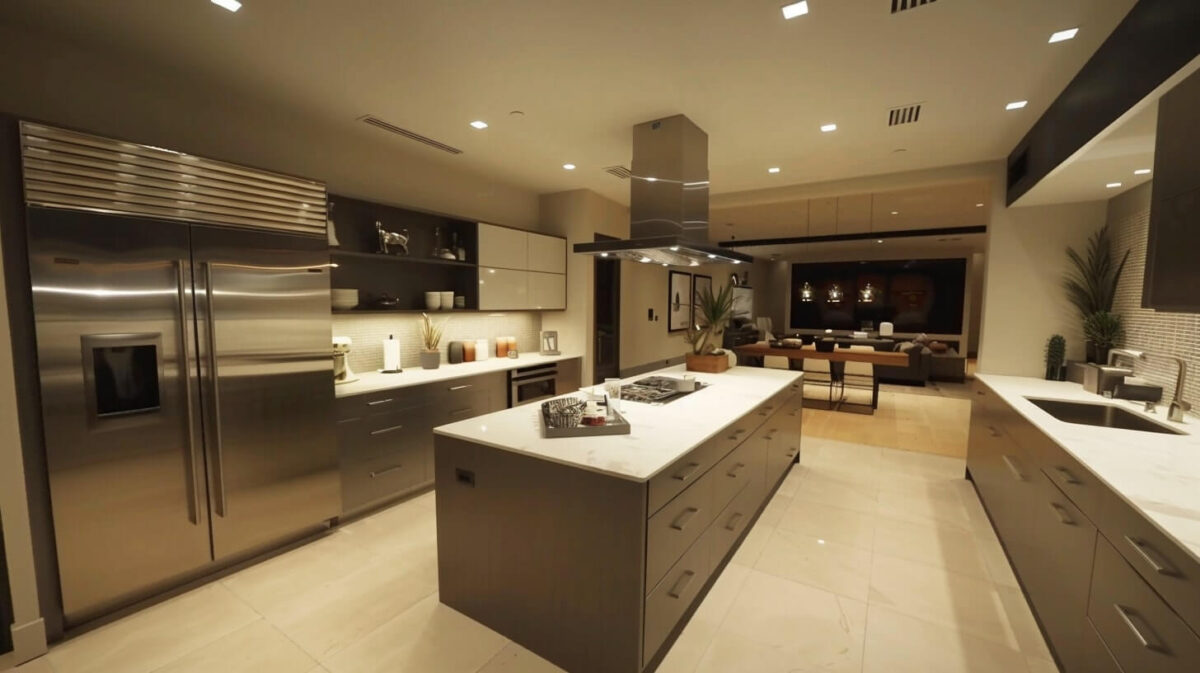
When you’re planning a kitchen remodel in Westchester, it’s essential to start with a solid checklist to guide your decisions. You’ll want to define your kitchen goals clearly, set a realistic budget, and choose a design style that fits your home’s aesthetic. Selecting the right materials and finishes can make all the difference, and hiring experienced professionals is crucial for a successful outcome. But before you jump in, let’s explore the critical steps that can help you avoid common pitfalls and ensure your project aligns with your vision.

Define Your Kitchen Goals

When it comes to a kitchen remodel, everyone has unique goals in mind. You might want a more functional space, improved aesthetics, or increased storage.

Start by identifying what you truly need. Consider how you use your kitchen daily. Do you love cooking and need more counter space? Or do you entertain often and want an open layout?

Think about the style you envision, whether modern, rustic, or traditional. Jot down your must-haves, like a larger island or upgraded appliances.

Prioritize these goals to guide your project. By clearly defining your kitchen goals, you’ll create a focused vision that drives your decisions and ensures you end up with a space that meets your lifestyle and preferences perfectly.

Set a Realistic Budget

With your kitchen goals clearly defined, it’s time to set a realistic budget that aligns with those objectives.

Start by determining how much you can afford to spend without stretching your finances too thin. Factor in all costs, including materials, labor, and unexpected expenses that might arise. It’s wise to allocate about 10-20% of your budget for contingencies.

Research average costs for the specific upgrades you want, like cabinets, countertops, and appliances, to create a clear picture.

Don’t forget to consider the potential return on investment, especially if you plan to sell your home in the future.

Choose Your Design Style

Designing your kitchen is an exciting step that greatly influences its overall look and feel. Start by considering your personal taste and how you want your space to function.

Are you drawn to a modern aesthetic with sleek lines, or do you prefer a cozy farmhouse vibe? Maybe you lean toward a timeless traditional style or a bold eclectic approach.

Once you’ve pinpointed your design style, visualize how elements like cabinetry, countertops, and lighting will complement each other.

Don’t forget to think about how your kitchen connects to the rest of your home. Choosing a cohesive design style not only enhances your kitchen but also creates a welcoming atmosphere throughout your living space.

Trust your instincts, and have fun with this creative process!

Select Materials and Finishes

Selecting materials and finishes is crucial in bringing your kitchen design to life. You’ll want to consider durability, maintenance, and aesthetics when choosing countertops, cabinets, and flooring.

For countertops, quartz and granite offer stunning looks and resilience, while laminate provides budget-friendly options.

When it comes to cabinets, think about wood species and finishes; painted or stained wood can dramatically affect your kitchen’s vibe.

Don’t overlook flooring—tile, hardwood, and vinyl each have unique benefits.

Lastly, select finishes like faucets and handles that complement your overall design. Aim for a cohesive look that reflects your style, ensuring every element works together harmoniously.

Hire the Right Professionals

After finalizing your materials and finishes, the next step is to hire the right professionals who can bring your vision to life.

Start by researching local contractors, designers, and specialists with strong portfolios and positive reviews. Set up interviews to discuss your project and gauge their expertise.

Ask about their experience with similar remodels and ensure they understand your style and needs. Don’t forget to check their licenses and insurance to protect yourself.

Request detailed estimates and timelines to avoid surprises later. It’s essential to create a good rapport with the team you choose, as communication is key to a successful remodel.

Trust your instincts, and don’t hesitate to ask for references to ensure you’re making the right choice.

Frequently Asked Questions

How Long Does a Typical Kitchen Remodel Take?

A typical kitchen remodel takes about six to twelve weeks.

You’ll need to consider factors like design complexity, contractor availability, and any unexpected issues that might arise during the process.

Planning helps you stay on track.

What Permits Are Needed for a Kitchen Remodel in Westchester?

You’ll likely need building permits, electrical permits, and plumbing permits for your kitchen remodel.

Check with your local government to ensure you have everything before starting, as regulations can vary significantly in Westchester.

How Can I Minimize Disruption During the Renovation?

To minimize disruption during your renovation, set clear communication with your contractors.

Establish a designated workspace, schedule work hours that suit you, and keep essential items accessible.

Planning ahead can really help maintain your daily routine.

Are There Specific Regulations for Kitchen Remodels in Westchester?

Yes, there are specific regulations for kitchen remodels in Westchester.

You’ll need to check local building codes, permits, and zoning laws to ensure compliance.

It’s crucial to consult with professionals familiar with these regulations.

What Should I Do With My Kitchen During Renovations?

During renovations, you should clear out your kitchen, pack away non-essential items, and set up a temporary cooking area.

Consider using a microwave or slow cooker to make meal prep easier while you wait.

Conclusion

By following this ultimate checklist for your kitchen remodel in Westchester, you’re setting yourself up for success. Defining your goals, sticking to a budget, choosing a design style, selecting quality materials, and hiring the right professionals will help you achieve the kitchen of your dreams. Take the time to plan carefully, and you’ll enjoy a space that’s not only functional but also reflects your personal style for years to come. Happy remodeling!

Categories
Blog

Why General Contractors Are Essential for Home Remodeling

When you consider a home remodeling project, you might underestimate the complexities involved in making it successful. General contractors are crucial, as they handle everything from coordinating subcontractors to ensuring compliance with local building codes. Their expertise not only helps maintain your budget but also alleviates the stress of managing multiple tasks. By acting as a single point of contact, they streamline the process, but there’s more to it than just convenience. Understanding their role can significantly impact your project’s outcome, and you may be surprised by what you discover about their true value.

Expertise in Project Management

When it comes to home remodeling, you can count on general contractors to take charge of project management with expertise. They coordinate every aspect of your project, ensuring that timelines are met and work flows smoothly.

You won’t have to worry about juggling multiple subcontractors or scheduling conflicts; your general contractor handles all that for you. They’ll communicate with suppliers, monitor progress, and address any issues that arise.

Their experience allows them to foresee potential challenges, allowing for proactive solutions. Additionally, they keep you informed, making sure you’re part of the decision-making process.

Cost Efficiency and Budget Control

Cost efficiency and budget control are crucial elements of any home remodeling project, and a skilled general contractor ensures you stay on track.

They’ll help you set a realistic budget from the start, guiding you through potential costs and avoiding unexpected expenses. By managing timelines and resources effectively, they minimize waste and maximize value.

A general contractor also negotiates with suppliers and subcontractors, leveraging relationships to secure better pricing without compromising quality. This expertise means you won’t overspend on materials or labor, helping you keep your project aligned with your financial goals.

With their oversight, you’ll have peace of mind knowing every dollar is accounted for, allowing you to focus on transforming your home without breaking the bank.

Access to Skilled Subcontractors

Having a skilled general contractor on your side means you gain access to a network of experienced subcontractors. These professionals specialize in various trades, from plumbing and electrical work to carpentry and tiling.

When you hire a general contractor, you’re not just getting a project manager; you’re tapping into their established relationships with these skilled workers. This can save you time and stress, as they know who’s reliable and can deliver quality work within your timeline.

Plus, a general contractor can coordinate the subcontractors, ensuring everyone works seamlessly together. You won’t have to worry about finding qualified help on your own or dealing with scheduling conflicts.

Instead, you can focus on bringing your remodeling vision to life with expert hands.

Knowledge of Building Codes

A solid understanding of building codes is crucial for any successful home remodeling project. These codes ensure safety, structural integrity, and compliance with local regulations.

When you hire a general contractor, they bring expertise in navigating these complex codes, saving you from potential legal issues and costly mistakes. They know which permits you need and can handle inspections, making the process smoother for you.

Additionally, staying compliant with building codes can enhance your home’s value and appeal to future buyers. You don’t want to risk fines or having to redo work that doesn’t meet standards.

Stress Reduction for Homeowners

Navigating a home remodeling project can be overwhelming, but hiring a general contractor can significantly reduce your stress. They handle all the details, from coordinating subcontractors to managing timelines and budgets. You won’t have to worry about scheduling conflicts or unexpected delays, as your contractor ensures everything runs smoothly.

Having a single point of contact means you can communicate your needs and concerns more effectively, eliminating confusion.

General contractors also bring experience to the table, solving issues before they escalate. Plus, they’re familiar with local regulations, so you won’t face any surprises with permits.

Frequently Asked Questions

How Do I Choose the Right General Contractor for My Project?

To choose the right general contractor, research their credentials, read reviews, and ask for references.

Meet potential candidates in person, discuss your project, and ensure they communicate well.

Trust your instincts throughout the selection process.

What Is the Typical Timeline for a Home Remodeling Project?

A typical home remodeling project timeline varies, but it usually ranges from a few weeks to several months.

Factors like project size, complexity, and contractor availability can influence how long it’ll take to complete.

Can a General Contractor Help With Design Ideas?

Yes, a general contractor can definitely help with design ideas.

They often have experience and knowledge of current trends, materials, and techniques.

You’ll benefit from their expertise, ensuring your vision becomes a reality while staying functional.

What Are the Payment Structures for Remodeling Projects?

For remodeling projects, you typically encounter fixed-price contracts, cost-plus contracts, or hourly rates.

Fixed-price offers clarity, while cost-plus allows flexibility.

It’s crucial to discuss payment structures upfront to avoid surprises later in the process.

How Do General Contractors Handle Unexpected Issues During Remodeling?

When unexpected issues arise during remodeling, you’ll find general contractors assess the situation quickly.

They communicate with you, adjust the project plan, and implement effective solutions, ensuring the work continues smoothly and minimizes disruptions.

Conclusion

In conclusion, hiring a general contractor for your home remodeling project is a smart move. Their expertise in project management, cost efficiency, and access to skilled subcontractors not only ensures a smooth process but also keeps your budget on track. With their knowledge of building codes, you can avoid legal headaches, and their support significantly reduces your stress. By trusting a general contractor, you’re setting yourself up for a successful and rewarding transformation of your home.

Categories
Blog

Understanding Bathroom Remodeling Costs in Westchester County

When you start planning a bathroom remodel in Westchester County, it’s essential to grasp the various factors that influence costs. From the size of your space to the specific fixtures you choose, each decision can significantly impact your budget. You might find that mid-range projects typically fall between $15,000 and $25,000, but that’s just the beginning. Understanding how labor costs and unexpected expenses fit into the equation could make all the difference in your renovation journey. So, what should you prioritize to keep your project on track and within budget?

Key Factors Affecting Costs

When planning a bathroom remodel in Westchester County, several key factors can significantly impact your costs.

First, the size of your bathroom plays a crucial role; larger spaces often demand more materials and labor. Additionally, your choice of fixtures and finishes will affect your budget. High-end tiles, faucets, and vanities can quickly escalate expenses.

Labor costs also vary based on the complexity of your project and the experience of the contractors you hire. Don’t forget about permits and inspections, which may be required depending on the scope of your remodel.

Lastly, unexpected issues like plumbing or electrical problems can arise, leading to additional costs. Being aware of these factors will help you plan more effectively and manage your budget.

Average Cost Breakdown

Breaking down the average costs of a bathroom remodel in Westchester County helps you understand where your budget will go.

Typically, you can expect to spend around $15,000 to $25,000 for a mid-range remodel. Labor usually accounts for 20-35% of the total cost, while fixtures and materials make up the bulk of your expenses.

For instance, vanities and countertops can range from $1,000 to $3,000, and plumbing upgrades might set you back anywhere from $500 to $2,000.

Don’t forget about permits and potential unforeseen costs, which can add another 10% to your budget.

Material Choices and Their Impact

Choosing the right materials for your bathroom remodel can significantly influence both the aesthetic and cost of the project. When selecting tiles, countertops, and fixtures, you’ll want to balance style with durability.

For instance, natural stone can add luxury but often comes with a higher price tag, while ceramic tiles offer a more budget-friendly option.

Don’t overlook the importance of finishes, either; they can dramatically change the look without a substantial cost increase. Consider water-resistant materials, especially for vanities and cabinets, to ensure longevity.

Labor Costs in Westchester

Labor costs in Westchester can significantly impact your bathroom remodeling budget, often accounting for a large portion of the total expenses.

When hiring contractors, you’ll find that rates can vary based on their experience, reputation, and the complexity of your project. Generally, skilled labor costs range from $50 to $150 per hour, depending on the scope of work.

Keep in mind that specialized trades, like plumbers and electricians, may charge even more. It’s essential to get multiple quotes to ensure you’re getting a fair price.

Additionally, consider the timeline of your project; delays can increase labor costs as contractors may charge for extended hours. Planning ahead can help you manage these expenses effectively.

Budgeting Tips for Homeowners

Successful bathroom remodeling often hinges on effective budgeting, so it’s crucial to approach your finances with a clear plan.

Start by determining your total budget and stick to it. Prioritize must-haves versus nice-to-haves—this helps avoid overspending on non-essentials.

Research average costs for materials and labor in Westchester County to set realistic expectations. Don’t forget to factor in unexpected expenses; it’s wise to allocate about 10% of your budget for contingencies.

Get multiple quotes from contractors to ensure you’re getting a fair price. Finally, consider DIY options for smaller tasks, but know your limits to avoid costly mistakes.

Frequently Asked Questions

How Long Does a Typical Bathroom Remodel Take in Westchester County?

A typical bathroom remodel usually takes about three to six weeks, depending on the complexity of the project.

You’ll need to consider factors like design choices, contractor availability, and any unexpected issues that may arise.

Are Permits Required for Bathroom Renovations in Westchester County?

Yes, you’ll need permits for bathroom renovations in Westchester County.

It’s essential to check local regulations before starting your project, as they’ll ensure your renovation complies with safety and building codes.

Don’t skip this step!

Can I Remodel My Bathroom Myself to Save Money?

Yes, you can remodel your bathroom yourself to save money.

Just be sure to research the necessary skills and tools, and consider your time commitment.

It’s a rewarding project if you’re prepared and informed.

What Financing Options Are Available for Bathroom Remodeling Projects?

You’ve got several financing options for your bathroom remodel.

Consider personal loans, home equity lines of credit, or contractor financing.

Each option has its pros and cons, so weigh them carefully before deciding.

How Do I Choose a Reliable Contractor in Westchester County?

To choose a reliable contractor, research local reviews, ask for referrals, and check credentials.

Interview multiple candidates, compare quotes, and ensure they communicate well.

Trust your instincts; a good contractor should feel right for your project.

Conclusion

In conclusion, understanding bathroom remodeling costs in Westchester County is crucial for your project’s success. By considering key factors like size, materials, and labor, you can create a realistic budget. Remember to account for permits and potential surprises along the way. With careful planning and informed decisions, you’ll be well-prepared to transform your bathroom into a beautiful and functional space that meets your needs without breaking the bank. Happy remodeling!