
Categories
Blog

Basement Renovations: Why Hiring a Home Contractor in Yonkers, NY is Essential

When you consider renovating your basement in Yonkers, NY, hiring a home contractor isn’t just a suggestion; it’s a necessity. A qualified contractor not only streamlines the renovation process but also ensures your project complies with local building codes, which can save you from potential headaches down the line. Moreover, their expertise can help you avoid costly mistakes that often arise in DIY projects. So, how do you find the right contractor who can turn your vision into a reality without breaking the bank?

Understanding Basement Renovations

When it comes to basement renovations, many homeowners in Yonkers, NY, often underestimate the potential of this underutilized space. You might see it as just storage, but with the right vision, it can become a cozy living area, a home office, or even a guest suite.

Start by assessing your basement’s layout and identifying any structural issues that need addressing. Consider the natural light, ventilation, and moisture control, as these factors significantly impact your renovation plans.

You’ll also want to think about the overall design—what style resonates with you? Whether you’re aiming for a modern look or a rustic charm, understanding your basement’s potential is the first step toward transforming it into a functional and inviting area.

Benefits of Hiring a Contractor

Transforming your basement into a functional space can be an exciting project, but navigating the complexities of renovations can be overwhelming.

Hiring a contractor brings invaluable expertise to the table. They understand the ins and outs of the renovation process, ensuring that your project runs smoothly and stays on track.

With a contractor, you’ll benefit from their network of suppliers and skilled labor, which can save you time and money. They can also help you avoid costly mistakes and make informed decisions about materials and design.

Plus, a contractor’s oversight means you can focus on your vision while they handle the details.

In short, hiring a contractor makes your basement renovation more efficient, cost-effective, and stress-free.

Navigating Local Building Codes

Navigating local building codes can feel daunting for homeowners embarking on a basement renovation in Yonkers.

You’ll need to familiarize yourself with regulations regarding ceiling height, egress windows, and electrical installations. These codes ensure safety and can significantly impact your renovation plans.

Hiring a knowledgeable home contractor can simplify this process. They understand the specific requirements for Yonkers and can help you avoid costly mistakes.

Your contractor will handle permits and inspections, ensuring your project complies with all local laws. This not only saves you time but also reduces the stress of dealing with bureaucratic hurdles.

Cost Considerations and Budgeting

Budgeting for your basement renovation in Yonkers involves more than just the initial project costs; you’ll need to consider a range of factors that can affect your overall spending.

First, think about the materials you want to use—opt for quality options that fit your budget but won’t compromise durability.

Don’t forget to include costs for permits, inspections, and potential unexpected repairs. Labor costs can vary significantly, so get multiple estimates to find a fair price.

Also, factor in design elements like lighting and flooring, which can influence your budget.

Lastly, it’s wise to set aside an emergency fund, typically 10-15% of your total budget, to cover unforeseen expenses that may arise during the renovation process.

Choosing the Right Contractor

When it comes to choosing the right contractor for your basement renovation in Yonkers, finding someone you can trust is crucial.

Start by researching local contractors and checking their credentials. Look for licenses, insurance, and positive reviews from past clients.

Schedule interviews with a few candidates to gauge their expertise and communication style. Ask for detailed estimates and timelines to ensure transparency.

Don’t hesitate to request references and examples of their previous work to assess quality. It’s also wise to discuss your specific needs and vision for the basement.

Frequently Asked Questions

What Are Common Basement Renovation Mistakes to Avoid?

When renovating your basement, avoid underestimating costs, neglecting proper insulation, or ignoring moisture issues.

Don’t rush design choices or skip permits.

These mistakes can lead to expensive repairs and decreased home value in the future.

How Long Does a Typical Basement Renovation Take?

A typical basement renovation takes about 4 to 8 weeks, depending on the scope of work.

You’ll need to consider factors like design complexity, permits, and contractor availability, which can all influence the timeline.

Can I Live in My House During Renovations?

You can live in your house during renovations, but it might get noisy and messy.

Consider designating a specific area for yourself, and be prepared for some inconvenience while the work is ongoing.

What Materials Are Best for Basement Flooring?

When choosing basement flooring, consider moisture-resistant materials like vinyl, tile, or engineered wood.

These options provide durability and can withstand humidity, ensuring your space remains comfortable and functional while enhancing the overall aesthetic of your home.

How Can I Maximize Basement Natural Light?

To maximize natural light in your basement, consider adding larger windows or glass doors.

Reflective surfaces, light colors, and strategically placed mirrors can also enhance brightness, making the space feel more open and inviting.

Conclusion

In conclusion, hiring a home contractor for your basement renovation in Yonkers, NY, is a smart move. They’ll help you navigate local building codes, manage your budget, and bring your vision to life with their expertise. With the right contractor by your side, you can transform your basement into a stylish, functional space that adds value to your home. Don’t underestimate the importance of professional help—your dream basement is just a call away!
Categories
Blog

Renovation Delays: What General Contractors in Yonkers, NY Want You to Know

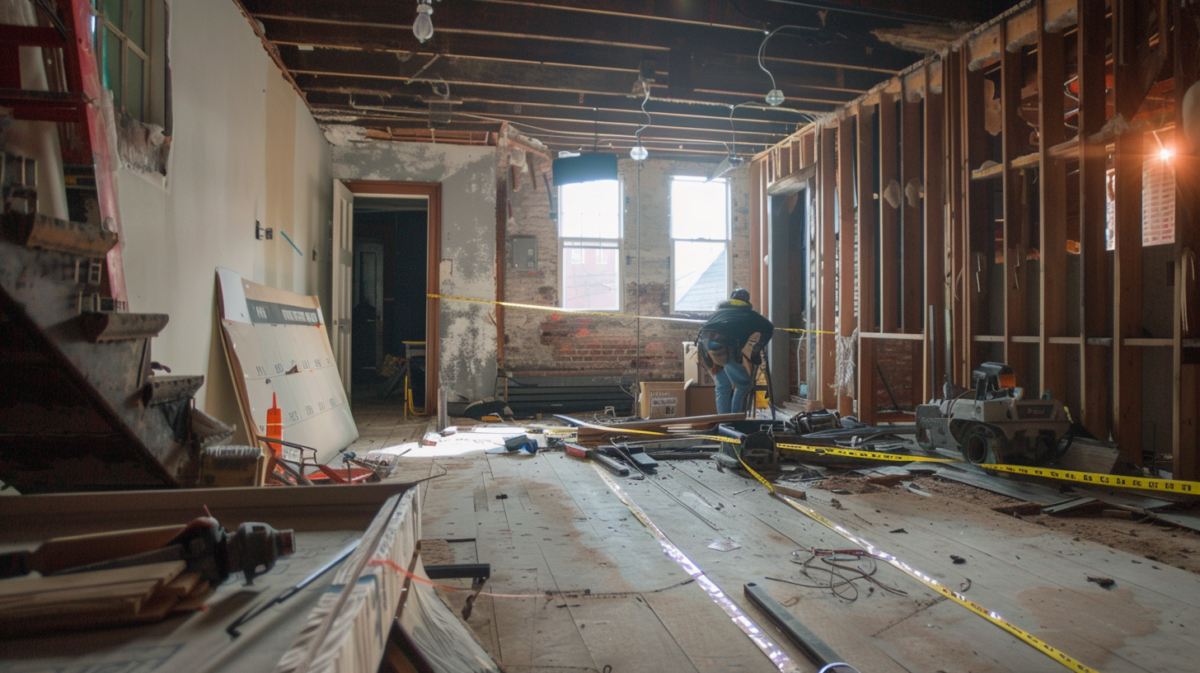
If you’re planning a renovation in Yonkers, NY, you might be surprised by the various factors that can lead to delays. General contractors often face unexpected structural issues, supply chain challenges, and permitting hurdles that can throw your timeline off course. Understanding these common pitfalls is essential, but effective communication with your contractor is equally important. So, how can you better navigate these complexities to ensure your project stays on track? The following insights could make a significant difference in your renovation experience.

Common Causes of Delays

Experiencing renovation delays can be frustrating, and several common causes often contribute to these setbacks.

First, unexpected structural issues can arise once you start tearing down walls, leading to unplanned repairs.

Weather conditions can also play a significant role; heavy rain or snow can halt progress.

Additionally, contractor scheduling conflicts may arise if your team is juggling multiple projects, causing your renovation to be pushed back.

Poor communication can lead to misunderstandings about timelines and expectations, resulting in further delays.

Finally, changes in design or scope, whether initiated by you or the contractor, can disrupt the original schedule.

Recognizing these potential hurdles can help you better prepare and navigate your renovation project effectively.

Supply Chain Challenges

Supply chain challenges can significantly impact renovation timelines, often causing unexpected delays. When you’re planning a project, you mightn’t realize how crucial timely deliveries are for materials and equipment.

If suppliers face issues—like shortages or transportation delays—it can stall your entire renovation process. You may find yourself waiting weeks for essential items, which pushes back your completion date.

Additionally, if you’re relying on specific brands or products, they mightn’t be readily available, forcing you to consider alternatives that could change your design plans.

To mitigate these risks, it’s wise to stay in close contact with your contractor and suppliers, ensuring they’re aware of any potential issues ahead of time. This proactive approach can help keep your project on track.

Permitting and Regulatory Issues

Renovation projects often stall due to permitting and regulatory issues, which can be just as frustrating as supply chain delays.

You’ll need to navigate a maze of local building codes, zoning laws, and environmental regulations. Each project requires specific permits, and the approval process can be lengthy, sometimes taking weeks or even months.

It’s crucial to ensure all paperwork is complete and submitted correctly to avoid additional setbacks. Don’t overlook the importance of consulting with your contractor; they often have experience dealing with these requirements.

Staying informed about the necessary permits can save you time and money, helping your project stay on track. Ultimately, understanding these issues upfront can prevent significant delays down the road.

Communication With Contractors

Effective communication with contractors is crucial to keeping your renovation project on schedule. When you’re clear about your expectations, timelines, and budget, it helps avoid misunderstandings that could lead to delays.

Regular check-ins are essential; don’t hesitate to ask questions or request updates on progress. If something isn’t meeting your standards, address it immediately to prevent further issues.

Use various communication methods—phone calls, emails, or in-person meetings—to ensure everyone stays on the same page. Make sure to document important conversations for future reference.

Establishing a good rapport with your contractors fosters an environment where they’re more likely to prioritize your project. Remember, open lines of communication can make all the difference in achieving a successful renovation.

Tips for Homeowners

Keeping open lines of communication with your contractors sets a strong foundation for your renovation. Be clear about your expectations, timelines, and budget from the start. Regular check-ins can help you stay informed about progress and potential issues.

Don’t hesitate to ask questions or voice concerns; it’s better to address them early.

Create a realistic timeline, accounting for potential delays, and remain flexible when adjustments are necessary. Understand that unexpected issues can arise, so having a buffer in your budget can alleviate stress.

Document everything, from agreements to changes, to avoid misunderstandings later. Finally, trust your contractors’ expertise; they know the best practices for your project.

Following these tips helps ensure a smoother renovation experience.

Frequently Asked Questions

How Do Weather Conditions Affect Renovation Timelines?

Weather conditions can significantly impact renovation timelines.

You might face delays due to rain, snow, or extreme temperatures, which can hinder outdoor work.

Planning for these factors helps you stay on track with your project.

What Should I Do if My Contractor Is Unresponsive?

If your contractor’s unresponsive, try reaching out via multiple communication methods.

Document your attempts, and after a few days of silence, consider discussing your concerns directly or searching for another professional who values communication.

Are There Specific Seasonal Delays in Yonkers Renovations?

Yes, there are seasonal delays in Yonkers renovations.

Winter’s harsh weather can slow progress, while summer’s high demand often leads to scheduling conflicts.

Planning your project during off-peak seasons can help minimize these delays.

Can I Work on Other Projects During Delays?

Yes, you can work on other projects during delays.

Use this time to plan, gather materials, or tackle smaller tasks that enhance your overall project.

Stay productive while waiting for your renovation to resume.

How Can I Prepare for Unforeseen Renovation Issues?

You can prepare for unforeseen renovation issues by establishing a clear budget, maintaining open communication with your contractor, and having contingency plans in place.

Don’t forget to stay organized and document all changes throughout the process.

Conclusion

In summary, renovation delays can be frustrating, but understanding the common causes can help you navigate the process. By staying aware of supply chain challenges, permitting issues, and the importance of clear communication with your contractor, you can set realistic expectations. Remember, fostering an open dialogue will pave the way for a smoother renovation experience. With these tips in mind, you can minimize delays and enjoy your dream home sooner rather than later.

Categories
Blog

What Homeowners in Yonkers, NY Should Know About Contractor Insurance and Licensing

As a homeowner in Yonkers, NY, you need to understand the significance of contractor insurance and licensing. Not only do these elements protect your investment, but they also ensure that your project runs smoothly and meets legal requirements. Knowing the types of insurance contractors should have and the licensing process can save you from potential headaches down the line. But how can you verify a contractor’s credentials and what are the risks of hiring someone unlicensed? The answers could influence your next home improvement decision significantly.

Importance of Contractor Insurance

Contractor insurance is often a crucial aspect of running a successful business. It protects you from unexpected financial burdens that can arise from accidents, damages, or legal claims during a project.

Without this coverage, you risk losing not only your hard-earned money but also your reputation. When potential clients see that you’re insured, they’ll feel more confident in hiring you for their projects. It demonstrates professionalism and commitment to safety.

Additionally, many clients, especially larger businesses, require proof of insurance before considering your services. In a competitive market like Yonkers, being properly insured can set you apart from others and attract more clientele.

Ultimately, investing in contractor insurance is a smart move for safeguarding your business’s future.

Types of Contractor Insurance

Understanding the various types of contractor insurance is essential for any professional in the field.

The most common coverage is general liability insurance, which protects you from claims of bodily injury or property damage.

Then there’s workers’ compensation insurance, which covers medical expenses and lost wages for employees injured on the job.

You might also consider commercial auto insurance if you use vehicles for business purposes, as it protects against accidents and damages.

Additionally, professional liability insurance safeguards you against claims of negligence or mistakes in your work.

Finally, builder’s risk insurance is crucial for protecting your projects while they’re under construction.

Knowing these types helps you choose the right coverage to safeguard your business and clients.

Understanding Licensing Requirements

Before starting any work, you need to be aware of the licensing requirements in Yonkers, NY. Contractors must obtain a valid license from the City of Yonkers to operate legally. This typically involves completing an application, providing proof of insurance, and possibly passing a trade exam.

Make sure you understand the specific type of license your contractor needs, as requirements can vary based on the type of work being performed. Additionally, check if any specialty licenses are necessary for certain projects, like electrical or plumbing work.

Always keep in mind that hiring an unlicensed contractor can lead to complications, including potential fines and issues with project quality. Ensuring your contractor meets these requirements protects your investment and ensures a smoother renovation experience.

Verifying Contractor Credentials

Verifying a contractor’s credentials is essential to ensure you’re hiring a qualified professional for your project.

Start by checking their license status with the New York State Department of State. This confirms they’re legally allowed to work in your area.

Next, ask for proof of insurance. A reputable contractor should carry general liability and workers’ compensation insurance to protect you from potential liabilities.

Don’t forget to request references and review their past work. Contacting previous clients gives you insights into their reliability and work quality.

Finally, read online reviews to gauge their reputation in the community.

Taking these steps helps you make an informed decision, ensuring your project is in trustworthy hands.

Consequences of Unlicensed Work

Hiring an unlicensed contractor can lead to serious consequences that you mightn’t anticipate.

First, you could face legal issues; unlicensed work is often illegal, and you may be held liable for any damages caused. If something goes wrong, you won’t have legal recourse to recover costs.

Additionally, your homeowner’s insurance mightn’t cover damages from unlicensed work, leaving you financially exposed. You might also experience inferior workmanship, leading to costly repairs down the line.

Furthermore, if you decide to sell your home, unpermitted work can complicate the sale, resulting in lower offers or requiring costly remediation.

To protect your investment and ensure quality work, always verify a contractor’s license and insurance before hiring.

Frequently Asked Questions

How Much Does Contractor Insurance Typically Cost in Yonkers?

Contractor insurance in Yonkers typically ranges from $500 to $2,000 annually, depending on coverage and business size.

You should compare quotes, consider your specific needs, and factor in industry requirements for accurate budgeting.

Can Homeowners Request Proof of Insurance Before Hiring a Contractor?

Absolutely, you can and should request proof of insurance from contractors before hiring them.

This protects you from potential liabilities and ensures the contractor is qualified to handle your project safely and professionally.

What Documents Are Needed for a Contractor’s Licensing Application?

When applying for a contractor’s license, you’ll need to gather documents like proof of identity, business registration, insurance certificates, and any prior work experience.

Make sure everything’s organized to streamline the application process.

Are There Specific Insurance Requirements for Different Types of Contractors?

Yes, there’re specific insurance requirements based on the contractor’s trade.

For instance, general contractors typically need liability insurance, while electricians may require additional coverage.

Always check local regulations to ensure compliance with your contractor’s insurance needs.

How Often Should Contractors Renew Their Licenses and Insurance?

Contractors should renew their licenses and insurance annually to stay compliant and protect their clients.

Regular updates ensure you’re covered against liabilities and maintain trust with customers, keeping your business running smoothly and legally.

Conclusion

In conclusion, as a homeowner in Yonkers, it’s crucial to prioritize contractor insurance and licensing. By ensuring your contractors have the right coverage and valid licenses, you protect your investment and enhance the quality of your projects. Don’t hesitate to verify their credentials; it’s a smart move that can save you from potential headaches down the line. Remember, hiring licensed and insured contractors isn’t just a choice—it’s a necessity for peace of mind and project success.

Categories
Blog

The Role of a Home Contractor vs. an Architect in Yonkers, NY Renovations

When you’re planning a renovation in Yonkers, NY, understanding the roles of a home contractor and an architect can significantly impact your project’s success. While an architect crafts the vision and ensures it adheres to regulations, the contractor is your go-to for executing that vision on the ground. Their collaboration is essential, but knowing when to engage each professional can be tricky. So, how do you decide which expert to bring on board first, and what factors should guide your choice? The answers might surprise you.

Overview of Home Renovations

Home renovations can transform your living space and enhance your quality of life.

Whether you’re looking to update your kitchen, add a bathroom, or create an outdoor oasis, the possibilities are endless. You’ll want to set a clear budget and timeline before diving into your project.

Consider your needs and preferences; this is your chance to customize your home. Prioritize functionality and aesthetics, ensuring every choice aligns with your lifestyle.

Research materials and styles that appeal to you, and envision how each renovation will improve your daily routine.

Don’t forget, it’s essential to check local building codes and regulations to avoid complications.

With the right planning and execution, your home renovations can result in a space that truly reflects who you are.

Responsibilities of an Architect

Renovating your home often requires the expertise of an architect, who plays a vital role in shaping your vision into reality.

Architects start by meeting with you to understand your needs, preferences, and budget. They translate your ideas into detailed designs, ensuring functionality and aesthetic appeal. Throughout the process, they create blueprints and specifications, which serve as a roadmap for the project.

Architects also navigate building codes and zoning laws, ensuring your renovation complies with local regulations. They collaborate with contractors to clarify design intentions and oversee the project’s progress, addressing any issues that arise.

Ultimately, an architect ensures your renovation isn’t only beautiful but also structurally sound and aligned with your goals.

Responsibilities of a Home Contractor

When it comes to executing a renovation project, a home contractor takes the lead in bringing the architect’s vision to life.

You’ll manage the day-to-day operations, ensuring that the project stays on schedule and within budget. This involves coordinating with subcontractors, suppliers, and laborers to maintain efficient workflow.

You’re also responsible for obtaining permits and ensuring compliance with local building codes. Communication is key, as you’ll need to keep everyone informed about progress and any changes.

Additionally, you’ll conduct regular site inspections to monitor quality and safety standards. By effectively managing resources and timelines, you ensure that the renovation meets both your client’s expectations and the architect’s design.

Your role is crucial in turning plans into reality.

Collaboration Between Professionals

Effective collaboration between the home contractor and architect is vital for the success of any renovation project. When both professionals work together seamlessly, they ensure that your vision is accurately translated into reality.

The architect lays out the design and aesthetic vision, while the contractor brings that vision to life through practical execution. Regular communication helps address challenges early, allowing for adjustments that keep the project on track and within budget.

It’s essential for you to facilitate this collaboration by encouraging open dialogue and setting clear expectations. When your contractor and architect are aligned, you’ll not only achieve a more efficient process but also ensure that the finished space meets your needs and desires.

Strong teamwork leads to remarkable results.

Choosing the Right Expert

Choosing the right expert for your renovation can make all the difference in the success of your project. When deciding between a home contractor and an architect, consider your specific needs.

If you’re looking for someone to manage the overall project and handle day-to-day tasks, a contractor’s your best bet. They’ll coordinate with subcontractors and ensure everything runs smoothly.

However, if your renovation requires complex designs or structural changes, an architect should be your first choice. They’ll provide innovative solutions and create detailed plans.

Evaluate each expert’s portfolio, experience, and communication style to see who aligns best with your vision. Remember, the right fit won’t only enhance your project but also make the process enjoyable and seamless.

Frequently Asked Questions

How Do I Determine My Renovation Budget Effectively?

To determine your renovation budget effectively, start by assessing your finances, prioritizing needs versus wants, and researching costs.

It helps to get quotes from various contractors to understand your options and set realistic expectations.

What Permits Are Required for Home Renovations in Yonkers?

In Yonkers, you’ll need various permits for home renovations, including building, electrical, and plumbing permits.

Check with the local building department to ensure you’ve got everything covered before starting your project.

How Long Does a Typical Renovation Project Take?

A typical renovation project usually takes anywhere from a few weeks to several months, depending on the scope and complexity.

You should plan for potential delays and communicate regularly with your team to stay updated.

Will Renovations Increase My Home’s Value Significantly?

Renovations can boost your home’s value significantly, especially if you focus on key areas like kitchens and bathrooms.

Just remember, quality workmanship and design choices play a crucial role in maximizing that increased value.

What Should I Do if I Encounter Unexpected Issues During Renovations?

When you encounter unexpected issues during renovations, stay calm and assess the situation.

Communicate with your contractor, explore solutions together, and adjust your budget or timeline as needed to ensure a successful project.

Conclusion

In Yonkers, NY, understanding the distinct roles of an architect and a home contractor can make your renovation project smoother and more successful. While the architect crafts the vision, ensuring it meets your needs and local codes, the contractor brings that vision to life, managing the daily tasks and budget. By fostering effective collaboration between these two professionals, you’ll not only enhance your home’s functionality and aesthetics but also enjoy a stress-free renovation experience.