Categories
Blog

How Renovations Impact Home Appraisals in Yonkers, NY

Renovations can greatly enhance your home appraisal in Yonkers, NY. Focus on updating kitchens and bathrooms, as these have high impact. Curb appeal plays an essential role, so keep your landscaping tidy and your exterior fresh. Many buyers look for energy-efficient features, too. Avoid common pitfalls like overspending or neglecting necessary repairs. By making smart updates, you can increase your property’s value considerably. Discover more about the best renovations to evaluate for maximum impact.

Key Renovations That Boost Appraisal Value

When you’re looking to increase your home’s appraisal value, certain renovations can make a considerable impact.

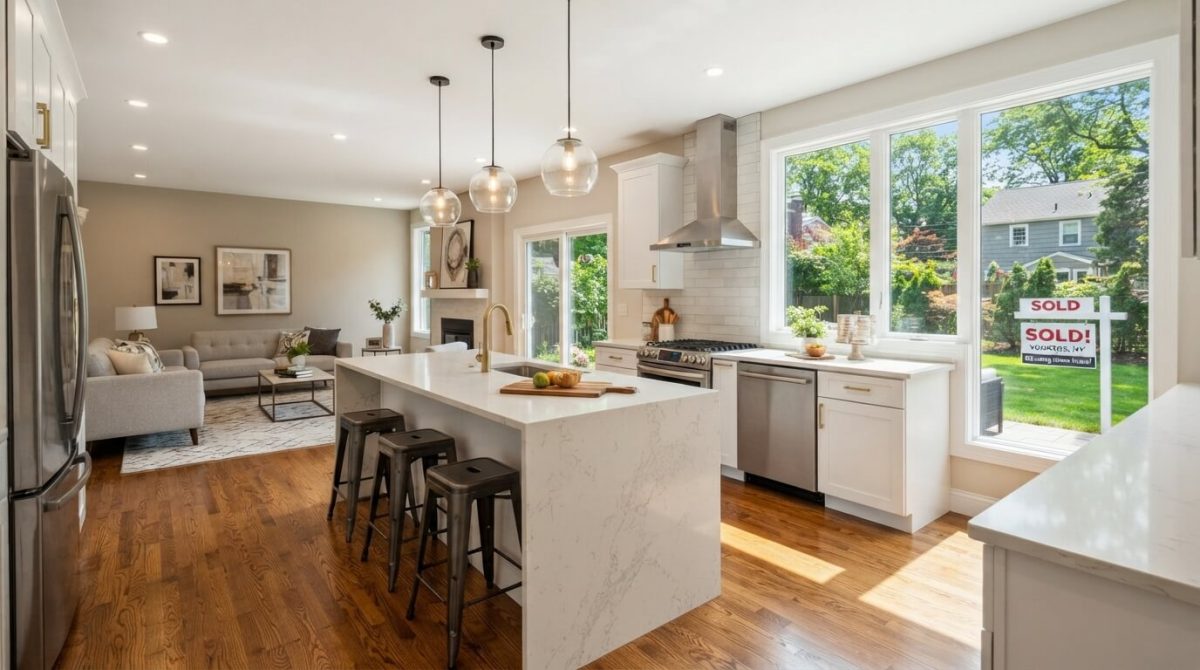
Updating your kitchen is a smart move; modern appliances and fresh countertops can attract buyers.

Don’t overlook bathrooms, either—upgrading fixtures or adding a second bath enhances functionality.

Consider enhancing your home’s energy efficiency too; installing new windows or a smart thermostat can appeal to eco-conscious buyers.

Adding living space, like a finished basement or deck, expands your home’s potential.

Finally, fresh paint in neutral tones creates a welcoming atmosphere, making your property feel more inviting.

These renovations can elevate your home’s overall value considerably.

The Role of Curb Appeal in Appraisals

Curb appeal greatly influences your home’s appraisal value, as it creates the first impression potential buyers and appraisers will have.

When they approach your property, well-maintained landscaping, a fresh coat of paint, and an inviting entryway can set a positive tone. These elements signal that your home is cared for, which can boost perceived value.

Simple improvements like trimming hedges or adding flowers can make a difference.

Remember, an appealing exterior draws attention and encourages appraisers to view your home more favorably, potentially leading to a higher appraisal value.

Invest in your curb appeal to enhance your home’s overall worth.

Understanding Buyer Preferences in Yonkers

Understanding buyer preferences in Yonkers is essential for homeowners looking to maximize their property’s appeal.

Many buyers in this area seek modern, open layouts that enhance natural light and flow. Outdoor spaces, like decks or gardens, are highly desirable for entertaining and relaxation.

Additionally, updated kitchens and bathrooms often catch a buyer’s eye, as these rooms greatly influence overall satisfaction. Energy-efficient features and smart home technology are also gaining traction, reflecting a growing interest in sustainability.

Common Renovation Pitfalls to Avoid

Homeowners aiming to enhance their property’s appeal must be cautious about common renovation pitfalls that can undermine their efforts.

One major mistake is over-personalizing spaces, which can alienate potential buyers.

Another is neglecting necessary repairs before starting cosmetic updates; fixing structural issues first is essential.

Additionally, underestimating costs can lead to budget overruns, so always plan for unexpected expenses.

Finally, skipping permits may save time initially but can cause legal headaches later.

By avoiding these pitfalls, you’ll guarantee your renovations positively impact your home’s value and appraisal.

Stay informed and deliberate in your choices to maximize your investment.

Tips for Maximizing Your Renovation Investment

While it’s easy to get swept up in the excitement of renovations, focusing on smart investments can greatly boost your property’s value.

Start by prioritizing high-impact areas like kitchens and bathrooms, as they often yield the best returns. Choose neutral colors and timeless designs to appeal to a broader audience.

Don’t forget about curb appeal; landscaping and exterior updates can make a big difference.

Keep your budget in check by sourcing materials wisely and considering DIY options for smaller projects.

Finally, consult with a local appraiser to understand what features are most valued in your neighborhood.

Frequently Asked Questions

How Long Do Renovations Typically Take Before Affecting Appraisals?

Renovations usually take a few weeks to a few months to affect appraisals.

Once completed, it’s best to wait for a thorough inspection before expecting any changes in your home’s value.

What Types of Renovations May Decrease a Home’s Appraisal Value?

Certain renovations, like overly personalized decor, removing bedrooms, or adding features that don’t match the neighborhood’s style, could decrease your home’s appraisal value.

Focus on improvements that enhance appeal without straying too far from local trends.

How Do Local Market Trends Influence Renovation Returns?

Local market trends directly influence renovation returns by determining buyer demand and preferences.

If you align your renovations with what’s popular, you’ll likely see a better return on investment than if you ignore local trends.

Can DIY Renovations Impact Appraisals Differently Than Professional Work?

Yes, DIY renovations can impact appraisals differently than professional work.

If you’ve done quality work, it might increase value; however, poor execution could lower it.

Appraisers often notice the difference, affecting your home’s perceived worth.

Are There Specific Permits Required for Renovations in Yonkers?

Yes, you’ll need specific permits for renovations in Yonkers.

Depending on the project, you might require building permits, electrical permits, or plumbing permits.

Always check with the local authorities to verify compliance before starting your renovations.

Conclusion

In conclusion, smart renovations can significantly boost your home’s appraisal value in Yonkers. By focusing on key updates, enhancing curb appeal, and understanding what buyers want, you can make informed decisions that pay off. Avoid common pitfalls, and remember to budget wisely. With the right approach, you’ll maximize your investment and ensure your home stands out in the competitive market. So, get started on those renovations and watch your property value soar!
Categories
Blog

How Contractors Handle Unexpected Issues During Renovations

Contractors handle unexpected issues during renovations by spotting hidden problems early, like water damage or structural weaknesses. They prioritize open communication with you, keeping you updated on challenges and solutions. Creative problem-solving comes into play, allowing them to explore alternatives and collaborate with their team. When issues arise, they adjust project timelines and budgets while documenting changes. Learning from past experiences helps them refine their strategies, ensuring smoother renovations for everyone involved. Discover more insights to enhance your renovation experience.

Identifying Hidden Issues Early

When you start a project, it’s essential to identify hidden issues early, as tackling problems before they escalate can save time and money.

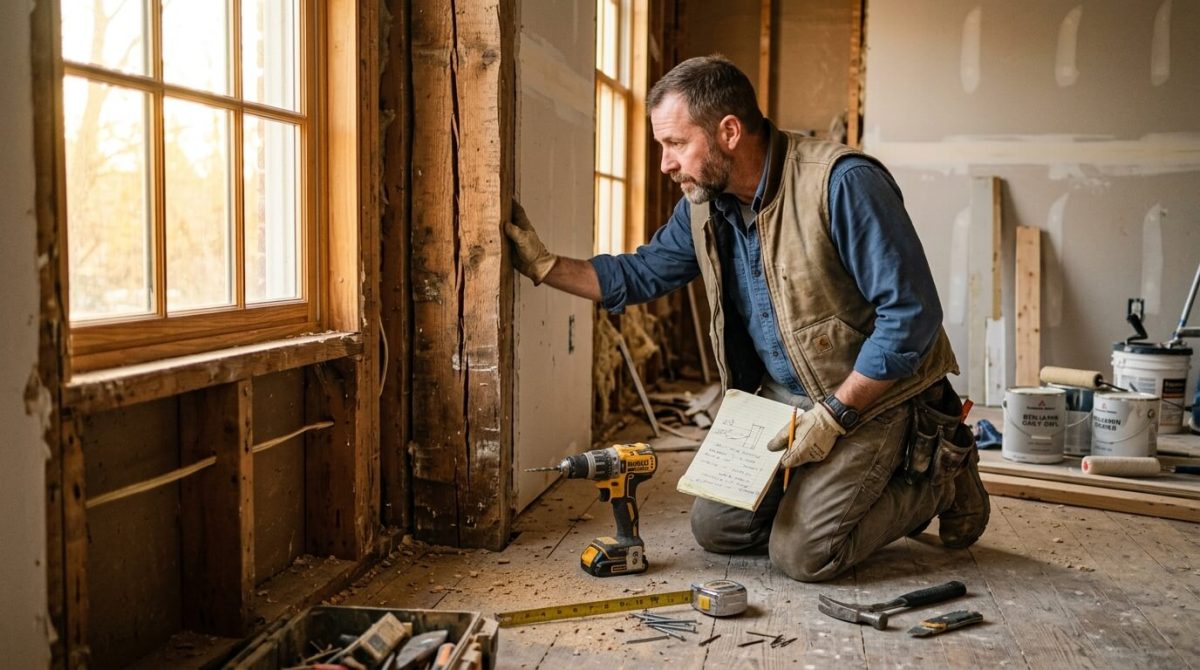
Begin with a thorough inspection of the site, looking for signs of water damage, structural weaknesses, or outdated wiring. Don’t overlook potential hazards lurking behind walls or under floors. Engaging a qualified inspector can uncover these issues early on.

Also, consider past renovations or local building codes that might reveal unexpected complications. By addressing these hidden issues upfront, you’ll create a smoother workflow and minimize costly delays, ensuring your project stays on track and within budget.

Effective Communication With Clients

Effective communication with clients is essential for managing unexpected issues during a project, as it builds trust and fosters collaboration.

You should keep your clients informed about potential challenges and your proposed solutions. Regular updates, whether through emails or calls, help maintain transparency.

Encourage clients to voice their concerns or preferences, ensuring they feel heard and valued. When you explain the reasons behind decisions clearly, it strengthens your relationship.

Remember, effective communication isn’t just about sharing information; it’s about actively listening and adapting to your client’s needs.

This approach will lead to a smoother renovation process and happier clients.

Creative Problem-Solving Techniques

While keeping clients informed helps build trust, it’s also important to tackle unexpected issues head-on with creative problem-solving techniques.

Think outside the box; brainstorm alternatives that could resolve the problem efficiently. Collaborate with your team to leverage diverse perspectives and experiences.

When faced with a roadblock, visualize the end goal, and explore multiple pathways to get there. Don’t hesitate to involve clients in the process, as their feedback can spark innovative ideas.

Adjusting Project Timelines and Budgets

Adjusting project timelines and budgets is vital, especially when unexpected issues arise.

You’ll need to assess the situation quickly, determining how much extra time and money are required. Communicate openly with your team and clients to set realistic expectations.

It’s important to prioritize essential tasks, reallocating resources where necessary. Keep track of all changes, documenting reasons and impacts on the overall project.

This transparency helps maintain trust and allows for smoother adjustments down the line. By staying flexible and proactive, you can navigate these challenges effectively, ensuring your renovation project stays on track despite the hurdles you face.

Learning From Past Experiences

Reflecting on past experiences is essential for contractors maneuvering unexpected issues. By analyzing previous projects, you’ll identify patterns and common pitfalls, which can guide your decision-making in the future.

When faced with surprise challenges, draw on lessons learned to implement effective solutions quickly. Keep a record of what worked and what didn’t to refine your strategies over time.

Encourage open communication with your team, sharing insights from past renovations. This collaborative approach fosters a culture of continuous improvement, ensuring you’re better equipped to tackle any issues that arise.

Ultimately, learning from experience leads to smoother projects and satisfied clients.

Frequently Asked Questions

How Do Contractors Prioritize Unexpected Issues During Renovations?

Contractors prioritize unexpected issues by evaluating their impact on the project timeline and budget.

They communicate with you, making quick decisions to address critical problems first, ensuring renovations stay on track and meet your expectations.

What Types of Hidden Issues Are Most Common in Renovations?

You’ll often encounter hidden issues like plumbing leaks, electrical problems, mold growth, and structural damage.

These surprises can derail timelines and budgets, so staying vigilant during renovations helps you catch them early.

How Do Contractors Handle Client Expectations for Unforeseen Problems?

Contractors manage client expectations by communicating transparently about potential issues, providing detailed timelines, and offering solutions.

They guarantee you understand the process and costs, keeping you informed to reduce anxiety and build trust throughout the renovation.

What Insurance Coverage Is Recommended for Renovation Projects?

For renovation projects, you should consider general liability insurance, workers’ compensation, and builder’s risk coverage.

These policies protect you against potential damages, injuries, and losses, ensuring your project stays on track and financially secure.

How Can Homeowners Prepare for Unexpected Issues in Renovations?

To prepare for unexpected issues in renovations, you should set aside a contingency budget, communicate openly with your contractor, research potential problems, and remain flexible with timelines.

This proactive approach will help minimize stress and delays.

Conclusion

In renovations, unexpected issues can arise, but you can tackle them with confidence. By identifying hidden problems early and maintaining open communication with clients, you’ll foster trust. Embrace creative problem-solving and be flexible with timelines and budgets to keep projects on track. Remember, each challenge is a learning opportunity that can enhance your skills for future projects. With the right approach, you can turn surprises into successes, ensuring a smoother renovation process for everyone involved.

Categories
Blog

How General Contractors in Yonkers, NY Incorporate Aging-in-Place Design Features

General contractors in Yonkers, NY, incorporate aging-in-place design features by prioritizing safety and accessibility. They widen doorways and install grab bars for stability, ensuring homes are more navigable. Bathrooms see upgrades like curbless showers and comfort-height toilets to make daily tasks easier. Open living spaces are created by removing walls and using multi-functional furniture. They also integrate technology, like smart home devices, to streamline tasks. Keep exploring to discover even more innovative solutions for your space.

Understanding Aging-in-Place Design Principles

As you explore aging-in-place design principles, you’ll find they focus on creating spaces that support independence and safety for older adults.

These principles emphasize flexibility, allowing homes to adapt as needs change over time. You’ll notice designs prioritize accessibility, ensuring key areas like kitchens and bathrooms are easy to navigate.

Natural lighting and clear sightlines enhance visibility, promoting safety. Incorporating technology helps streamline daily tasks, while thoughtful layout encourages social interaction.

Ultimately, these principles aim to foster a sense of community and personal empowerment, enabling older adults to live comfortably in their own homes as they age.

Key Features for Accessibility and Safety

When designing for accessibility and safety, incorporating specific features can make a significant difference in the lives of older adults.

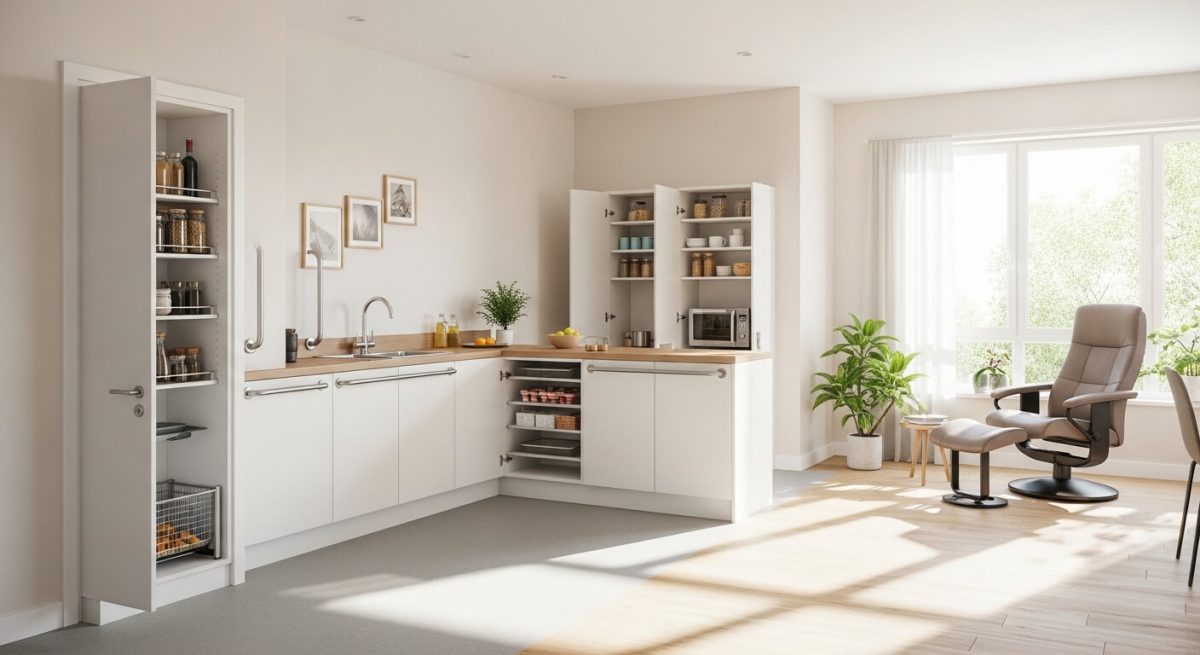
You should consider wider doorways and hallways to accommodate mobility aids. Install lever-style door handles for ease of use, and guarantee that floors are slip-resistant to prevent falls.

Adding grab bars in strategic locations, like near stairs and in living areas, enhances stability.

Good lighting is essential, so use bright, even lighting and avoid shadows.

Finally, think about using smart home technology to allow easy control of devices, improving safety and convenience in daily living.

Innovative Solutions for Bathroom Renovations

How can you transform a bathroom into a safe and stylish space for aging in place?

Start by installing grab bars near the toilet and in the shower, ensuring they blend seamlessly with your décor.

Consider a curbless shower for easy access and slip-resistant tiles for safety.

Wall-mounted vanities can provide additional space while allowing wheelchair access.

You might also opt for a comfort-height toilet to make sitting and standing easier.

Finally, adjustable showerheads and handheld faucets enhance convenience.

With these innovative solutions, you’ll create a functional and inviting bathroom that meets your needs now and in the future.

Creating Open and Functional Living Spaces

Creating open and functional living spaces is essential for aging in place, allowing you to navigate your home with ease and comfort.

To achieve this, consider removing unnecessary walls to create a seamless flow between rooms. Use wide doorways and hallways to accommodate mobility aids, and guarantee that furniture is arranged to prevent obstacles.

Incorporating multi-functional furniture can also save space while enhancing usability. Additionally, ample natural light and neutral color palettes can make spaces feel larger and more inviting.

The Role of Technology in Aging-in-Place Homes

As you embrace the idea of aging in place, leveraging technology becomes essential in enhancing your safety and comfort at home.

Smart home devices, like voice-activated assistants and automated lighting, simplify daily tasks and reduce the risk of accidents.

Security systems with cameras and motion sensors keep you safe while giving you peace of mind.

Wearable health tech can monitor critical signs, alerting caregivers in emergencies.

Additionally, video calling tools help you stay connected with loved ones, combating loneliness.

Frequently Asked Questions

How Much Does Aging-In-Place Design Typically Cost?

Aging-in-place design typically costs between $5,000 and $15,000, depending on your specific needs and modifications.

It’s essential to prioritize features that enhance safety and accessibility while considering your budget and long-term plans.

Can Aging-In-Place Features Be Added to Existing Homes?

Yes, you can add aging-in-place features to existing homes.

Simple modifications like grab bars, wider doorways, and non-slip flooring enhance safety and accessibility, making your home more comfortable and functional as your needs change.

What Permits Are Required for Renovations in Yonkers?

In Yonkers, you’ll typically need a building permit for renovations, especially if you’re altering structural elements.

It’s wise to check with the local building department to guarantee you have all necessary permits before starting your project.

How Long Do Aging-In-Place Renovations Usually Take?

Aging-in-place renovations typically take anywhere from a few weeks to several months, depending on the project’s complexity and scope.

You’ll want to work closely with your contractor to establish a realistic timeline that suits your needs.

Are There Local Resources for Aging-In-Place Consultations?

Yes, you can find local resources for aging-in-place consultations.

Check with community organizations, local health departments, or senior services in your area. They often provide valuable information and guidance tailored to your needs.

Conclusion

Incorporating aging-in-place design features is essential for creating a safe and comfortable home for everyone. By understanding key principles and implementing innovative solutions, like accessible bathrooms and open living spaces, you can enhance your living environment. Embracing technology further supports independence and safety. As you plan your renovations, remember that these thoughtful design choices not only improve your quality of life now but also ensure your home remains functional and welcoming in the future.

Categories
Blog

How to Communicate Effectively with Your General Contractor in Yonkers, NY

To communicate effectively with your general contractor in Yonkers, NY, start by establishing clear project goals and expectations. Maintain open lines of communication through regular check-ins, whether by phone, email, or in-person. Utilize visual aids like sketches and blueprints to illustrate your ideas. Be prepared for flexibility as challenges arise and work collaboratively to find solutions. By fostering a strong partnership, you can guarantee your project stays on track and meets your vision—learn how to build this relationship further.

Establish Clear Project Goals and Expectations

Establishing clear project goals and expectations is essential for a successful partnership with your general contractor. Before any work begins, sit down and outline what you want to achieve.

Define the project scope, timeline, and budget. Share your vision, whether it’s a renovation or new build, and make sure your contractor understands your priorities.

Discuss potential challenges and how you’d like them addressed. This clarity helps avoid misunderstandings down the line.

Keep your goals realistic and achievable, and don’t hesitate to ask questions. When everyone’s on the same page, it sets the foundation for a smooth and efficient project.

Maintain Open Lines of Communication

To guarantee your project runs smoothly, you need to maintain open lines of communication with your general contractor.

Regular check-ins help you stay updated on progress and address any concerns promptly. Don’t hesitate to ask questions or express your thoughts; it’s crucial for both of you to feel comfortable discussing issues as they arise.

Use phone calls, emails, or in-person meetings to keep the dialogue flowing. Establish a routine for updates, whether daily or weekly, to guarantee everyone’s on the same page.

Utilize Visual Aids and Documentation

Visual aids and documentation are powerful tools that can enhance communication with your general contractor. Use sketches, blueprints, or photos to illustrate your ideas clearly.

When discussing project details, having visuals helps avoid misunderstandings and keeps everyone on the same page. Create a folder to store all relevant documents, contracts, and design plans, making it easy to reference them during discussions.

Don’t forget to take notes during meetings to capture important points or changes. This documentation can serve as a helpful record, ensuring that both you and your contractor stay aligned throughout the project.

Clear visuals and organized paperwork streamline collaboration.

Schedule Regular Check-Ins

Maintaining open lines of communication is key to a successful project, and scheduling regular check-ins with your general contractor can help you stay informed and engaged.

Set a consistent schedule—weekly or bi-weekly—depending on your project’s complexity. Use these meetings to discuss progress, address concerns, and clarify expectations.

Be sure to prepare questions or topics beforehand to make the most of your time together. Regular check-ins not only keep you in the loop but also foster a collaborative atmosphere.

Be Prepared for Flexibility and Problem-Solving

While you might’ve a clear vision for your project, unexpected challenges can arise that require you to be flexible and ready to problem-solve.

Embrace changes and collaborate with your contractor to find solutions. If delays or unforeseen issues pop up, don’t panic; instead, focus on how to adapt.

Keep an open line of communication, and actively listen to your contractor’s suggestions. They often have valuable insights to help you navigate obstacles.

Frequently Asked Questions

What Should I Do if I Disagree With My Contractor’s Approach?

If you disagree with your contractor’s approach, voice your concerns clearly and respectfully.

Discuss alternatives, ask for their reasoning, and seek a compromise.

Open dialogue often leads to better solutions and strengthens your working relationship.

How Can I Assess My Contractor’s Previous Work Quality?

You can assess your contractor’s previous work quality by reviewing their portfolio, checking online reviews, and visiting completed projects.

Don’t hesitate to ask for references and speak directly with past clients about their experiences.

What Are the Common Red Flags in Contractor Communication?

Common red flags in contractor communication include vague answers, missed deadlines, lack of responsiveness, and avoiding direct questions.

If you notice these behaviors, it’s essential to address them before proceeding with your project.

How Do I Handle Unexpected Costs During the Project?

When unexpected costs arise, address them promptly.

Ask your contractor for a detailed explanation, discuss options, and negotiate solutions.

Staying calm and open fosters trust, ensuring you both work through challenges together effectively.

What Is the Best Way to Terminate a Contract if Necessary?

To terminate a contract effectively, review the terms carefully, document your reasons, and communicate directly with your contractor.

Give written notice, keeping it professional and clear, to avoid potential disputes or misunderstandings later.

Conclusion

In conclusion, effective communication with your general contractor in Yonkers is key to a successful project. By establishing clear goals, maintaining open lines, using visual aids, scheduling regular check-ins, and being flexible, you’ll foster a positive working relationship. Remember, the more you collaborate and share ideas, the smoother the process will be. So, stay engaged and proactive, and your construction experience can be both enjoyable and rewarding.

Categories
Blog

Working with a General Contractor in Yonkers, NY on Multi-Unit or Investment Properties

Working with a general contractor in Yonkers, NY, for multi-unit or investment properties can greatly enhance your project’s success. They’ll manage timelines, budgets, and compliance with local regulations, ensuring everything runs smoothly. A skilled contractor has access to quality tradespeople and helps avoid costly mistakes. Clear communication and trust in their expertise are key to a successful partnership. By staying informed and proactive, you can navigate challenges effectively. Discover more tips to make the most of your contractor collaboration.

The Importance of a General Contractor in Real Estate Investments

When you’re diving into real estate investments, partnering with a general contractor can be a game changer. They bring invaluable expertise to the table, helping you navigate the complexities of construction and renovation projects.

With their knowledge of local regulations and codes, you won’t have to worry about compliance issues. A general contractor also manages subcontractors, ensuring that work is completed on time and within budget.

Key Benefits of Hiring a General Contractor

Hiring a general contractor can greatly boost your renovation or construction project’s success, especially when you consider the range of benefits they offer.

They manage timelines and budgets, guaranteeing everything runs smoothly. With their extensive network of skilled tradespeople, you gain access to quality workmanship. Their experience helps you avoid costly mistakes and navigate any legalities or permits required.

You’ll also save time, as they handle day-to-day operations, allowing you to focus on other priorities. By hiring a general contractor, you guarantee your project is completed efficiently, on time, and to the highest standards, ultimately enhancing your investment’s value.

How to Choose the Right General Contractor for Your Project

How can you guarantee you choose the right general contractor for your project? Start by researching potential candidates online, checking reviews, and asking for recommendations from friends or colleagues.

Schedule interviews to discuss your vision and assess their communication style. Don’t forget to ask for their portfolio to see previous work and verify their qualifications and licenses.

Obtain multiple quotes to compare pricing, but remember, the cheapest isn’t always the best option. Trust your instincts; a good rapport is vital.

Finally, make sure they’ve proper insurance to protect you from unforeseen issues during the project.

Common Pitfalls to Avoid When Working With Contractors

Although working with a contractor can be a rewarding experience, it’s easy to fall into common pitfalls that can derail your project.

One major mistake is neglecting to set clear expectations. Without a detailed scope of work, misunderstandings can arise.

Also, don’t skip the contract; always get everything in writing to protect yourself.

Rushing decisions can lead to costly changes later, so take your time with choices.

Finally, avoid poor communication—regular updates and check-ins are essential to keep the project on track.

Tips for Maintaining a Successful Partnership With Your Contractor

Steering through the complexities of a construction project can be challenging, but maintaining a strong partnership with your contractor makes all the difference.

Start by communicating openly and regularly; keep them informed about your expectations and any changes. Trust their expertise—listen to their advice and be receptive to suggestions.

Establish clear timelines and milestones, ensuring everyone stays on track. Address issues promptly to prevent misunderstandings.

Regularly check in on progress, but avoid micromanaging. Finally, celebrate achievements together; acknowledging their hard work fosters goodwill.

A collaborative approach won’t only enhance your project but also build a lasting professional relationship.

Frequently Asked Questions

How Do I Handle Disputes With My General Contractor?

To handle disputes with your general contractor, communicate openly and calmly.

Document issues, set clear expectations, and try to negotiate a solution.

If necessary, consider mediation or legal action as a last resort.

What Licenses Are Required for General Contractors in Yonkers, NY?

In Yonkers, NY, general contractors need a valid business license and may require additional permits based on the project’s scope.

You should also verify their insurance and bonding to guarantee compliance with local regulations.

Can I Hire a General Contractor for Small Renovations?

Yes, you can hire a general contractor for small renovations.

They’ll help manage the project, guarantee quality work, and handle permits.

Just make certain to discuss your budget and timeline upfront for the best results.

How Can I Verify a Contractor’s Past Work?

You can verify a contractor’s past work by checking reviews online, asking for references, and visiting completed projects.

Don’t hesitate to contact previous clients directly for their insights and overall satisfaction with the contractor’s work.

What Insurance Should a General Contractor Have?

A general contractor should have general liability insurance, worker’s compensation, and possibly professional liability insurance.

These cover potential damages, injuries, and mistakes, protecting you and your project from costly setbacks.

Always confirm their insurance before hiring.

Conclusion

Working with a general contractor in Yonkers can transform your multi-unit or investment property project. By choosing the right contractor and fostering a strong partnership, you’ll not only streamline your renovation process but also minimize potential pitfalls. Remember, clear communication and mutual respect are key to a successful collaboration. With the right approach, you can maximize your investment and create a property that truly stands out in the market. Trust your contractor, and watch your vision come to life!

Categories
Blog

How General Contractors in Yonkers, NY Manage Budget Overruns and Change Orders

General contractors in Yonkers, NY manage budget overruns and change orders by using proactive communication strategies and effective project management tools. They keep clients informed with regular updates and clear explanations about any changes. By centralizing project information and maintaining open dialogues, they address concerns promptly. They also document changes thoroughly to avoid confusion later. With these strategies in place, you can discover how these contractors turn challenges into opportunities for success.

Understanding Budget Overruns: Causes and Impacts

When you’re managing a construction project, understanding budget overruns is essential, as they can greatly impact both timelines and overall project success.

Budget overruns often stem from unforeseen circumstances, like design changes or material price hikes. Poor planning or inadequate cost estimation also plays a big role.

When these overruns occur, it can lead to delays, strained client relationships, and even potential legal issues.

To mitigate these risks, you should regularly monitor expenses and maintain open communication with your team.

Identifying potential pitfalls early will help you keep the project on track and within budget, ensuring a smoother construction experience.

Effective Communication Strategies With Clients and Stakeholders

Effective communication with clients and stakeholders is vital for the success of any construction project, as it fosters trust and collaboration.

To guarantee everyone’s on the same page, schedule regular updates and encourage open dialogue. Use clear language to explain project details, timelines, and any potential issues. Actively listen to concerns and feedback, showing that you value their input.

Utilize visual aids, like charts or progress photos, to illustrate progress and changes. When discussing budget overruns or change orders, be transparent about costs and reasons.

Implementing Robust Project Management Tools

Strong communication lays the groundwork for successful project management, making it easier to implement robust tools that enhance efficiency.

By utilizing project management software, you can streamline tasks, track progress, and allocate resources effectively. These tools help you centralize all project information, allowing your team to collaborate seamlessly.

With features like scheduling, budgeting, and document sharing, you’ll reduce confusion and keep everyone on the same page.

Remember, regular training on these tools guarantees that your team fully understands their capabilities, maximizing their potential.

Investing in the right technology today will pay off in smoother projects and fewer budget overruns tomorrow.

Proactive Change Order Management Techniques

Although change orders are often seen as disruptions, implementing proactive management techniques can turn them into opportunities for improvement.

Start by establishing a clear communication channel with all stakeholders. This guarantees everyone’s on the same page regarding project expectations.

Next, maintain a flexible budget that accounts for potential changes, reducing the impact of unexpected costs.

Document every change thoroughly, detailing the reasons and consequences, to avoid confusion later.

Regularly review project progress and adjust plans as needed.

Lessons Learned: Case Studies From Yonkers Contractors

Proactive change order management not only minimizes disruptions but also offers valuable insights for future projects.

One Yonkers contractor learned the hard way when unexpected site conditions arose, leading to costly delays. By documenting each change and its impact, they created a reference for future jobs.

Another contractor faced scope creep due to unclear client expectations. They implemented a detailed initial agreement process, which clarified responsibilities and costs upfront.

These experiences highlight the importance of communication and documentation. Adopting these lessons can help you navigate challenges effectively, ensuring smoother project execution and improved client satisfaction in your future endeavors.

Frequently Asked Questions

How Do Contractors Determine the Initial Project Budget?

You determine the initial project budget by evaluating project scope, estimating material and labor costs, considering timelines, and factoring in contingencies.

Collaborating with stakeholders guarantees you account for all necessary expenses and potential challenges.

What Role Does Insurance Play in Budget Overruns?

Insurance acts as a safety net against unforeseen costs.

It helps you manage budget overruns by covering specific risks, ensuring you’re not solely responsible for additional expenses.

This allows for smoother financial handling during unexpected project changes.

Are There Legal Implications for Budget Overruns?

Yes, there are legal implications for budget overruns.

If you exceed your budget without proper documentation or client agreement, you might face lawsuits or claims for breach of contract, impacting your reputation and finances.

How Do Contractors Handle Disputes Over Change Orders?

Contractors handle disputes over change orders by reviewing contract terms, documenting communications, and negotiating with clients.

They often seek mediation or arbitration if direct discussions don’t resolve the issue, ensuring all parties understand the project’s scope.

What Are Common Reasons Clients Request Change Orders?

Clients often request change orders due to design modifications, unexpected site conditions, budget adjustments, or additional work requirements.

They might also seek changes to improve functionality or aesthetics, ensuring the project meets their evolving needs.

Conclusion

In managing budget overruns and change orders, you’re not just addressing numbers; you’re building trust with clients and stakeholders. By honing your communication skills, utilizing effective project management tools, and proactively handling change orders, you can navigate potential pitfalls with confidence. Remember, every challenge offers a lesson. Learn from the experiences of fellow contractors in Yonkers, and you’ll not only enhance your reputation but also ensure the success of your future projects.

Categories
Blog

Seasonal Remodeling Guide: Best Times to Hire a Home Contractor in Yonkers, NY

In Yonkers, NY, the best times to hire a home contractor vary by season. Spring is perfect for major renovations due to mild weather. Summer offers longer days and flexible contractor schedules, making it a great time for outdoor projects. Fall is ideal for preparing indoor renovations while the weather’s still nice. During winter, focus on planning for spring improvements. Knowing these seasonal trends can help you make informed decisions for your home projects ahead. Discover more insights below!

Understanding the Seasons in Yonkers, NY

Have you ever wondered how the changing seasons in Yonkers, NY, can impact your home remodeling plans? Each season brings unique weather conditions that affect your projects.

Winter’s cold and snow might delay outdoor work, while summer’s heat can create scheduling challenges. Fall offers cooler temperatures, making it a great time for exterior projects.

Spring brings rain, which can be tricky for certain renovations. Understanding these seasonal shifts helps you plan effectively and choose the right time for your projects.

Spring: The Ideal Time for Major Renovations

As the chill of winter fades and flowers begin to bloom, spring emerges as the perfect season for major renovations in Yonkers, NY.

The mild temperatures and longer days provide ideal conditions for contractors to work efficiently. You’ll find it easier to manage logistics and avoid weather-related delays.

Plus, spring often brings a surge of energy and motivation, making it an inspiring time to transform your space.

Whether you’re updating your kitchen or adding a deck, scheduling your renovations now guarantees your home is ready for summer gatherings.

Don’t hesitate—spring’s here, and it’s time to get started!

Summer: Taking Advantage of Longer Days

With the sun shining brightly and days stretching into the evening, summer in Yonkers is an excellent time to tackle home remodeling projects.

You can take advantage of the longer daylight hours to maximize productivity. Whether you’re updating your kitchen, revitalizing your landscaping, or adding a deck, the warm weather makes outdoor work more enjoyable.

Plus, many contractors have more flexible schedules during this season, allowing you to secure the best talent for your project.

Don’t forget to prepare for heat by scheduling work during cooler parts of the day. Summer’s energy can transform your home into a brighter, more inviting space.

Fall: Preparing for Winter Projects

When the leaves start to change color and the air turns crisp, it’s time to shift your focus to preparing for winter remodeling projects in Yonkers.

This season’s ideal for tackling indoor renovations while the weather’s still mild. Consider updating your insulation, sealing drafts, or renovating spaces like kitchens and bathrooms.

Create a detailed plan and budget to guarantee you’re ready when the first snowfall hits. Research local contractors now; they’re less busy in fall, which means better availability and potential cost savings.

Winter: Planning Ahead for Spring Improvements

While winter may seem like a time for hibernation, it’s actually the perfect opportunity to plan your spring remodeling projects in Yonkers.

Use this season to research contractors, gather design ideas, and create a budget. Start by identifying which areas of your home need improvement, whether it’s a kitchen upgrade or a bathroom remodel.

Consider energy-efficient options to save on utility bills. Reach out to local contractors for quotes and timelines.

Frequently Asked Questions

How Do I Choose the Right Contractor for My Project?

To choose the right contractor, research local options, read reviews, check credentials, and ask for references.

Interview multiple candidates, discuss your project, and verify they’re licensed and insured before making your final decision.

What Are Common Pitfalls to Avoid During Remodeling?

To avoid common pitfalls during remodeling, you should set a realistic budget, communicate clearly with your contractor, and guarantee you’ve got proper permits.

Don’t rush decisions; take your time to plan effectively.

How Can I Budget Effectively for Home Renovations?

To budget effectively for home renovations, start by determining your total budget.

Prioritize projects, research costs, and set aside a contingency fund.

Track expenses closely to avoid overspending and guarantee your vision stays within financial limits.

Are Permits Required for All Types of Remodeling?

Yes, permits are required for most remodeling projects, especially structural changes, electrical work, or plumbing modifications.

Always check local regulations to guarantee compliance, as failing to obtain permits can lead to fines or complications.

What Should I Do if My Renovation Goes Over Schedule?

If your renovation goes over schedule, communicate openly with your contractor.

Reassess timelines, adjust expectations, and guarantee you understand the reasons for delays.

Staying proactive can help you manage stress and find solutions together.

Conclusion

No matter the season, timing your home renovations in Yonkers can make a big difference. Spring’s warmth is perfect for major projects, while summer’s long days let you tackle outdoor tasks. Fall helps you prepare for winter, ensuring your home stays cozy. And don’t forget winter; it’s the perfect time to plan for spring improvements. By aligning your projects with the seasons, you’ll enjoy a smoother renovation process and a more comfortable home year-round.

Categories
Blog

Maximizing Curb Appeal: Exterior Renovation Tips from Yonkers General Contractors

To maximize curb appeal, start by enhancing your entryway with a bold front door color and welcoming lighting. Refresh your home’s exterior paint for a revamped look and choose colors that resonate with your neighborhood. Use native plants in your landscaping for easy maintenance and create visual interest throughout the year. Upgrade your outdoor lighting for safety and ambiance. Don’t forget to maintain your roof and gutters for a polished appearance. There’s even more to explore!

Enhancing Your Entryway

Your entryway sets the tone for your home, so when you enhance it, you make a lasting first impression.

Start by updating your front door; a bold color or stylish hardware can work wonders. Add a welcoming doormat and clean, well-maintained lighting fixtures to brighten the space.

Incorporate planters with seasonal flowers or greenery for a vibrant touch. If space allows, consider a bench or seating area for added charm and functionality.

Finally, keep the area tidy and free of clutter, ensuring every detail reflects your style. These small changes can greatly boost your home’s curb appeal.

Refreshing Your Home’s Exterior Paint

A fresh coat of paint can do wonders for your home’s exterior, instantly revitalizing its appearance. Choose colors that complement your neighborhood and reflect your style.

Before you start, clean the surfaces thoroughly to guarantee proper adhesion. Don’t forget to patch any cracks or holes, as this helps achieve a smooth finish.

Consider using high-quality, weather-resistant paint to protect against the elements. If you’re feeling adventurous, try an accent color on your front door or shutters to add personality.

Landscaping for Maximum Impact

While enhancing your home’s curb appeal, effective landscaping can make a significant difference.

Start by defining your yard’s purpose—whether it’s for relaxation, entertainment, or play. Use native plants that thrive in your environment, requiring less maintenance and water. Incorporate colorful flowers and shrubs to create visual interest year-round.

Consider mulching for a polished look and to suppress weeds. Adding pathways or stone borders can give your garden structure and guide visitors.

Finally, keep your lawn well-maintained with regular mowing and edging.

With thoughtful landscaping, you’ll not only boost your home’s appeal but also create an inviting atmosphere for guests.

Upgrading Outdoor Lighting

How can you transform your outdoor space with the right lighting? Upgrading your outdoor lighting isn’t just about visibility; it’s about creating ambiance.

Start by installing path lights to guide guests along walkways, enhancing safety while adding charm. Consider accent lighting to highlight your landscaping or architectural features.

Wall sconces can elevate your entryway, making it more inviting. Don’t forget about string lights for a cozy, festive atmosphere during gatherings.

Smart lighting systems can offer convenience and energy efficiency, allowing you to control your outdoor space from anywhere.

With the right upgrades, you’ll boost curb appeal and enjoy your outdoor areas even more.

Repairing and Maintaining Your Roof and Gutters

Maintaining your roof and gutters is essential for protecting your home from water damage and ensuring its longevity.

Regularly inspect your roof for missing or damaged shingles, and replace them promptly to prevent leaks.

Clean your gutters at least twice a year to remove debris, ensuring proper water flow. Clogged gutters can lead to overflow, damaging your foundation and siding.

Don’t forget to check for rust or corrosion on gutter seams and downspouts, and seal any leaks.

Consider hiring a professional for thorough inspections, especially after severe weather.

A well-maintained roof and gutter system enhances your home’s curb appeal and value.

Frequently Asked Questions

How Can I Choose the Right Color Palette for My Home?

To choose the right color palette for your home, consider your surroundings, architectural style, and personal taste.

Test samples on your walls, and guarantee they complement each other for a cohesive look that reflects your style.

What Are the Most Cost-Effective Renovations for Boosting Curb Appeal?

You can boost curb appeal cost-effectively by painting your front door, adding outdoor lighting, landscaping with low-maintenance plants, and power washing driveways and walkways.

These simple updates make a significant impact without breaking the bank.

How Do Seasonal Changes Affect Exterior Maintenance Tasks?

Seasonal changes impact your exterior maintenance tasks considerably.

In spring, focus on cleaning and planting.

Summer’s all about landscaping.

Fall requires gutter cleaning, while winter demands snow removal and inspecting for ice damage.

Stay proactive!

Are There Any Local Regulations for Exterior Renovations I Should Know?

Yes, you should check local regulations regarding exterior renovations.

Zoning laws, permits, and historical district requirements can vary.

Contact your local building department to verify your plans comply with all necessary guidelines.

What Materials Are Best for Long-Lasting Outdoor Features?

For long-lasting outdoor features, choose durable materials like composite decking, stone, and metal.

These withstand weather and wear better than wood or plastic. Incorporating high-quality materials guarantees your outdoor space looks great for years to come.

Conclusion

By focusing on these key areas, you can significantly boost your home’s curb appeal. Enhancing your entryway, refreshing your paint, and investing in landscaping make a noticeable difference. Don’t forget about outdoor lighting to create a welcoming atmosphere and regular roof and gutter maintenance to protect your investment. With these tips from Yonkers general contractors, you’ll not only improve your home’s appearance but also its value. So, get started today and watch your home shine!

Categories
Blog

Disaster Repairs and Insurance Claims: How Yonkers General Contractors Help Homeowners Recover

Yonkers general contractors are your trusted guides through disaster recovery, helping you assess damage, create detailed repair plans, and navigate tricky insurance claims. They’ll coordinate repairs, manage subcontractors, and guarantee all work meets local codes. By collaborating with insurance adjusters and documenting everything, they advocate for your needs. You’ll have peace of mind knowing your home is in good hands, and there’s even more to explore about how they streamline the entire recovery process.

Understanding the Role of General Contractors in Disaster Recovery

When disaster strikes, understanding the role of general contractors in recovery can make a significant difference in the restoration process. They act as your trusted guides, coordinating repairs and managing the entire project.

You’ll find they handle everything from hiring subcontractors to obtaining permits, ensuring compliance with local codes. Their experience allows them to navigate the complexities of your insurance claims, advocating for your needs.

With a general contractor by your side, you can focus on rebuilding your life while they tackle the logistics and details. Their expertise is invaluable in turning your damaged property back into a safe, livable space.

Assessing Damage and Creating Repair Plans

After you’ve enlisted the help of a general contractor, the next step involves evaluating the damage to your property. Your contractor will conduct a thorough inspection, identifying structural issues, water damage, and safety hazards.

It’s vital to document everything, taking photos for future reference. Once the evaluation is complete, your contractor will collaborate with you to create a detailed repair plan.

This plan outlines the necessary repairs, materials needed, and estimated timelines. By working closely with your contractor, you’ll guarantee that all aspects of the repair process are addressed, giving you peace of mind as you move forward with restoring your home.

Navigating the Insurance Claims Process

How do you effectively navigate the insurance claims process after disaster strikes?

Start by reviewing your policy to understand what’s covered. Document all damage with photos and detailed notes, as this evidence will support your claim.

Then, report the damage to your insurance company promptly, providing all necessary information. Keep a record of every communication and correspondence.

Be prepared for a possible inspection by an adjuster, and don’t hesitate to ask questions about the process.

Finally, stay organized and follow up regularly to guarantee your claim is processed efficiently. This proactive approach can streamline your recovery efforts.

Collaborating With Insurance Adjusters

Once you’ve reported your damage and initiated the claims process, collaborating with insurance adjusters becomes key to ensuring a smooth resolution.

You’ll want to establish clear communication from the start. Share all necessary documentation, including photos and repair estimates, to support your claim.

Be proactive in answering their questions and addressing concerns. This partnership can help expedite the assessment and approval process.

Don’t hesitate to ask for clarification if you don’t understand something. Remember, the adjuster’s goal is to evaluate the damage fairly, so presenting a well-organized case can make a significant difference in your claim outcome.

Ensuring Quality Repairs and Restoration

While steering through the aftermath of a disaster, guaranteeing quality repairs and restoration is essential for your peace of mind and the safety of your property.

You should thoroughly vet general contractors, checking their licenses, insurance, and references. Ask for detailed estimates that outline the scope of work and materials used.

Communicate your expectations clearly and keep a record of all interactions. Regularly inspect the work being done to guarantee it meets industry standards.

Frequently Asked Questions

How Do I Choose the Right General Contractor for My Repairs?

To choose the right general contractor for your repairs, research local options, read reviews, compare estimates, and ask for references.

Trust your instincts, and make certain they communicate well and understand your specific needs.

What Should I Do Immediately After a Disaster Occurs?

After a disaster, assess the damage, guarantee your safety, and document everything with photos.

Then, contact your insurance provider to report the incident and start the claims process for any necessary repairs or assistance.

Are There Specific Permits Needed for Disaster Repairs?

Yes, you’ll often need specific permits for disaster repairs.

Check with your local building department to guarantee compliance with regulations.

It’s essential to obtain the right approvals before starting any repair work to avoid future issues.

How Long Does the Repair Process Typically Take?

The repair process usually takes a few weeks to several months, depending on the damage’s extent.

You’ll want to stay in close contact with your contractor to guarantee everything progresses smoothly and efficiently.

Can I Use My Own Contractor Instead of the Insurance Company’s Recommendation?

Yes, you can choose your own contractor instead of the insurance company’s recommendation.

Just make certain your contractor meets the insurance requirements, and communicate with your insurer to guarantee a smooth claims process.

Conclusion

In the aftermath of a disaster, working with Yonkers general contractors can make all the difference in your recovery. They help you assess damage, create effective repair plans, and navigate the complexities of insurance claims. By collaborating with insurance adjusters, you ensure your needs are met and your home is restored to its former condition. Remember, you don’t have to face this challenging process alone—professional support is just a call away, ready to guide you every step of the way.

Categories
Blog

The Future of Construction: How Yonkers General Contractors Use Technology to Improve Efficiency

Yonkers general contractors are leveraging technology to boost efficiency in construction. They’re using Building Information Modeling (BIM) for better collaboration and communication among teams, ensuring everyone stays informed. Drones enhance project monitoring and improve safety by surveying hard-to-reach areas. Advanced project management software helps track progress and manage resources effectively, while sustainable practices reduce waste and lower costs. As you explore further, you’ll uncover more ways these innovations are shaping the future of construction.

Embracing Building Information Modeling (BIM) for Enhanced Collaboration

As you immerse yourself in the world of construction technology, embracing Building Information Modeling (BIM) can greatly enhance collaboration among project stakeholders.

With BIM, you create a digital representation of the project, allowing everyone to visualize and understand the design. This shared platform fosters communication, reducing misunderstandings and errors.

You’ll find that real-time updates keep everyone on the same page, ensuring that changes are quickly addressed. By integrating various disciplines into one model, you streamline workflows and improve efficiency.

Ultimately, adopting BIM not only enhances teamwork but also empowers you to deliver projects on time and within budget.

The Role of Drones in Modern Construction Projects

While many traditional methods of surveying and monitoring construction sites can be time-consuming and prone to human error, drones have emerged as game-changers in modern construction projects.

You can use drones to capture high-resolution aerial images and create detailed site maps quickly. This technology allows you to monitor progress in real-time, ensuring tasks stay on schedule.

Drones also improve safety by surveying hard-to-reach areas without putting workers at risk. By incorporating drones into your projects, you enhance accuracy, streamline inspections, and save both time and resources, ultimately leading to more efficient construction practices and better project outcomes.

Streamlining Operations With Advanced Project Management Software

Incorporating drones into your construction projects is just one way to leverage technology for improved efficiency.

But don’t stop there; advanced project management software can further streamline your operations. These tools help you track progress, manage resources, and communicate effectively with your team.

You’ll find it easier to set timelines, allocate budgets, and oversee multiple tasks simultaneously. With real-time updates, you can quickly identify issues and make informed decisions.

This technology not only enhances collaboration but also boosts productivity, ensuring your projects stay on schedule and within budget.

Embrace these innovations to transform your construction processes and achieve better results.

Improving Safety Standards Through Technological Innovations

When it comes to construction, guaranteeing safety on-site is paramount, and technological innovations play an essential role in achieving this goal.

You can use wearable devices that monitor workers’ health and environmental conditions, alerting them to potential hazards. Drones can survey sites and identify unsafe areas before accidents happen.

Additionally, virtual reality training immerses workers in realistic scenarios, enhancing their preparedness for real-life situations. By adopting advanced safety apps, you can streamline communication and guarantee everyone stays informed about protocols.

Embracing these technologies not only protects your team but also fosters a culture of safety that boosts overall project efficiency.

The Impact of Sustainable Practices on Construction Efficiency

As construction technology enhances safety, it also opens the door to integrating sustainable practices that can greatly boost project efficiency.

By adopting eco-friendly materials and energy-efficient methods, you can reduce waste and lower costs. Implementing practices like modular construction and recycling helps streamline processes, leading to quicker project completion.

Plus, using technology for better resource management allows you to monitor energy use and minimize environmental impact.

Ultimately, embracing sustainability isn’t just good for the planet; it also enhances your bottom line.

You’ll find that clients increasingly prefer contractors who prioritize environmentally responsible practices, so it’s a smart move for your business.

Frequently Asked Questions

What Are the Costs Associated With Implementing New Construction Technologies?

Implementing new construction technologies can involve significant costs, including purchasing software and hardware, training staff, and potential downtime during the changeover.

You should budget for ongoing maintenance and updates to maximize efficiency and effectiveness.

How Can Small Construction Firms Benefit From Technology Adoption?

You can streamline operations, enhance project management, and reduce costs by adopting technology.

Embracing tools like software for scheduling and budgeting improves efficiency, enabling you to compete better and deliver higher quality work to clients.

What Training Is Required for Workers to Use Advanced Technologies?

You’ll need hands-on training in software applications, equipment operation, and safety protocols.

Workshops or online courses can help you grasp advanced technologies, ensuring you’re equipped to maximize efficiency and productivity on construction projects.

Are There Any Legal Implications of Using Drones in Construction?

Yes, there are legal implications.

You need to comply with FAA regulations, secure necessary permits, and respect privacy laws.

Neglecting these can lead to fines or project delays, so staying informed is essential for your success.

How Do Yonkers Contractors Stay Updated on Technology Trends?

Yonkers contractors stay updated on technology trends by attending industry conferences, participating in webinars, subscribing to relevant publications, and networking with peers.

They also embrace hands-on training to effectively implement new tools and techniques on-site.

Conclusion

In conclusion, Yonkers general contractors are truly transforming the construction landscape by embracing technology. By leveraging Building Information Modeling, drones, and advanced project management software, they’re not just streamlining operations but also enhancing collaboration and safety. Plus, their commitment to sustainable practices is paving the way for a more efficient future. As you look ahead, it’s clear that these innovations will shape the industry, driving progress and setting new standards for construction excellence.