Categories
Blog

How to Compare Bids from General Contractors in Yonkers, NY

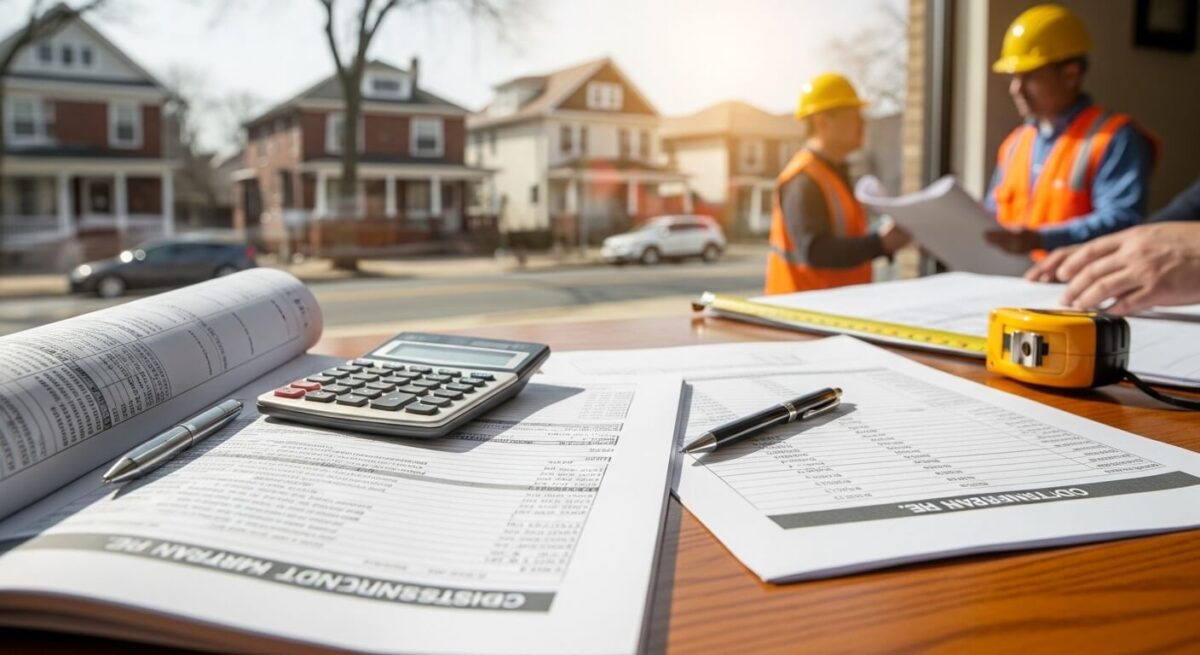
When you’re faced with multiple bids from general contractors in Yonkers, NY, it’s crucial to know how to effectively compare them. Start by examining the scope of work, materials, and labor costs for each proposal, ensuring they align with your project’s vision. Don’t forget to assess the contractor’s experience and client feedback, as these elements can significantly impact the quality of your project. As you sift through these details, consider what other factors might influence your decision, and you might find some surprising insights that could change your approach entirely.

Understanding Bid Components

Understanding bid components is crucial for assessing proposals from general contractors effectively. When you review bids, you’ll notice several key elements that impact the overall cost and value.

First, pay attention to the scope of work; this outlines what the contractor intends to accomplish. Next, examine the materials list, which should specify the quality and type of products used.

Labor costs also play a significant role, so consider how many hours are estimated and the wage rates. Don’t overlook timelines, as these can affect your project’s completion.

Lastly, check for any contingencies or exclusions that might lead to additional costs later on. By understanding these components, you’ll make more informed decisions and select the right contractor for your needs.

Evaluating Contractor Experience

When it comes to evaluating contractor experience, you’ll want to look beyond just the number of years in business.

Check their portfolio to see if they’ve completed projects similar to yours. This ensures they understand the nuances and challenges your project might present.

Ask for references and follow up with past clients about their satisfaction and any issues that arose.

Inquire about the contractor’s team and subcontractors, as skilled labor is crucial for quality work.

Additionally, consider their licensing and insurance status; a reputable contractor should have both.

Assessing Project Timelines

After evaluating a contractor’s experience, the next step is to assess project timelines.

You’ll want to ask each contractor for a detailed schedule outlining key milestones and completion dates. Pay attention to how realistic their timelines are—do they seem rushed or overly optimistic?

Compare these timelines to your project’s urgency and any deadlines you may have. Additionally, consider their availability; if they’re booked for months, your project could face delays.

Make sure to discuss potential scheduling conflicts and how they plan to manage them. A solid contractor will provide a timeline that reflects their commitment to quality while keeping your project on track.

This assessment helps ensure your project runs smoothly from start to finish.

Analyzing Payment Terms

Before signing any contracts, it’s crucial to analyze payment terms with each contractor. Look closely at how much money they’ll require upfront, as well as the schedule for subsequent payments. Some contractors may ask for a large deposit, while others spread payments out based on project milestones.

Ensure the terms align with your budget and cash flow. Also, check for any penalties for late payments or incentives for early completion. Understanding these details can save you headaches down the road.

Don’t forget to clarify how change orders will affect costs and payments. A clear agreement on payment terms helps you avoid misunderstandings and keeps the project on track financially.

Take the time to compare these terms thoroughly before making a decision.

Checking References and Reviews

While you evaluate bids from contractors, checking references and reviews is essential to ensure you’re making a sound choice. Reach out to past clients and ask about their experiences. Inquire about the contractor’s quality of work, reliability, and communication. This firsthand feedback gives you valuable insights into what to expect.

Additionally, search online for reviews on platforms like Google, Yelp, or Angie’s List. Look for patterns in feedback—consistent praise or complaints can indicate a contractor’s strengths or weaknesses.

Don’t just focus on the average rating; read individual comments to gauge overall satisfaction. By thoroughly vetting contractors, you’ll feel more confident in your decision and reduce the risk of future headaches.

Choose wisely, and your project will be in good hands.

Frequently Asked Questions

How Do I Know if a Bid Is Too Low?

To determine if a bid’s too low, consider the scope of work, materials, and labor costs.

If it seems significantly lower than others, ask questions. It might indicate corners being cut or hidden costs.

What Should I Do if Bids Vary Significantly?

If bids vary significantly, you should analyze each one closely.

Look for differences in materials, labor costs, and timelines.

Don’t hesitate to ask contractors for clarification to ensure you fully understand what you’re getting.

Can I Negotiate Bid Amounts With Contractors?

Yes, you can negotiate bid amounts with contractors.

Approach them respectfully, express your budget constraints, and ask for potential adjustments.

Most contractors are willing to discuss terms to secure your project while staying competitive.

Should I Consider Contractor Availability When Comparing Bids?

Yes, you should definitely consider contractor availability when comparing bids.

If a contractor can start your project sooner, it might outweigh a slightly higher bid.

Timeliness can be crucial for your overall timeline and satisfaction.

How Can I Protect Myself From Hidden Costs?

To protect yourself from hidden costs, ask for detailed estimates that break down labor, materials, and additional fees.

You should also clarify payment terms and request a written agreement outlining all expected expenses before starting.

Conclusion

In conclusion, comparing bids from general contractors in Yonkers, NY, is essential for a successful project. By focusing on the scope of work, contractor experience, timelines, and payment terms, you’ll ensure you’re making a smart choice. Don’t forget to check references and online reviews for extra insight into each contractor’s reliability. With a thorough evaluation, you’ll confidently select the right partner to bring your vision to life while staying on budget and schedule.

Categories
Blog

Interior Design Collaboration: How Home Contractors in Yonkers, NY Work with Designers

When you think about renovating your home in Yonkers, NY, it’s crucial to understand how home contractors and interior designers collaborate to create your ideal space. You’ll find that clear communication is key, allowing both parties to align on your vision while managing practical needs. Contractors focus on the nitty-gritty of materials and timelines, while designers craft the aesthetic. But what happens when challenges arise during this partnership? Exploring those dynamics can reveal how successful projects come together, and you might be surprised by the solutions they find.

Roles of Home Contractors

In the realm of interior design, home contractors play a pivotal role in bringing your vision to life. They’re the professionals who turn your ideas into tangible results, managing the construction and renovation processes.

From coordinating timelines to sourcing materials, they ensure everything runs smoothly. When you communicate your design preferences, they interpret those ideas, providing valuable insights on feasibility and budget.

Home contractors also work closely with suppliers and subcontractors, ensuring that skilled labor is available when needed. They address any issues that arise during the project, keeping you informed and involved.

Roles of Interior Designers

While home contractors manage the logistics of a project, interior designers focus on the aesthetic and functional aspects of a space.

You’ll work closely with clients to understand their style preferences, needs, and budget. This allows you to create cohesive design concepts that reflect their vision. You’ll select color schemes, furniture, and materials, ensuring everything harmonizes beautifully.

Additionally, you’ll develop floor plans that optimize space utilization, enhancing both comfort and flow. Your expertise in lighting and texture adds depth to the overall design.

You’ll also collaborate with contractors to ensure your ideas are executed correctly, making adjustments as needed. Ultimately, your role is to transform a house into a home that’s both visually stunning and practical for everyday living.

Collaborative Planning Process

The collaborative planning process in interior design is crucial for bringing together the visions of clients, designers, and contractors.

You’ll start by setting clear goals and expectations, ensuring everyone is on the same page from the beginning. Regular meetings help facilitate open communication, where you can discuss ideas, budgets, and timelines.

By leveraging each participant’s expertise, you create a well-rounded approach that fosters innovative solutions. You’ll also benefit from sharing design concepts and incorporating feedback early on, which streamlines the decision-making process.

This teamwork not only enhances creativity but also builds trust among all parties involved. Ultimately, an effective collaborative planning process results in a cohesive design that reflects your desires while meeting practical construction needs.

Common Challenges Faced

Navigating the intricacies of interior design collaboration in Yonkers can present several challenges. You might encounter communication barriers, where misinterpretations can lead to costly mistakes.

Balancing creative visions with practical constraints often proves difficult, as designers and contractors may have differing priorities. Time management is another hurdle; tight schedules can create pressure, making it hard to maintain quality.

Additionally, budget constraints can limit your choices, leading to compromises that mightn’t align with your original vision. Lastly, differing work styles between contractors and designers can cause friction, complicating the collaboration process.

Recognizing these challenges early on can help you strategize and foster a more productive partnership, ultimately leading to a successful interior design project.

Successful Project Examples

Many successful interior design projects in Yonkers showcase the power of effective collaboration.

For instance, a recent renovation of a historic home featured a seamless partnership between a designer and contractor. The designer’s vision for open spaces and natural light came to life with the contractor’s expertise in structural adjustments.

In another project, a modern condo benefited from the contractor’s knowledge of materials, allowing the designer to achieve a sleek, functional aesthetic.

These examples illustrate how clear communication and shared goals lead to stunning results. When you engage your contractor in the design process, you’re more likely to create spaces that reflect both style and practicality, ensuring your project runs smoothly and meets your expectations.

Frequently Asked Questions

How Do Contractors and Designers Communicate During a Project?

You’ll find that contractors and designers communicate through regular meetings, phone calls, and emails.

They share updates, discuss challenges, and ensure everyone’s on the same page to achieve a successful project outcome together.

What Is the Typical Timeline for a Collaborative Project?

A typical collaborative project timeline usually spans several weeks to months.

You’ll start with planning, then move to execution.

Regular check-ins keep everyone aligned, ensuring the project stays on track and meets your vision.

How Are Budgets Determined in These Collaborations?

In these collaborations, you’ll typically assess the project scope first.

Then, you and your team will estimate costs for materials and labor, ensuring you align with your budget while considering any unexpected expenses that might arise.

What Qualifications Should I Look for in a Contractor or Designer?

When choosing a contractor or designer, look for experience, relevant certifications, strong portfolios, and positive reviews.

It’s crucial they communicate well and understand your vision, ensuring a smooth collaboration throughout your project.

Can I Hire a Contractor or Designer Separately?

Yes, you can hire a contractor or designer separately.

Just ensure they can communicate effectively, as it’ll streamline your project.

Each brings unique skills, so choose based on your specific needs and preferences.

Conclusion

In Yonkers, the synergy between home contractors and interior designers is key to achieving stunning renovations. By clearly defining roles and maintaining open communication, they tackle challenges together and bring creative visions to life. When you embrace this collaborative approach, you not only enhance the design process but also ensure that the final result is both beautiful and functional. Ultimately, this partnership transforms spaces, making your home a true reflection of your style and needs.

Categories
Blog

Post-Renovation Maintenance Tips From General Contractors in Yonkers, NY

Once your renovation’s complete, you’re probably eager to enjoy your new space, but don’t overlook the importance of post-renovation maintenance. Establishing a consistent cleaning routine is just the beginning; you’ll need to keep an eye out for potential issues like water damage and ensure your HVAC system is running smoothly. Plus, seasonal checks can save you from costly repairs down the line. To help you navigate this essential maintenance phase, let’s explore some practical tips that will keep your home in top shape for years to come.

Regular Cleaning Routines

Keeping your newly renovated space looking fresh and inviting depends on your regular cleaning routines. Start by dusting surfaces weekly to prevent particles from settling and damaging finishes. Use a microfiber cloth for effective dusting, especially on furniture and electronics.

Don’t forget to vacuum carpets and rugs regularly to keep dirt at bay. For hard floors, sweep daily and mop weekly to maintain shine.

Wipe down countertops and appliances after each use to avoid stains and buildup. Additionally, pay attention to windows and mirrors; a streak-free cleaner can make a huge difference in brightness.

Inspecting for Water Damage

Regularly checking for water damage is crucial in maintaining your renovated space.

Look for signs like discoloration on walls, ceilings, or floors, as these can indicate leaks. Pay attention to musty odors, which often signal hidden moisture issues.

Don’t forget to inspect areas around windows and doors, as these spots are prone to water infiltration. Check your plumbing fixtures and appliances, ensuring there are no leaks or drips.

If you have a basement, monitor it for dampness or water pooling. It’s wise to keep an eye on your roof and gutters, too—clogged gutters can lead to overflow and damage.

Early detection can save you from costly repairs down the line, so make inspections a routine part of your maintenance.

Maintaining HVAC Systems

An efficient HVAC system is vital for comfort in your renovated space, so proper maintenance is key.

Start by changing the air filters monthly to ensure clean airflow and reduce strain on the system. Schedule professional inspections at least once a year to catch any issues early.

Keep the outdoor unit clear of debris, leaves, and dirt to promote efficient operation. If you notice unusual noises or odors, don’t ignore them—addressing these signs promptly can prevent costly repairs.

Additionally, check the thermostat settings regularly to ensure accurate temperature control.

Checking Electrical Systems

After your renovation, it’s crucial to check the electrical systems in your home to ensure everything’s functioning safely and efficiently.

Start by inspecting all outlets and switches for any signs of damage or overheating. Look for tripped circuit breakers, which might indicate an overloaded circuit.

Test your smoke detectors and carbon monoxide detectors to make sure they’re operational. If you’ve installed new fixtures, confirm they’re wired correctly and securely.

Don’t forget to check the grounding of your electrical system as well. If you notice any issues or you’re unsure about anything, it’s best to call a licensed electrician.

Regularly checking these systems can help prevent potential hazards and ensure a safe living environment for you and your family.

Seasonal Exterior Care

While your home’s interior might shine after a renovation, don’t overlook the importance of seasonal exterior care to maintain its curb appeal and structural integrity.

Start by inspecting your siding, roof, and gutters. Clean out leaves and debris to prevent water damage.

In the fall, consider trimming back overgrown shrubs and trees that might damage your home during winter storms.

In winter, check for ice buildup on gutters and roof edges; removing it can prevent costly repairs.

Come spring, wash the exterior surfaces and touch up any paint that’s chipped.

As summer rolls in, check for cracks in walkways or driveways and fill them to prevent further damage.

Regular maintenance keeps your home looking great and protects your investment.

Frequently Asked Questions

How Often Should I Repaint My Newly Renovated Rooms?

You should repaint your newly renovated rooms every five to seven years, depending on wear and tear.

Regular touch-ups can keep them looking fresh, so check for scuffs and fading to maintain their appeal.

What Are Signs of Poor Workmanship After Renovations?

You’ll notice signs of poor workmanship if you see uneven surfaces, misaligned fixtures, or paint drips.

Also, listen for creaks or see gaps in installations, indicating that something wasn’t done correctly during renovations.

When Should I Schedule a Professional Inspection Post-Renovation?

You should schedule a professional inspection soon after your renovation’s completed.

This ensures any issues are caught early, saving you time and money.

Don’t wait too long; the sooner, the better for your peace of mind.

How Can I Improve Energy Efficiency After Renovations?

To improve energy efficiency after your renovations, you can seal windows and doors, upgrade insulation, install energy-efficient appliances, and use smart thermostats.

These steps can significantly lower your energy bills and enhance overall comfort.

Are There Specific Maintenance Tasks for Different Materials Used in Renovations?

Yes, different materials require specific maintenance.

For instance, wood needs regular sealing, while tile should be cleaned with appropriate solutions.

Always check manufacturer guidelines to ensure you’re using the right methods for each material.

Conclusion

Incorporating these post-renovation maintenance tips will help you protect your investment and keep your space looking great. By establishing a regular cleaning routine, inspecting for water damage, maintaining your HVAC system, checking your electrical systems, and performing seasonal exterior care, you’ll ensure your newly renovated home remains in top condition. Remember, a little proactive care goes a long way in preserving the beauty and functionality of your space for years to come.

Categories
Blog

Permits and Regulations: What General Contractors in Yonkers, NY Handle for You

When you’re planning a construction project in Yonkers, understanding the maze of permits and regulations can feel overwhelming. You might not realize just how crucial general contractors are in simplifying this process for you. They handle everything from building permits to compliance with local codes, saving you time and potential headaches. By ensuring all the necessary approvals are in place, they can keep your project on track. But what specific permits should you be aware of, and how can their expertise truly benefit your project? Let’s explore that further.

Understanding Local Building Codes

When you’re tackling a construction project in Yonkers, understanding local building codes is crucial.

These codes ensure that your project meets safety standards, zoning laws, and construction guidelines. Familiarizing yourself with these regulations helps you avoid costly fines or project delays. You’ll need to know about specific requirements for materials, structural integrity, and energy efficiency.

It’s also important to stay updated on any changes to the codes, as they can evolve over time. Working with local officials or consulting a knowledgeable contractor can provide clarity on what’s required.

Adhering to these codes not only keeps your project compliant but also protects your investment and ensures the safety of everyone involved. Don’t underestimate the importance of this foundational knowledge.

Types of Permits Required

Navigating the world of permits can feel overwhelming, but understanding the types required for your project in Yonkers is essential. Depending on your project, you might need several permits.

For instance, a building permit is necessary for new constructions or major renovations. If you’re working on electrical or plumbing systems, you’ll require specific electrical and plumbing permits.

Don’t forget about zoning permits, which ensure your project complies with local land use regulations. If your project affects the environment, a wetlands permit may be necessary.

Additionally, if you’re making changes to historical buildings, a historic preservation permit is mandatory. Each project is unique, so it’s crucial to identify which permits apply to your situation to avoid delays and fines.

The Application Process

Understanding the application process for permits in Yonkers is crucial for any general contractor.

First, you’ll need to gather all necessary documents, including site plans, project descriptions, and proof of insurance.

Next, you’ll submit your application to the Yonkers Department of Buildings, either online or in person. Make sure to include all required fees to avoid delays.

After submitting, you’ll receive a confirmation, and your application will be reviewed for completeness and compliance with local regulations.

If additional information is needed, be prepared to respond promptly.

Once approved, you’ll receive your permit, allowing you to start your project legally.

Staying organized and proactive during this process can lead to a smoother experience and timely project completion.

Compliance With Safety Standards

After securing your permit, compliance with safety standards becomes a top priority for any general contractor in Yonkers.

You’ll find that adhering to local, state, and federal regulations is essential to ensure a safe work environment. This means your contractor will implement necessary measures, such as proper signage, protective gear for workers, and safety training sessions.

They’ll also conduct regular inspections to identify potential hazards and address them promptly. Keeping up with the latest safety protocols not only protects your project but also prevents costly delays or fines.

Benefits of Hiring a General Contractor

When you hire a general contractor, you’re not just gaining a project manager; you’re investing in expertise that can streamline your entire construction process.

They handle everything from scheduling and budgeting to coordinating subcontractors and managing permits. This means you won’t have to juggle multiple contacts or worry about missed deadlines.

Moreover, their extensive industry knowledge ensures compliance with local regulations, which can save you from costly fines or delays.

General contractors also bring problem-solving skills, tackling unexpected issues quickly and efficiently, keeping your project on track.

Ultimately, hiring a general contractor gives you peace of mind, allowing you to focus on your vision while they handle the logistics.

Your project’s success is their priority.

Frequently Asked Questions

How Long Does It Take to Obtain a Construction Permit in Yonkers?

Obtaining a construction permit in Yonkers typically takes about two to six weeks, depending on the complexity of your project.

It’s essential to prepare all necessary documents to help speed up the process.

What Are the Costs Associated With Building Permits in Yonkers?

When considering building permits in Yonkers, you’ll encounter various costs.

These might include application fees, inspection charges, and potential impact fees.

It’s essential to budget accordingly to ensure your project stays on track without surprises.

Can I Work on My Property Without a Permit?

You can’t typically work on your property without a permit.

Most projects require approval to ensure safety and compliance.

Ignoring this could lead to fines or complications down the road, so it’s best to check first.

Are There Penalties for Not Complying With Local Regulations?

Yes, there are penalties for not complying with local regulations.

You could face fines, forced compliance, or even legal action.

It’s essential to understand and follow these rules to avoid such consequences.

How Can I Appeal a Denied Permit Application?

To appeal a denied permit application, you’ll need to gather relevant documentation, clearly outline your reasons for the appeal, and submit it to the appropriate authority.

Stay persistent and follow up regularly for updates.

Conclusion

In conclusion, hiring a general contractor in Yonkers, NY, simplifies your construction project by ensuring compliance with local building codes and securing the necessary permits. They navigate the application process and keep your project aligned with safety standards, saving you time and potential fines. By entrusting these responsibilities to an expert, you can focus on your vision while enjoying peace of mind, knowing your project is in capable hands.