Categories
Blog

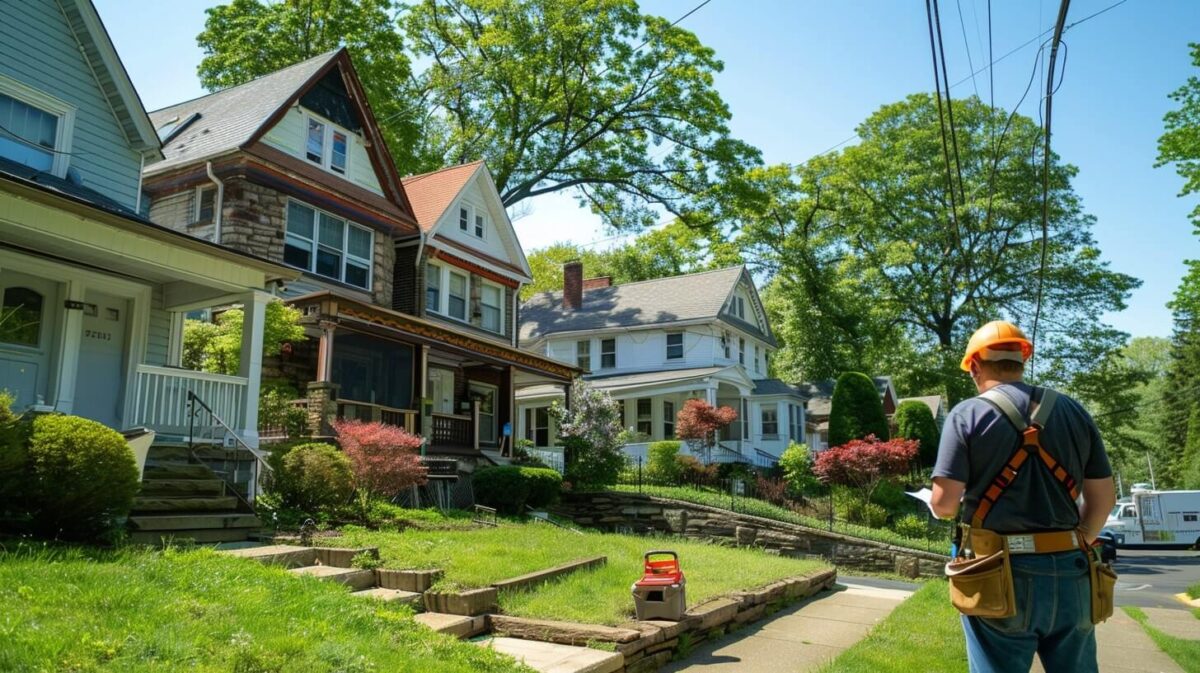
Choosing a Home Improvement Contractor in Yonkers NY

When you’re ready to tackle a home improvement project in Yonkers, NY, choosing the right contractor is crucial. You’ll want to start by gathering recommendations from trusted sources and checking online reviews to narrow down your options. Don’t forget to verify licenses and insurance—this step can save you from potential headaches down the line. As you explore your choices, it’s essential to focus on how well you communicate with each contractor. But what’s the best way to ensure a smooth partnership that leads to your dream space?

Research Local Contractors

When you’re ready to embark on a home improvement project, the first step is to research local contractors.

Start by asking friends, family, or neighbors for recommendations—they can share their experiences and help you find reliable options.

Next, check online reviews and ratings on platforms like Yelp or Angie’s List. These insights will give you a clearer picture of what to expect.

Don’t forget to explore social media groups focused on home improvement in your area, as you might uncover hidden gems.

Create a shortlist of potential contractors and take note of their specialties, as some might excel in specific areas like renovations or landscaping.

This groundwork will set you up for success in choosing the right contractor for your needs.

Verify Credentials and Licenses

Before hiring a contractor, it’s crucial to verify their credentials and licenses. Start by checking if they hold the necessary state and local licenses to perform home improvement work in Yonkers, NY. This ensures they comply with regulations and industry standards.

Don’t hesitate to ask for proof of insurance, including general liability and workers’ compensation. This protects you from potential liabilities in case of accidents or damages during the project.

Additionally, confirm their credentials by looking into their affiliations with professional organizations, which often indicate a commitment to quality and ongoing education.

Taking these steps helps you choose a reliable contractor, ensuring your home improvement project is in capable hands. Your peace of mind is worth the effort!

Read Reviews and Testimonials

How can you gauge a contractor’s reliability and quality of work? One effective way is to read reviews and testimonials from previous clients.

Start by checking online platforms and social media where customers share their experiences. Look for patterns in the feedback—do people consistently praise the contractor’s craftsmanship and professionalism?

Pay attention to both positive and negative comments; they provide a balanced view of what to expect. Don’t hesitate to ask the contractor for references as well; speaking directly with past clients can give you deeper insights.

Obtain Detailed Estimates

To ensure you’re making a well-informed decision about your home improvement project, obtaining detailed estimates from contractors is crucial.

Start by reaching out to multiple contractors and request itemized quotes that break down costs for materials, labor, and any additional fees. This transparency helps you compare not just the prices, but also the scope of work each contractor proposes.

Don’t hesitate to ask questions about specific line items or the reasoning behind costs. It’s vital to ensure you’re not only getting the best price but also quality work.

Additionally, beware of estimates that seem unusually low; they could indicate shortcuts or inferior materials.

Taking the time to gather and analyze these estimates will empower you throughout the decision-making process.

Assess Communication and Compatibility

Evaluating communication and compatibility with potential contractors is essential for a successful home improvement project. Start by assessing how well they listen to your ideas and concerns.

Do they provide clear explanations and ask relevant questions? Effective communication fosters trust and ensures your vision is understood.

Next, consider their personality and work style. You’ll be collaborating closely, so it’s crucial to feel comfortable. Pay attention to their responsiveness; quick replies indicate professionalism.

A good contractor should value your input and be open to suggestions.

Lastly, trust your instincts. If you sense any discomfort or misalignment, it might be best to explore other options.

Finding someone who shares your values and objectives can make the entire process smoother and more enjoyable.

Frequently Asked Questions

What Types of Home Improvement Projects Do Contractors Specialize In?

Contractors specialize in various home improvement projects, including renovations, additions, kitchen and bathroom remodels, roofing, siding, and landscaping.

They also handle electrical, plumbing, and painting tasks, ensuring your home looks and functions its best.

How Long Should I Expect My Project to Take?

You should expect your project timeline to vary based on its complexity.

Simple tasks might take a few days, while larger renovations could span weeks or even months.

Always discuss timelines upfront with your contractor to set expectations.

What Payment Options Do Contractors Typically Offer?

Contractors typically offer various payment options, including cash, credit cards, checks, or financing plans.

You should discuss these options upfront to ensure you’re comfortable with the payment method that works best for your project.

Are There Warranties or Guarantees for the Work Done?

Yes, many contractors provide warranties or guarantees for their work.

You should always ask about these options to ensure you’re covered for defects or issues, giving you peace of mind after your project is completed.

How Do I Handle Disputes or Issues During the Project?

When disputes arise during a project, address them immediately.

Communicate openly with the contractor, document everything, and stay calm.

If needed, refer to your contract or seek mediation to resolve the issue effectively.

Conclusion

In conclusion, choosing the right home improvement contractor in Yonkers, NY, is essential for your project’s success. By researching local options, verifying their credentials, reading reviews, and obtaining detailed estimates, you can make an informed decision. Don’t forget to assess communication and compatibility, as a good working relationship is key. Taking these steps not only ensures your vision is realized but also gives you peace of mind throughout the process. Happy renovating!
Categories
Blog

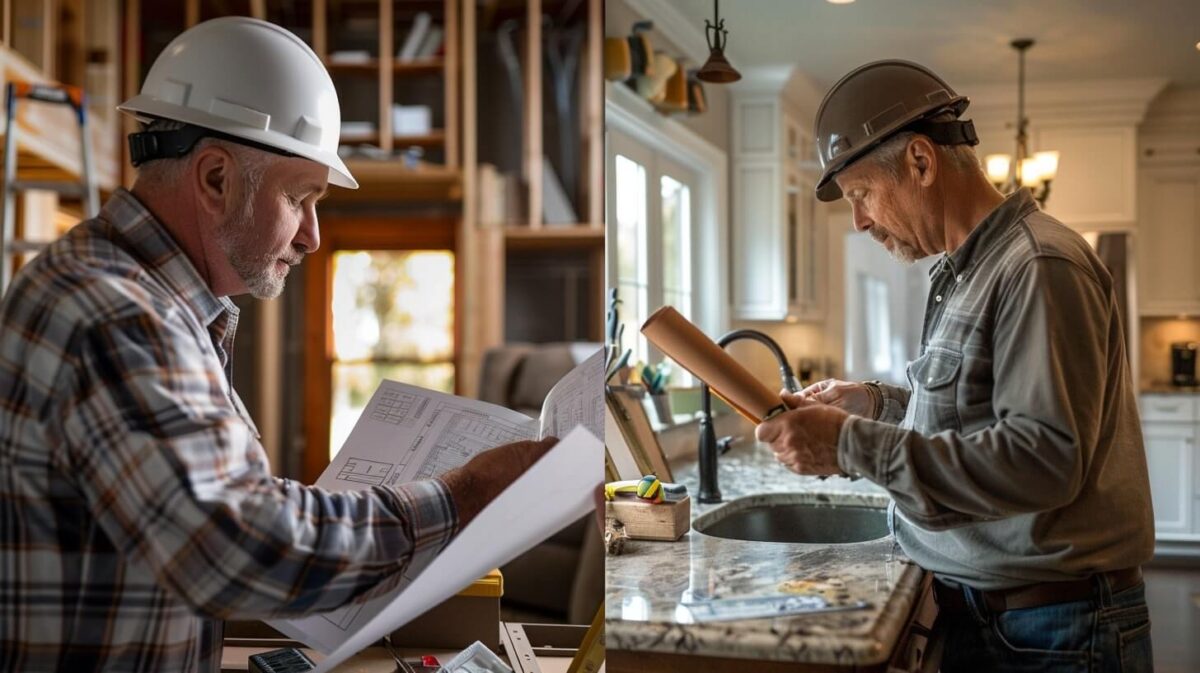
Choosing Between a General Contractor and a Handyman in Yonkers, NY

When you’re faced with a project in Yonkers, NY, deciding between a general contractor and a handyman can significantly impact your results. If you’re planning a complex renovation, a general contractor might be your best bet for their expertise and ability to manage various tasks. However, for simpler projects, a handyman could save you time and money. Understanding the specifics of your project and your budget is crucial, but there are other factors to consider that could sway your choice. What else should you keep in mind before making this important decision?

Understanding General Contractors

When tackling a major renovation or construction project, understanding general contractors is essential. They’re the professionals who manage the entire process, coordinating between various subcontractors, suppliers, and you.

By hiring a general contractor, you’re ensuring that experienced oversight is in place, which can save you time and potential headaches. They handle permits, schedules, and budgets, so you can focus on the vision for your project.

You’ll want to check their credentials and past work to ensure they fit your needs. A good general contractor communicates clearly, keeping you updated every step of the way.

They’ll help you navigate any challenges that arise, making your renovation journey smoother and more efficient. Ultimately, their expertise can transform your ideas into reality.

Understanding Handymen

Handymen offer a different set of services compared to general contractors, focusing primarily on smaller tasks and repairs. They’re perfect for those quick jobs that don’t require extensive planning or permits.

If you need help with simple plumbing issues, light fixture installations, or drywall repairs, a handyman’s your go-to professional. Handymen are often versatile, skilled in multiple areas, which allows them to tackle various home maintenance tasks efficiently.

They generally charge by the hour or project, making them a cost-effective choice for minor repairs. Plus, their flexible schedules can accommodate your needs more easily than a general contractor.

If you’re looking for someone to handle those pesky small jobs around the house, a handyman can save you time and hassle.

Key Differences

Several key differences set general contractors apart from handymen, making it crucial to understand which professional best suits your needs.

General contractors typically handle larger projects, like home renovations or new constructions, and manage multiple subcontractors. They’re licensed and insured, which adds a layer of security for significant investments.

On the other hand, handymen usually tackle smaller, less complex tasks, such as repairs or maintenance work, often without the need for a license. While handymen can address various issues, they may lack the specialized expertise required for extensive projects.

Understanding these distinctions helps you determine whether you need comprehensive project management or simply someone to fix a leaky faucet or paint a room. Choose wisely based on your project’s scope.

When to Hire Each

Deciding whether to hire a general contractor or a handyman depends on the scale and specifics of your project.

If you’re tackling a major renovation, like a kitchen or bathroom remodel, a general contractor is your best bet. They’ll manage permits, coordinate subcontractors, and ensure everything meets building codes.

On the other hand, if you have smaller tasks, such as fixing a leaky faucet or patching drywall, a handyman is perfect. They’re skilled for quick repairs and minor improvements without the overhead of a full contractor.

Consider the complexity of your tasks and the level of expertise required. When in doubt, think about the project timeline and your own availability to manage the work.

Cost Considerations

Cost is a crucial factor when choosing between a general contractor and a handyman.

Generally, hiring a handyman is more budget-friendly for smaller tasks or repairs. Their hourly rate tends to be lower, and they often charge less for straightforward jobs.

On the other hand, general contractors come with higher rates due to their expertise and the complexity of projects they handle. If you’re planning a major renovation or construction, investing in a general contractor may save you money in the long run by ensuring the job’s done right the first time.

Assess your project’s scope, budget, and timeline to determine which option aligns best with your financial situation. Ultimately, choosing wisely can lead to significant savings.

Frequently Asked Questions

What Qualifications Should I Look for in a General Contractor?

When evaluating a general contractor, you should look for proper licensing, insurance, experience in your specific project type, strong references, and good communication skills.

These qualifications ensure you’re hiring someone reliable and skilled for your needs.

Can a Handyman Handle Electrical or Plumbing Work?

A handyman can handle minor electrical or plumbing tasks, but you should check local regulations.

For complex jobs, you’ll need a licensed professional to ensure safety and compliance with codes.

Always prioritize quality and expertise.

How Do I Verify a Contractor’s License in Yonkers?

To verify a contractor’s license in Yonkers, check the New York State Department of State website.

You can search by name or business, ensuring they’re licensed and in good standing before hiring them for your project.

What Insurance Should Contractors and Handymen Carry?

When hiring contractors or handymen, ensure they carry liability insurance and workers’ compensation.

This protects you from potential damages or injuries. Always ask for proof of insurance before starting any project to safeguard your interests.

Are There Specific Permits Required for Home Renovations?

Yes, specific permits are often required for home renovations.

You should check with your local building department to understand what’s needed for your project.

It ensures compliance with safety regulations and avoids potential fines.

Conclusion

In conclusion, choosing between a general contractor and a handyman in Yonkers, NY, depends on your project’s size and complexity. For major renovations, go with a general contractor who can handle the intricacies. If you’re tackling small repairs, a handyman is your best bet for efficiency and cost-effectiveness. By assessing your needs and budget, you’ll make the right choice and ensure your project runs smoothly. Trust your instincts, and you’ll be on the right track!

Categories
Blog

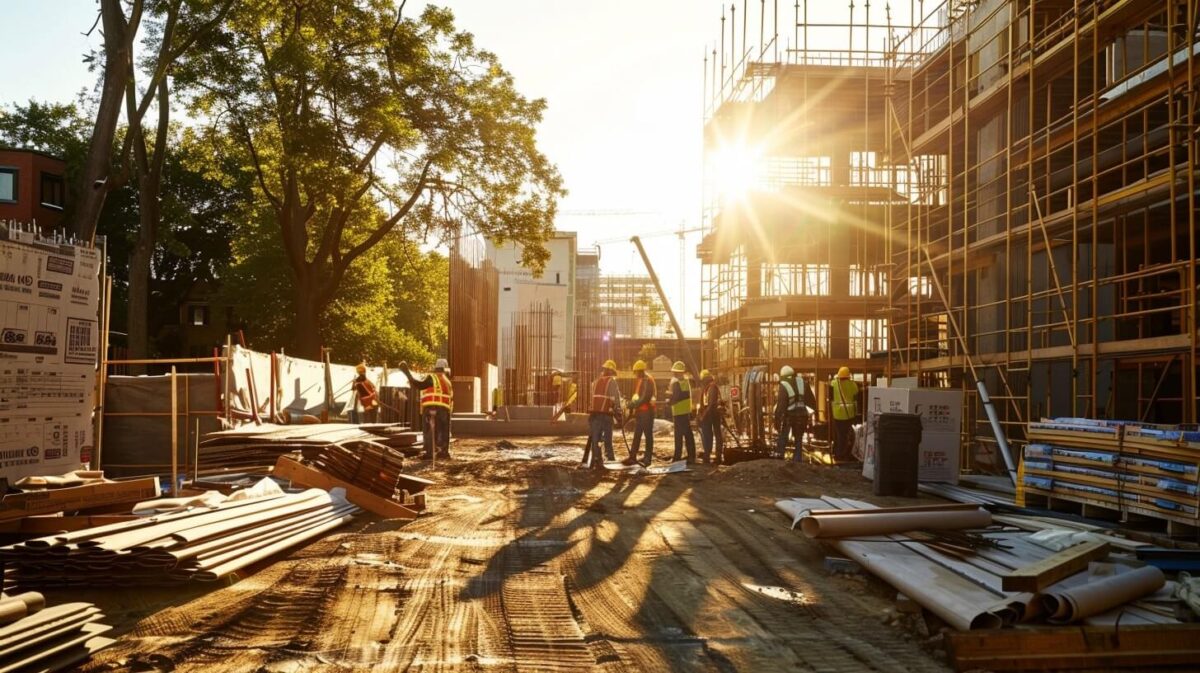
General Contractors in Yonkers, NY: What to Expect from Your Project Timeline

When you hire general contractors in Yonkers, NY, it’s essential to understand the project timeline and what it entails. You’ll start with an initial consultation to nail down your vision and budget, but don’t underestimate the impact of permitting and approvals, which can introduce unexpected delays. As the construction progresses, staying informed through regular updates will be key to keeping everything on track. However, there are nuances at each stage that could affect your timeline significantly, and it’s crucial to know what they are before you commit.

Understanding Project Phases

When embarking on a construction project, understanding the various phases can make the process smoother and more efficient. Typically, the project starts with pre-construction, where you gather necessary permits and finalize designs.

Next comes the construction phase, which involves actual building—this is where your vision takes shape. You’ll see the foundation laid, framing put up, and utilities installed.

After construction, the finishing phase begins, focusing on details like paint, flooring, and fixtures. Finally, there’s the inspection phase, ensuring everything meets safety codes and regulations.

Each of these phases requires clear communication and collaboration with your general contractor to stay on track and within budget, so stay engaged throughout the journey for the best results.

Initial Consultation and Planning

The initial consultation and planning stage is crucial for a successful construction project, as it sets the foundation for everything that follows.

During this phase, you’ll meet with your general contractor to discuss your vision, budget, and timeline. It’s your chance to voice any ideas and concerns while they provide expert insights on feasibility and design options.

Together, you’ll assess the project’s scope, identifying key elements that need attention. This collaboration helps establish clear expectations and goals, ensuring everyone is on the same page.

Additionally, you’ll gather necessary information and documents to kick off the planning process. By the end of this stage, you’ll have a solid plan that guides the subsequent phases of your project, setting you up for success.

Permitting and Approvals

After laying the groundwork in the initial consultation and planning stage, the next step involves navigating the permitting and approvals process.

You’ll need to gather the necessary documents, such as site plans, engineering reports, and any required surveys. Your general contractor will help you submit these applications to the local authorities.

Be prepared for potential delays, as permitting can take time due to reviews and inspections. It’s crucial to stay in close communication with your contractor and the permitting office to ensure everything is on track.

Keep in mind that securing the right permits not only keeps your project compliant but also helps you avoid costly fines or future complications.

Construction Execution

Executing the construction phase is where your plans come to life. You’ll see the foundation laid, walls erected, and spaces transformed. Your general contractor will coordinate various trades, ensuring everyone works seamlessly together.

You’ll want to maintain open communication with them, addressing any concerns or adjustments as they arise. Regular site visits will help you visualize progress and keep you informed.

Expect some challenges, too—weather delays or material shortages might crop up, but your contractor should keep you updated. Staying flexible is key.

Your involvement will help ensure the project aligns with your vision. As construction progresses, you’ll witness the transformation you envisioned, making the journey worthwhile.

Final Inspection and Handover

Once construction wraps up, you’ll enter the crucial phase of final inspection and handover. This is when you’ll review the work with your contractor to ensure everything meets the agreed-upon standards and specifications.

You’ll want to check for any defects, incomplete tasks, or issues that need addressing. Your contractor will guide you through this process, taking notes on any concerns you raise.

After all tasks are verified and any necessary corrections are made, you’ll receive the final documentation, including warranties and maintenance information. This marks the official transfer of ownership, and you’ll be ready to enjoy your new space.

Frequently Asked Questions

How Do I Choose the Right General Contractor for My Project?

To choose the right general contractor, research their experience, read reviews, and ask for referrals.

Interview multiple candidates, discuss your project details, and ensure they communicate well.

Trust your instincts when making the final decision.

What Factors Influence the Overall Cost of My Construction Project?

The overall cost of your construction project depends on factors like materials, labor, design complexity, location, and timelines.

You’ll want to assess each element carefully to stay within budget while achieving your desired outcome.

Can I Make Changes to the Project After Construction Has Started?

Yes, you can make changes after construction starts, but it might affect your timeline and budget.

Always communicate with your contractor to understand how alterations will impact the overall project and ensure everything aligns properly.

How Can I Communicate Effectively With My Contractor Throughout the Project?

To communicate effectively with your contractor, schedule regular check-ins, ask questions, and provide feedback.

Keep an open line of communication via calls or messages, ensuring everyone stays on the same page throughout the project.

What Should I Do if There Are Delays During the Construction Process?

If you face delays during construction, stay calm and communicate openly with your contractor.

Ask for updates, understand the reasons behind the delays, and discuss possible solutions to keep your project on track.

Conclusion

In summary, partnering with general contractors in Yonkers, NY, means navigating a clear project timeline, from initial consultations to the final handover. You’ll engage in meaningful discussions to shape your vision, tackle permitting hurdles, and watch your project come to life during construction. By maintaining open communication throughout the process, you can ensure everything runs smoothly and meets your expectations. Embrace the journey, and soon you’ll be enjoying your newly completed space!

Categories
Blog

Home Contractor in Yonkers, NY: How to Plan a Stress-Free Renovation

When you’re planning a renovation in Yonkers, NY, knowing where to start can make all the difference in achieving a stress-free experience. You’ll want to clearly define your goals and carefully research potential contractors to find the right fit. Establishing a realistic budget and timeline is also crucial, but it’s the communication with your contractor that often determines the project’s success. As you prepare to embark on this journey, consider what steps you’ll take to ensure everything runs smoothly, especially when unexpected challenges arise. What’s your first move?

Define Your Renovation Goals

Defining your renovation goals is the cornerstone of a successful project. Start by assessing your needs and desires. Are you looking to enhance functionality, improve aesthetics, or increase your home’s value?

Be specific about what you want to achieve, whether it’s a modern kitchen, a cozy living room, or an updated bathroom. Consider your budget and timeline, as these will guide your decisions.

Prioritize your goals—what’s most important to you? This clarity will help you stay focused throughout the renovation process.

Don’t forget to think about how the changes will affect your daily life and future plans. With well-defined goals, you’ll have a roadmap that keeps you on track and ensures you achieve the results you envision.

Research Potential Contractors

Once you’ve clarified your renovation goals, it’s time to research potential contractors who can bring your vision to life. Start by asking friends, family, or neighbors for recommendations. Online reviews and ratings can also provide insights into a contractor’s reputation.

Once you’ve gathered a list, check their credentials, including licenses and insurance. Look for experience in projects similar to yours—this ensures they understand your specific needs.

Schedule interviews to discuss your project and assess their communication style. Don’t hesitate to ask for references and photographs of past work.

Establish a Realistic Budget

A realistic budget is crucial for a successful home renovation. Start by determining how much you can afford to spend without straining your finances.

Factor in all potential expenses, including materials, labor, permits, and unexpected costs that may arise during the process. It’s wise to allocate an additional 10-20% for contingencies.

Research pricing for materials and hire a contractor who can provide detailed estimates. Don’t forget to account for design fees if you’re working with an interior designer.

By being honest about your financial limits, you’ll avoid overspending and ensure you can complete your project within your means.

Create a Detailed Timeline

Creating a detailed timeline is essential for keeping your home renovation on track. Start by breaking down the project into manageable phases, like design, demolition, and construction. Assign specific deadlines to each phase, ensuring you include time for unexpected delays.

Consider the availability of materials and labor, as these can impact your schedule significantly.

Next, map out key milestones, such as when you expect to finalize designs or complete inspections. Make sure to factor in time for permits and approvals, which can vary based on your location.

Lastly, keep your timeline visible and revisit it regularly to stay on course. A clear timeline not only helps you stay organized but also reduces stress throughout the renovation process.

Communicate Effectively Throughout

Effective communication is crucial for a successful home renovation. Keep your contractor informed about your expectations, preferences, and any concerns that arise.

Regular check-ins can help you stay on the same page and address issues before they escalate. Don’t hesitate to ask questions; it’s essential to understand the process and timeline.

Use clear, concise language to express your ideas and feedback. If something isn’t working for you, share your thoughts promptly.

Consider using visual aids, like photos or sketches, to convey your vision. Lastly, maintain a positive attitude; a collaborative approach fosters a better working relationship.

Frequently Asked Questions

What Permits Are Required for Home Renovations in Yonkers?

You’ll need to check with local authorities for specific permits required for your renovation.

Generally, building, electrical, and plumbing permits are common.

Make sure to gather all necessary documents before starting your project to avoid delays.

How Do I Handle Unexpected Costs During a Renovation?

Unexpected costs during a renovation can be frustrating.

You should set aside a contingency fund, communicate with your contractor about potential issues, and stay flexible.

This approach helps you manage surprises without derailing your project.

Can I Live in My Home During the Renovation?

Yes, you can live in your home during renovations, but it depends on the extent of the work.

If it’s minor, you’ll likely be fine.

For major projects, consider temporary relocation for comfort.

What Should I Do if I’m Unhappy With the Contractor’s Work?

If you’re unhappy with your contractor’s work, address your concerns directly and clearly.

Discuss specific issues with them, and if necessary, document everything.

Consider mediation or seeking legal advice if problems persist and aren’t resolved.

How Can I Ensure My Renovation Is Environmentally Friendly?

To ensure your renovation’s environmentally friendly, choose sustainable materials, prioritize energy efficiency, and consider eco-friendly practices.

You can also recycle old materials and consult professionals who specialize in sustainable building methods for guidance.

Conclusion

By following these steps, you’ll set yourself up for a smooth renovation experience with your contractor in Yonkers. Clearly defining your goals, researching contractors, establishing a budget, creating a timeline, and maintaining open communication will help you stay organized and stress-free. Remember, it’s all about bringing your vision to life while enjoying the process. With the right preparation, you can transform your space into something you’ll love for years to come.

Categories
Blog

DIY vs. Hiring a Handyman: What’s Best for Your Home?

When it comes to home projects, you might find yourself torn between tackling it yourself or hiring a handyman. DIY can be fulfilling and cost-effective, but it also demands the right skills and tools. On the other hand, hiring a professional can save you time and ensure quality results, especially for more complex tasks. So, how do you decide which route to take? It all boils down to a few key factors that could significantly impact your home’s upkeep and your peace of mind. Let’s explore what you need to consider before making that choice.

Benefits of DIY Projects

One of the biggest perks of DIY projects is the sense of accomplishment you get from completing a task on your own.

You’ll find that tackling home improvement tasks can boost your confidence and skills. Plus, you have the freedom to personalize your projects, reflecting your unique style and preferences.

When you take on DIY tasks, you often save money, eliminating labor costs associated with hiring someone else. You also gain valuable knowledge about your home, which can help you troubleshoot future problems.

Engaging in DIY projects can be a fun and creative outlet, allowing you to express yourself while also improving your living space.

Advantages of Hiring a Handyman

When it comes to home repairs and improvements, hiring a handyman can save you both time and stress. You won’t have to worry about finding the right tools or figuring out complicated instructions.

Handymen possess a wealth of experience and skills, enabling them to tackle various tasks quickly and efficiently. This expertise means fewer mistakes, which can save you from costly rework.

Additionally, hiring a handyman frees up your time, letting you focus on what you truly enjoy instead of getting bogged down by home projects.

Moreover, a handyman often brings a fresh perspective, suggesting solutions you mightn’t have considered.

Ultimately, bringing in a professional can lead to a more polished and satisfying outcome for your home improvements.

Cost Considerations

Cost considerations play a crucial role in deciding between DIY projects and hiring a handyman. When you take on a DIY project, you’ll save on labor costs, but you’ll still need to factor in materials, tools, and your time.

Sometimes, the initial savings can be misleading if the project drags on longer than expected. On the other hand, hiring a handyman means you’ll pay for their expertise and efficiency, which can lead to a higher upfront cost.

However, this might save you money in the long run by preventing costly mistakes. Weigh the potential expenses against your budget and the value of your time to determine which option makes the most financial sense for you.

Skill Level Assessment

Assessing your skill level is vital before diving into a DIY project. Take a moment to evaluate your experience with tools, materials, and techniques related to the task at hand.

Are you comfortable with basic repairs, or do you have more advanced skills? Think about past projects you’ve completed successfully and where you might’ve struggled.

If you’re unsure about your abilities or if a project requires specialized skills—like electrical or plumbing work—it’s wise to consider hiring a handyman.

Project Scope Evaluation

Understanding the scope of your project is key to determining whether you should tackle it yourself or bring in a handyman.

Start by breaking down the tasks involved. Consider the size, complexity, and timeframe of the project. Are you dealing with minor repairs or major renovations?

If the work requires specialized tools or knowledge—like electrical or plumbing tasks—it’s often best to hire a professional.

Don’t forget to factor in your own availability and willingness to learn new skills. If you’re short on time or feel overwhelmed, a handyman can save you stress.

Ultimately, a clear evaluation of your project scope helps you make an informed decision that meets your needs and ensures quality results.

Frequently Asked Questions

How Do I Choose the Right Handyman for My Project?

To choose the right handyman for your project, research local options, check reviews, and ask for recommendations.

Ensure they’ve relevant experience, proper licenses, and insurance, and always get a detailed estimate before starting work.

What Tools Do I Need for Common DIY Tasks?

You’ll need a basic toolkit for common DIY tasks: a hammer, screwdrivers, pliers, a tape measure, a level, and a utility knife.

Depending on your projects, consider adding a drill and a saw for versatility.

Can I DIY Projects With Limited Experience?

Yes, you can tackle DIY projects with limited experience!

Start small, follow online tutorials, and practice essential skills.

As you gain confidence, you’ll find that many tasks become easier and more enjoyable.

How Long Does It Usually Take to Complete DIY Projects?

Typically, DIY projects can take anywhere from a few hours to several days, depending on complexity.

You’ll want to factor in your skill level and the tools needed, so plan accordingly for the best results.

What Are the Safety Precautions for DIY Home Repairs?

When tackling DIY home repairs, always wear protective gear, ensure proper ventilation, use tools correctly, and follow instructions closely.

Keep a first aid kit handy, and don’t hesitate to ask for help if needed.

Conclusion

Deciding between DIY and hiring a handyman really comes down to your skills, the project’s complexity, and how much time you can invest. If you’re confident and have the tools, tackling it yourself can be rewarding and cost-effective. However, if the task feels overwhelming or time-consuming, bringing in a professional can save you stress and ensure quality work. Ultimately, weigh your options carefully to choose the best approach for your home improvement needs.

Categories
Blog

Westchester Contractors: Embracing Sustainable Practices

As you consider the role of Westchester Contractors in the construction industry, it’s clear that their commitment to sustainable practices is reshaping local landscapes. You might be surprised to learn how their use of innovative materials and techniques not only meets environmental goals but also enhances property values. With a strong focus on renewable energy and green building certifications, they’re setting new standards. But what does this mean for the communities they serve, and how might these changes impact your own environment?

Importance of Sustainability in Construction

Sustainability in construction is crucial for several reasons, and its importance can’t be overstated. First, it reduces the environmental impact of building projects, helping to conserve natural resources and minimize waste.

You’ll find that energy-efficient buildings lower utility costs, providing long-term savings for homeowners and businesses alike. Additionally, sustainable practices can enhance a project’s marketability, as more clients are prioritizing eco-friendly options.

By adopting sustainable methods, you’re not just complying with regulations; you’re also contributing to a healthier community. Furthermore, sustainable construction promotes the use of local materials, supporting regional economies.

Ultimately, embracing sustainability in your construction projects leads to a more resilient future, ensuring that our planet remains habitable for generations to come.

Innovative Materials and Techniques

Exploring innovative materials and techniques is transforming the construction industry, making it more efficient and eco-friendly.

You can use materials like reclaimed wood, which not only reduces waste but also adds character to your projects. Consider incorporating bamboo, a rapidly renewable resource that’s strong and lightweight.

When it comes to techniques, modular construction allows for quicker assembly and less material waste, saving you time and money. You might also explore 3D printing for creating custom components, which minimizes excess material.

Additionally, using insulated concrete forms enhances energy efficiency in homes.

Green Building Certifications

Achieving environmental responsibility in construction often hinges on obtaining green building certifications, which serve as benchmarks for sustainable practices. When you pursue these certifications, you demonstrate your commitment to eco-friendly methods and materials, enhancing your reputation in the industry.

Popular programs like LEED, BREEAM, and the National Green Building Standard set clear guidelines that help you minimize waste, conserve water, and improve indoor air quality. By following these standards, you not only meet regulatory requirements but also appeal to environmentally conscious clients.

Plus, these certifications can lead to cost savings in energy and operational expenses over time. Ultimately, embracing green building certifications positions you as a leader in sustainable construction, paving the way for future projects that prioritize environmental health.

Renewable Energy Integration

Integrating renewable energy into your construction projects can significantly enhance their sustainability and appeal. By incorporating solar panels, wind turbines, or geothermal systems, you’re not only reducing the carbon footprint but also increasing the long-term value of the property.

These systems can lower energy costs and provide reliable power sources, making your projects more attractive to environmentally-conscious buyers.

It’s crucial to assess the site’s potential for renewable energy before you start. Consider factors like sunlight exposure, wind patterns, and local regulations.

Collaborating with experienced energy consultants can help you design a system that fits your project’s needs. By prioritizing renewable energy integration, you’re positioning yourself as a forward-thinking contractor, ready to meet the demands of a sustainable future.

Community Impact and Benefits

How can sustainable construction truly benefit your community? By adopting eco-friendly practices, you’re not just building structures; you’re enhancing the quality of life for everyone around you.

Sustainable construction reduces waste, conserves resources, and lowers energy bills, which can lead to a healthier environment. When you invest in local materials and labor, you strengthen the economy, creating jobs and fostering community pride.

Green buildings improve air quality and reduce pollution, making your neighborhood safer and more inviting. Plus, these practices can increase property values, benefiting homeowners and investors alike.

Ultimately, your commitment to sustainability can inspire others, creating a ripple effect that encourages more responsible development throughout Westchester. Embrace it, and watch your community thrive.

Frequently Asked Questions

How Can Homeowners Find Sustainable Contractors in Westchester?

To find sustainable contractors in Westchester, you can search online directories, ask for recommendations from friends or neighbors, and check for certifications.

Don’t forget to review portfolios and read client testimonials to ensure quality.

What Is the Cost Difference Between Sustainable and Traditional Construction?

The cost difference between sustainable and traditional construction often varies.

You might find sustainable options slightly pricier initially, but they usually save you money long-term through energy efficiency, lower maintenance, and increased property value.

Are There Tax Incentives for Sustainable Construction Projects?

Yes, there are often tax incentives for sustainable construction projects.

You might benefit from federal, state, or local programs that offer deductions or credits.

It’s worth researching what’s available in your area to maximize savings.

How Do Sustainable Practices Affect Project Timelines?

Sustainable practices often extend project timelines due to additional planning and sourcing of eco-friendly materials.

However, they can streamline processes long-term, reducing future maintenance and operational costs, ultimately benefiting your project’s efficiency and sustainability.

What Role Do Local Regulations Play in Sustainable Construction?

Local regulations shape sustainable construction by setting standards you must meet.

They influence materials, techniques, and designs, ensuring your projects align with environmental goals.

Adhering to these rules can enhance your reputation and project viability.

Conclusion

By choosing Westchester Contractors, you’re not just opting for quality construction; you’re supporting a movement towards sustainability. Their commitment to eco-friendly materials and innovative practices not only enhances your property’s value but also contributes to healthier communities and a stronger local economy. Embracing renewable energy solutions and pursuing green building certifications showcases a dedication to a better future. Together, we can make a lasting impact on the environment and create inspiring spaces for generations to come.

Categories
Blog

Why General Contractors Are Essential for Home Remodeling

When you consider a home remodeling project, you might underestimate the complexities involved in making it successful. General contractors are crucial, as they handle everything from coordinating subcontractors to ensuring compliance with local building codes. Their expertise not only helps maintain your budget but also alleviates the stress of managing multiple tasks. By acting as a single point of contact, they streamline the process, but there’s more to it than just convenience. Understanding their role can significantly impact your project’s outcome, and you may be surprised by what you discover about their true value.

Expertise in Project Management

When it comes to home remodeling, you can count on general contractors to take charge of project management with expertise. They coordinate every aspect of your project, ensuring that timelines are met and work flows smoothly.

You won’t have to worry about juggling multiple subcontractors or scheduling conflicts; your general contractor handles all that for you. They’ll communicate with suppliers, monitor progress, and address any issues that arise.

Their experience allows them to foresee potential challenges, allowing for proactive solutions. Additionally, they keep you informed, making sure you’re part of the decision-making process.

Cost Efficiency and Budget Control

Cost efficiency and budget control are crucial elements of any home remodeling project, and a skilled general contractor ensures you stay on track.

They’ll help you set a realistic budget from the start, guiding you through potential costs and avoiding unexpected expenses. By managing timelines and resources effectively, they minimize waste and maximize value.

A general contractor also negotiates with suppliers and subcontractors, leveraging relationships to secure better pricing without compromising quality. This expertise means you won’t overspend on materials or labor, helping you keep your project aligned with your financial goals.

With their oversight, you’ll have peace of mind knowing every dollar is accounted for, allowing you to focus on transforming your home without breaking the bank.

Access to Skilled Subcontractors

Having a skilled general contractor on your side means you gain access to a network of experienced subcontractors. These professionals specialize in various trades, from plumbing and electrical work to carpentry and tiling.

When you hire a general contractor, you’re not just getting a project manager; you’re tapping into their established relationships with these skilled workers. This can save you time and stress, as they know who’s reliable and can deliver quality work within your timeline.

Plus, a general contractor can coordinate the subcontractors, ensuring everyone works seamlessly together. You won’t have to worry about finding qualified help on your own or dealing with scheduling conflicts.

Instead, you can focus on bringing your remodeling vision to life with expert hands.

Knowledge of Building Codes

A solid understanding of building codes is crucial for any successful home remodeling project. These codes ensure safety, structural integrity, and compliance with local regulations.

When you hire a general contractor, they bring expertise in navigating these complex codes, saving you from potential legal issues and costly mistakes. They know which permits you need and can handle inspections, making the process smoother for you.

Additionally, staying compliant with building codes can enhance your home’s value and appeal to future buyers. You don’t want to risk fines or having to redo work that doesn’t meet standards.

Stress Reduction for Homeowners

Navigating a home remodeling project can be overwhelming, but hiring a general contractor can significantly reduce your stress. They handle all the details, from coordinating subcontractors to managing timelines and budgets. You won’t have to worry about scheduling conflicts or unexpected delays, as your contractor ensures everything runs smoothly.

Having a single point of contact means you can communicate your needs and concerns more effectively, eliminating confusion.

General contractors also bring experience to the table, solving issues before they escalate. Plus, they’re familiar with local regulations, so you won’t face any surprises with permits.

Frequently Asked Questions

How Do I Choose the Right General Contractor for My Project?

To choose the right general contractor, research their credentials, read reviews, and ask for references.

Meet potential candidates in person, discuss your project, and ensure they communicate well.

Trust your instincts throughout the selection process.

What Is the Typical Timeline for a Home Remodeling Project?

A typical home remodeling project timeline varies, but it usually ranges from a few weeks to several months.

Factors like project size, complexity, and contractor availability can influence how long it’ll take to complete.

Can a General Contractor Help With Design Ideas?

Yes, a general contractor can definitely help with design ideas.

They often have experience and knowledge of current trends, materials, and techniques.

You’ll benefit from their expertise, ensuring your vision becomes a reality while staying functional.

What Are the Payment Structures for Remodeling Projects?

For remodeling projects, you typically encounter fixed-price contracts, cost-plus contracts, or hourly rates.

Fixed-price offers clarity, while cost-plus allows flexibility.

It’s crucial to discuss payment structures upfront to avoid surprises later in the process.

How Do General Contractors Handle Unexpected Issues During Remodeling?

When unexpected issues arise during remodeling, you’ll find general contractors assess the situation quickly.

They communicate with you, adjust the project plan, and implement effective solutions, ensuring the work continues smoothly and minimizes disruptions.

Conclusion

In conclusion, hiring a general contractor for your home remodeling project is a smart move. Their expertise in project management, cost efficiency, and access to skilled subcontractors not only ensures a smooth process but also keeps your budget on track. With their knowledge of building codes, you can avoid legal headaches, and their support significantly reduces your stress. By trusting a general contractor, you’re setting yourself up for a successful and rewarding transformation of your home.