Categories
Blog

Ventilation Mistakes That Ruin Bathroom Remodels

Ignoring ventilation can ruin your bathroom remodel. Not installing proper exhaust fans leads to moisture issues that create mold and damage your home. You might underestimate airflow needs, resulting in insufficient ventilation. Also, improper duct placement restricts airflow and increases noise. Don’t forget to take into account your bathroom’s size and layout, as these factors influence effective ventilation. Finally, failing to control humidity can negate your renovations’ benefits. Discover how to avoid these pitfalls for a successful remodel.

Ignoring the Importance of Exhaust Fans

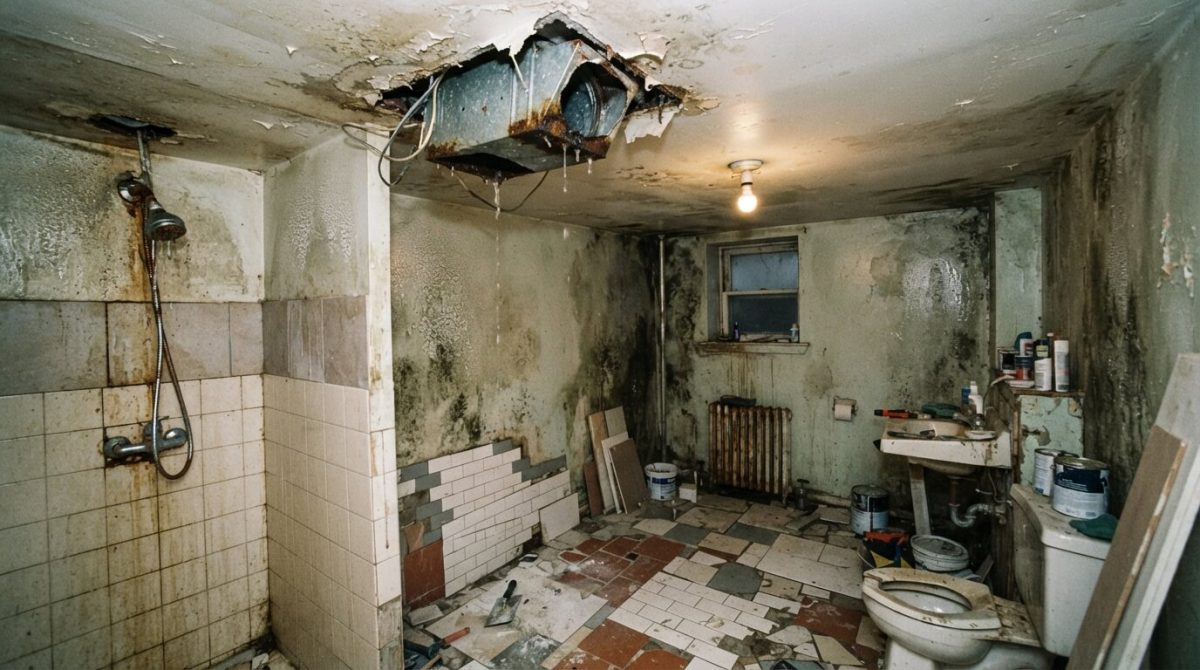
When you’re remodeling your bathroom, overlooking the importance of exhaust fans can lead to significant moisture problems.

Without proper ventilation, excess humidity from showers and baths can create a breeding ground for mold and mildew. This not only damages your walls and fixtures but also affects your health.

Installing a quality exhaust fan helps regulate moisture levels, ensuring a fresh environment. Choose a fan with the right capacity for your space to maximize effectiveness.

Don’t underestimate the role of these fans in maintaining your bathroom’s integrity. By prioritizing proper ventilation, you’ll protect your investment and enhance your bathroom experience.

Underestimating Airflow Needs

Ignoring the importance of exhaust fans can lead to bigger issues, especially when it comes to airflow needs. You might think that a small fan suffices, but that’s often not the case.

When you underestimate how much airflow your bathroom requires, you’re setting yourself up for mold growth, moisture damage, and unpleasant odors. Assess the size of your space and choose a fan that can handle the volume.

A well-ventilated bathroom not only maintains comfort but also protects your investment. Don’t skimp on airflow; it’s essential for a successful remodel and long-lasting performance.

Improper Duct Placement

Although proper duct placement may seem like a minor detail, it plays a vital role in your bathroom’s ventilation efficiency. If you place ducts too close to walls or corners, airflow can become restricted, leading to moisture buildup and potential mold growth.

Make certain to position ducts away from obstructions and direct them towards the exhaust fan for peak performance. Additionally, avoid long duct runs, as they can reduce airflow and increase noise levels.

Neglecting Bathroom Size and Layout

Proper duct placement is just one aspect of ensuring effective ventilation in your bathroom.

You need to take into account the size and layout of the space when planning your remodel. A small bathroom might require a different ventilation strategy than a larger one. If you neglect the dimensions, you could end up with insufficient airflow, leading to mold and odors.

Think about the location of windows and doors, too; they can influence how air circulates. By tailoring your ventilation system to fit your bathroom’s unique size and layout, you’ll create a healthier environment and maximize the benefits of your remodel.

Failing to Address Humidity Control

One common oversight in bathroom remodels is failing to address humidity control effectively. High moisture levels can lead to mold, mildew, and damage, ruining your beautiful renovation.

Make sure your space has a powerful exhaust fan that vents outside, not just into the attic. You might also want to think about installing a dehumidifier for added protection. Proper ventilation helps maintain a comfortable environment while protecting your investment.

Remember to use moisture-resistant materials and paint, too. By prioritizing humidity control, you’ll keep your bathroom fresh and functional for years to come, preventing costly repairs down the line.

Frequently Asked Questions

How Often Should I Run My Bathroom Exhaust Fan?

You should run your bathroom exhaust fan during and for at least 20 minutes after showers or baths.

This helps remove moisture, preventing mold and improving air quality.

Don’t forget to clean it regularly, too!

Can I Install an Exhaust Fan Myself?

Yes, you can install an exhaust fan yourself if you have basic electrical skills and tools.

Just guarantee you follow the manufacturer’s instructions, adhere to local codes, and take necessary safety precautions during installation.

What Size Exhaust Fan Do I Need for My Bathroom?

You’ll need an exhaust fan rated for at least 1 CFM (cubic feet per minute) per square foot of bathroom space.

For example, a 100-square-foot bathroom requires a fan with a 100 CFM rating.

Are There Energy-Efficient Options for Bathroom Ventilation?

Yes, there are energy-efficient options for bathroom ventilation.

Look for ENERGY STAR-rated exhaust fans that use less electricity while providing effective airflow.

Consider models with features like humidity sensors to optimize energy usage and performance.

How Can I Tell if My Ventilation Is Adequate?

To tell if your ventilation’s adequate, check for moisture buildup on surfaces.

Guarantee the fan runs efficiently, and verify that it removes steam quickly.

If not, consider upgrading or adjusting your ventilation system.

Conclusion

To avoid costly bathroom remodel mistakes, prioritize ventilation right from the start. Make sure you install a high-quality exhaust fan that meets your airflow needs and consider proper duct placement. Don’t overlook your bathroom’s size and layout, as these factors play a critical role in effective ventilation. Lastly, address humidity control to prevent mold and damage. By paying attention to these details, you’ll create a comfortable and long-lasting bathroom space that meets your needs.
Categories
Blog

Walk-In Shower vs Bathtub: What Works Best for Westchester Homes

When deciding between a walk-in shower and a bathtub for your Westchester home, think about your space and lifestyle. Walk-in showers offer a sleek, modern look and are great for maximizing space, especially in compact bathrooms. They’re also easier to maintain. On the other hand, bathtubs create a relaxing retreat, perfect for unwinding after a long day. Each option has its benefits, so you’ll want to evaluate them based on your needs and style preferences. There’s more to reflect upon!

Advantages of Walk-In Showers

When you consider a bathroom upgrade, opting for a walk-in shower can greatly enhance your space.

These showers offer a sleek, modern look that instantly elevates your bathroom’s aesthetic. They’re easier to access, making them ideal for individuals with mobility issues.

Plus, walk-in showers often require less water than traditional bathtubs, promoting eco-friendliness. With customizable designs, you can create a shower that fits your style perfectly.

The open concept creates an illusion of more space, making your bathroom feel larger and more inviting.

Benefits of Bathtubs

While walk-in showers offer a modern touch, bathtubs bring their own unique benefits that can enhance your bathroom experience.

They provide a perfect retreat for relaxation, allowing you to soak away stress after a long day. Bathtubs also cater to families, offering a safe space for bathing young children.

Plus, they can add a touch of luxury to your home, creating a spa-like atmosphere. With various styles and materials available, you can easily find one that suits your aesthetic.

Finally, soaking in a warm bath can alleviate muscle tension, making it a fantastic option for self-care.

Space Considerations for Your Bathroom

As you plan your bathroom remodel, considering the available space becomes essential for choosing between a walk-in shower and a bathtub.

If you’re working with a compact bathroom, a walk-in shower can maximize space, offering a sleek and modern look without feeling cramped.

On the other hand, if you have room to spare, a bathtub can create a luxurious retreat.

Think about how you use the space daily—do you prefer quick showers or relaxing baths?

Also, consider storage options.

Ultimately, the right choice hinges on how you balance functionality and comfort within your available area.

Aesthetic Appeal: Walk-In Showers vs. Bathtubs

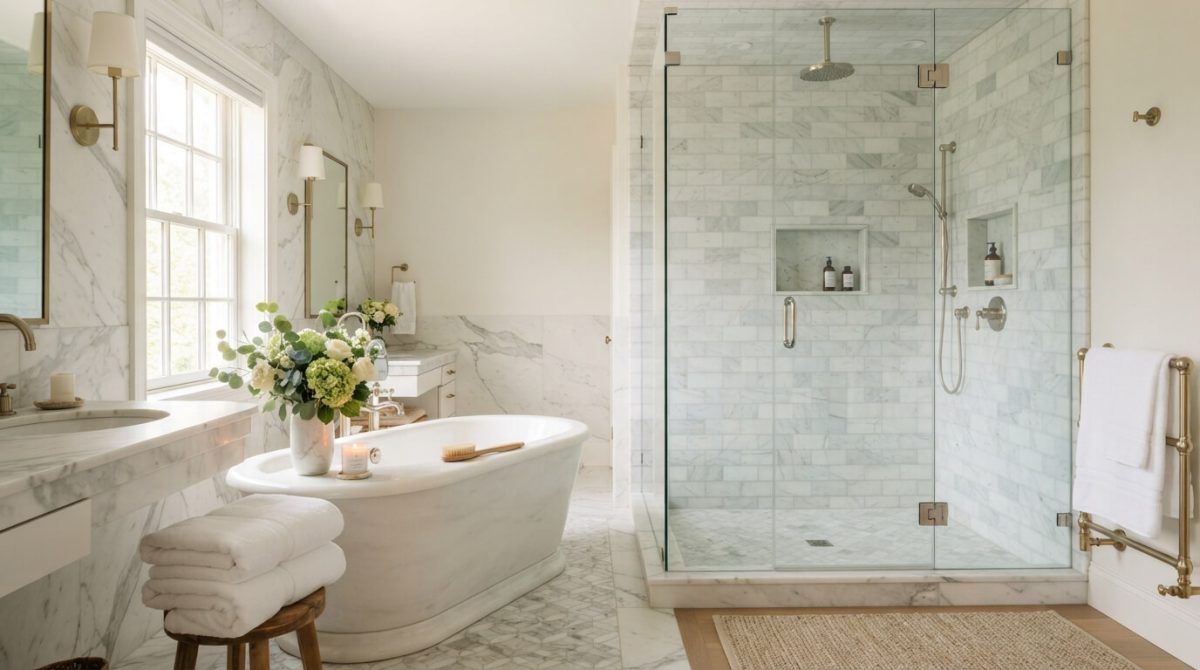
How do you envision the overall look of your bathroom? If you’re aiming for modern elegance, a walk-in shower might be your best bet. Its sleek lines and glass enclosures can create an open, airy feel, making your space look larger.

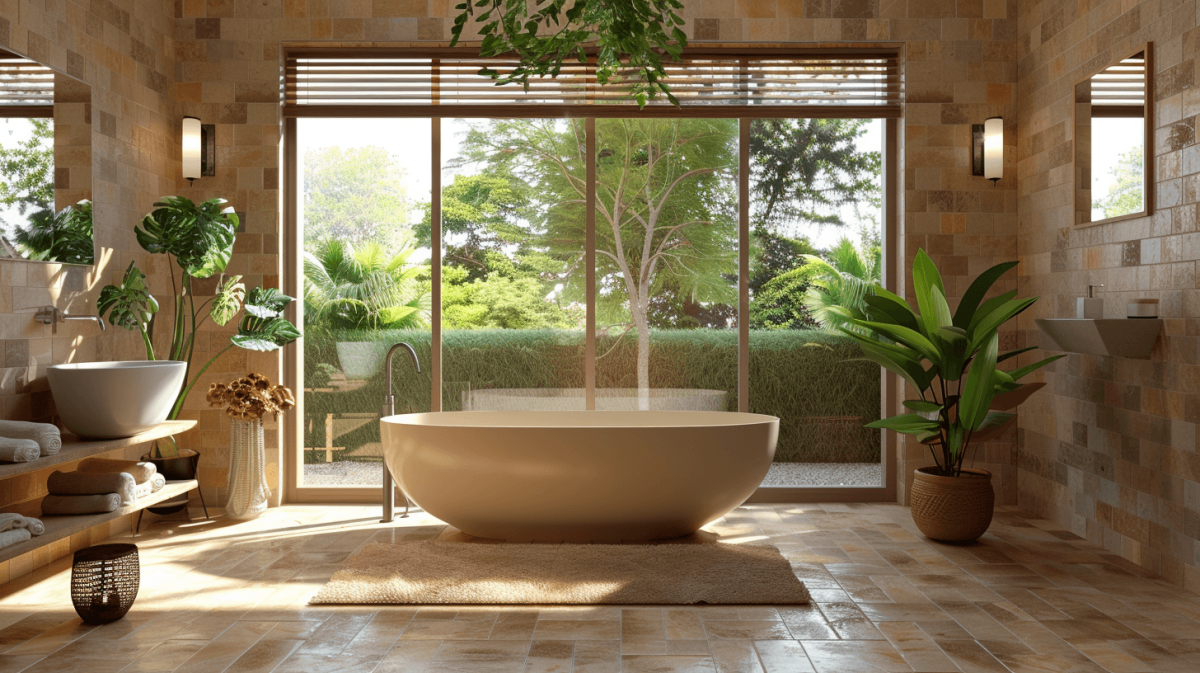
On the other hand, a classic bathtub offers a timeless, luxurious vibe, perfect for relaxation. You might picture a freestanding tub as a stunning centerpiece, adding character and charm.

Ultimately, your choice reflects your personal style—whether you prefer contemporary minimalism or traditional warmth. Consider how each option complements your bathroom’s overall aesthetic to create a space you love.

Maintenance and Longevity Comparison

When considering maintenance and longevity, walk-in showers often require less upkeep than traditional bathtubs.

With fewer joints and grout lines, they’re easier to clean and less prone to mold and mildew. You won’t need to worry about scratched surfaces or chipped porcelain, either.

On the other hand, bathtubs can accumulate soap scum and hard water stains, requiring regular scrubbing.

With regard to longevity, walk-in showers typically last longer due to durable materials like tile and glass.

Frequently Asked Questions

What Is the Average Cost Difference Between Walk-In Showers and Bathtubs?

Walk-in showers typically cost between $1,200 and $5,000, while bathtubs range from $400 to $3,000.

You’ll find that installation costs can vary, so it’s wise to budget for additional expenses.

How Do Walk-In Showers Affect Home Resale Value in Westchester?

Walk-in showers can boost your home’s resale value, appealing to buyers seeking modern, accessible designs.

They often enhance the overall aesthetic and functionality of bathrooms, making your property more competitive in the Westchester market.

Are There Accessibility Options for Both Walk-In Showers and Bathtubs?

Yes, there’re accessibility options for both walk-in showers and bathtubs.

You can install grab bars, non-slip surfaces, and adjustable showerheads to enhance safety and ease of use, ensuring comfort for everyone in your home.

Can I Install a Walk-In Shower in a Small Bathroom?

Yes, you can install a walk-in shower in a small bathroom.

Opt for compact designs and sliding doors to maximize space.

It’ll create a more open feel while providing functionality and style in your bathroom.

How Long Does Installation Typically Take for Each Option?

Installation typically takes one to two days for a walk-in shower,

while a bathtub may require two to three days.

Your timeline can vary based on the complexity and any additional features you want.

Conclusion

Ultimately, choosing between a walk-in shower and a bathtub for your Westchester home depends on your lifestyle and preferences. If you value convenience and modern design, a walk-in shower might be the way to go. However, if you enjoy relaxing baths or have young kids, a bathtub could be more appealing. Consider your space, maintenance needs, and aesthetic goals to make the best decision for your bathroom. Whichever you choose, make it a space you love!

Categories
Blog

Bathroom Remodeling Costs in Yonkers: What Drives the Price Up

Bathroom remodeling costs in Yonkers go up due to several key factors. Labor costs can vary widely based on the project’s scope and complexity, and skilled contractors may charge higher fees. Additionally, the quality of materials you choose impacts both upfront costs and long-term value. Design complexity and the size of your bathroom also play significant roles. Plus, don’t forget about the necessary permits and compliance costs. There’s much more to uncover about these driving factors.

Labor Costs and Contractor Fees

When you’re planning a bathroom remodel in Yonkers, understanding labor costs and contractor fees is vital.

These expenses can vary considerably based on your project’s scope and complexity. Generally, skilled laborers charge hourly rates, and you might also encounter flat fees for specific tasks.

It’s important to get multiple quotes from contractors to compare prices and guarantee you’re getting a fair deal. Remember, cheaper isn’t always better; consider the contractor’s experience and reputation.

Material Quality and Selection

Choosing the right materials for your bathroom remodel not only impacts the overall aesthetic but also affects durability and maintenance. You’ll want to take into account high-quality options like porcelain tiles, natural stone, or marine-grade materials for fixtures.

While these might come with a higher upfront cost, they often save you money in the long run through reduced maintenance and longer lifespans. Don’t overlook cabinetry and countertops; solid wood and quartz can elevate your space considerably.

Balancing your budget with the quality of materials you select will guarantee your bathroom not only looks great but also stands the test of time.

Design Complexity and Customization

Although a simple design might seem easier on the budget, incorporating design complexity and customization can greatly enhance your bathroom’s functionality and appeal.

Custom cabinetry, unique tile patterns, and specialized fixtures not only elevate aesthetics but also cater to your specific needs. When you tailor your space with personalized elements, you create a unique environment that reflects your style.

This customization often includes intricate layouts, lighting designs, or high-end materials that can drive costs up. However, the investment pays off by boosting your home’s value and making your daily routine more enjoyable.

Think of it as crafting your dream space.

Size of the Bathroom

The size of your bathroom plays a significant role in determining remodeling costs. A larger space usually requires more materials, labor, and time, all of which can drive up expenses.

You’ll need to evaluate the cost of tiles, fixtures, and cabinetry, which scales with the area. On the other hand, smaller bathrooms might seem more budget-friendly but can pose unique challenges, like maximizing functionality in tight spaces.

Regardless of size, you’ll want to prioritize quality over quantity to guarantee durability and satisfaction. Ultimately, understanding your bathroom’s dimensions helps you create a realistic budget for your remodeling project.

Permits and Other Regulatory Expenses

When you’re planning a bathroom remodel in Yonkers, obtaining the necessary permits and understanding regulatory expenses is essential.

You’ll need to check local building codes, which can vary and may require specific permits for plumbing, electrical work, or structural changes. These permits come with fees, and failing to obtain them can lead to fines or costly delays.

Additionally, hiring licensed contractors who are familiar with Yonkers regulations can save you headaches down the road.

Frequently Asked Questions

How Can I Save Money on Bathroom Remodeling Costs?

You can save money on bathroom remodeling costs by setting a budget, opting for DIY projects, shopping sales, choosing affordable materials, repurposing fixtures, and hiring local contractors who offer competitive pricing without sacrificing quality.

What Financing Options Are Available for Bathroom Renovations?

You’ve got several financing options for bathroom renovations.

Consider personal loans, home equity lines of credit, or credit cards.

Each option offers flexibility, so choose what fits your budget and renovation timeline best.

Are There Tax Deductions for Bathroom Remodeling Expenses?

Yes, you might be able to claim tax deductions for bathroom remodeling expenses if they improve accessibility or energy efficiency.

Always consult a tax professional to guarantee you meet the requirements and maximize your benefits.

How Long Does a Typical Bathroom Remodel Take?

A typical bathroom remodel usually takes about three to four weeks.

You’ll need to contemplate prep work, ordering materials, and unexpected delays, so it’s wise to plan for some flexibility in your timeline.

What Common Mistakes Should I Avoid During Remodeling?

Avoid common mistakes like underestimating your budget, neglecting proper planning, and choosing trendy designs that may not age well.

Don’t rush decisions; take your time to guarantee every detail fits your vision and needs.

Conclusion

When you’re tackling a bathroom remodel in Yonkers, it’s crucial to consider the various factors driving costs. From labor and materials to design complexity and permits, each element plays a role in your overall budget. By understanding these components, you can make informed decisions that align with your vision and financial plan. So, whether you’re opting for high-end finishes or a simple update, keep these factors in mind to ensure a successful and cost-effective remodel.

Categories
Blog

The Best Moisture-Resistant Paints and Finishes for Miami Bathrooms

When selecting moisture-resistant paints and finishes for your Miami bathroom, opt for products labeled for high humidity, like Benjamin Moore Aura or Sherwin-Williams Duration. Choose satin or semi-gloss finishes for walls, as they repel moisture effectively. For flooring, consider water-resistant vinyl or ceramic tiles. Don’t forget to clean surfaces and use a proper primer for better results. If you want to explore stylish color schemes and application tips, there’s plenty more to discover!

Understanding the Importance of Moisture-Resistant Products

When it comes to painting bathrooms, understanding the importance of moisture-resistant products is essential. You’re dealing with high humidity and frequent water exposure, which can lead to mold, mildew, and peeling paint.

Using moisture-resistant paints helps protect your walls, ensuring they stay fresh and vibrant for longer. These specialized products create a barrier against dampness, reducing the risk of costly repairs down the line.

Additionally, they often come in a variety of finishes and colors, allowing you to maintain your desired aesthetic while ensuring durability.

Ultimately, choosing the right paint can make a significant difference in your bathroom’s longevity and appearance.

Top Paints for Humid Environments

Choosing the right paint for humid environments can greatly impact your bathroom’s durability and appearance.

Look for paints labeled as moisture-resistant or specifically designed for bathrooms. Brands like Benjamin Moore Aura and Sherwin-Williams Duration offer excellent mildew resistance and long-lasting finishes.

Additionally, consider using a satin or semi-gloss finish, as these repel moisture better than flat paints.

Don’t forget to check for low-VOC options to keep your space healthy.

Best Finishes for Bathroom Surfaces

Finding the right paint is just the beginning; selecting the best finishes for your bathroom surfaces can elevate both function and aesthetics.

Consider using satin or semi-gloss finishes for walls, as they provide durability and moisture resistance while being easy to clean. For cabinetry, a high-gloss finish can add a sleek look and withstand humidity.

When it comes to trim and moldings, a semi-gloss finish not only highlights architectural details but also offers protection against moisture.

Finally, don’t overlook your flooring; water-resistant vinyl or ceramic tiles can provide both style and practicality in your bathroom oasis.

Tips for Application and Maintenance

To achieve a professional-looking finish with moisture-resistant paints, preparation is key.

Start by cleaning the surface thoroughly to remove any mold or mildew. After that, apply a primer specifically designed for high-moisture areas—this enhances adhesion and durability.

Use a high-quality brush or roller for even application, and work in sections to maintain a wet edge. Don’t rush; allow adequate drying time between coats.

Once the painting is complete, keep the bathroom well-ventilated to prevent moisture buildup.

Regularly check for any signs of peeling or discoloration, and address issues promptly to maintain your paint’s integrity.

Stylish Color Schemes for Miami Bathrooms

While you might be drawn to classic neutrals, vibrant color schemes can truly elevate your Miami bathroom, creating an inviting oasis that reflects the city’s lively spirit.

Consider pairing soft aqua with coral accents for a fresh coastal vibe. Alternatively, bold tropical hues like sunny yellows and rich greens can energize the space.

Don’t shy away from mixing patterns—floral tiles or textured wallpapers can make a statement. For a more sophisticated look, try deep navy or charcoal with metallic gold accents.

Whatever palette you choose, make certain it harmonizes with your fixtures and overall decor for a cohesive, stylish finish.

Frequently Asked Questions

How Do I Test Paint for Moisture Resistance?

To test paint for moisture resistance, apply a small amount on a surface, let it dry, then place a damp cloth over it for 24 hours.

Check for any discoloration or peeling afterward.

Can I Use Regular Paint in Humid Bathrooms?

No, you shouldn’t use regular paint in humid bathrooms.

It won’t resist moisture well, leading to peeling and mold.

Instead, opt for moisture-resistant paint designed specifically for high-humidity environments to guarantee durability and longevity.

What Are the Signs of Moisture Damage in Paints?

You’ll notice signs of moisture damage in paint through bubbling, peeling, or flaking surfaces.

Discoloration or mold growth can also appear, indicating that the paint isn’t holding up well against high humidity levels in your environment.

How Long Do Moisture-Resistant Paints Last?

Moisture-resistant paints typically last around five to ten years, depending on the quality and application.

Regular maintenance and proper surface preparation can extend their lifespan, keeping your walls looking fresh and protected against moisture damage.

Are There Eco-Friendly Moisture-Resistant Options Available?

Yes, there are eco-friendly moisture-resistant options available.

Look for paints with low or no volatile organic compounds (VOCs) and sustainable ingredients.

These choices help protect the environment while still providing durability and moisture resistance.

Conclusion

In conclusion, choosing the right moisture-resistant paints and finishes is essential for your Miami bathroom. By selecting top products designed for humid environments, you’ll protect your surfaces while maintaining style. Remember to follow application tips and regular maintenance to keep everything looking fresh. With the right colors and finishes, you can create a beautiful, functional space that stands up to the challenges of Miami’s climate. So, go ahead and transform your bathroom into a moisture-resistant oasis!

Categories
Blog

Kitchen and Bathroom Remodeling: Why You Need an Experienced Home Contractor in Yonkers, NY

When you think about remodeling your kitchen or bathroom in Yonkers, NY, you might underestimate the value of hiring an experienced home contractor. They bring local expertise that’s essential for navigating design preferences and building codes, ensuring your project meets all requirements. Plus, their technical skills can turn your vision into reality with quality finishes. But what really sets them apart is their ability to manage projects efficiently, keeping everything on schedule and within budget. Understanding these aspects can be the difference between a successful remodel and a frustrating experience, so let’s explore why this choice matters.

Importance of Local Expertise

When you’re planning a kitchen or bathroom remodel, tapping into local expertise can make all the difference.

Local contractors understand the unique needs and styles of your area, ensuring your remodel fits seamlessly into the neighborhood. They’re familiar with local building codes, which helps you avoid costly mistakes and delays.

Plus, their established relationships with suppliers can lead to better pricing on materials. When you choose a contractor who knows the local market, you gain access to valuable insights about trends and preferences.

This knowledge can inspire creative design choices that reflect your personal style while enhancing your home’s value. Ultimately, partnering with local experts gives you peace of mind, knowing your project is in capable hands.

Technical Skills and Knowledge

Technical skills and knowledge play a crucial role in the success of your kitchen or bathroom remodel. When you hire an experienced contractor, you’re tapping into their expertise in plumbing, electrical work, and carpentry.

They understand local building codes and regulations, ensuring your project meets all legal requirements. With their technical know-how, they can troubleshoot potential issues before they arise, saving you time and money.

They also know how to select the right materials, maximizing durability and aesthetics. By leveraging their skills, you’ll get a high-quality finish that enhances your home’s value.

Ultimately, having someone with the right technical abilities can make all the difference in achieving the beautiful, functional space you envision.

Project Management Efficiency

Effective project management is essential for a smooth kitchen or bathroom remodel. You want to keep the project on track, ensuring timelines and budgets are met.

An experienced contractor will coordinate various trades, manage resources, and handle any unexpected challenges that arise. They’ll create a detailed project schedule, allowing you to know when each phase will start and finish.

Communication is key; your contractor should keep you informed about progress, changes, and any potential delays. By streamlining processes and making quick decisions, they’ll minimize disruptions and keep your project moving forward.

With a skilled contractor, you can focus on your vision while they handle the logistics, resulting in a successful remodel that meets your expectations.

Design Trends and Aesthetics

In today’s remodeling landscape, embracing the latest design trends and aesthetics can transform your kitchen or bathroom into a stunning space that reflects your personal style.

You might consider elements like open shelving, which adds both functionality and a modern touch. Bold colors and patterns can create visual interest, while minimalist designs promote a clean, serene environment.

Don’t overlook the impact of lighting; statement fixtures can serve as focal points. Incorporating natural materials, such as wood or stone, adds warmth and texture.

Additionally, smart technology can enhance convenience and efficiency, seamlessly blending with your design.

Cost-Effective Solutions

When it comes to remodeling your kitchen or bathroom, achieving a stylish look doesn’t have to break the bank.

Start by focusing on minor updates, like painting cabinets instead of replacing them. You can also opt for affordable fixtures, which can make a big impact without a hefty price tag.

Consider using laminate or vinyl flooring that mimics the look of more expensive materials.

Don’t overlook the power of smart storage solutions; utilizing space efficiently can enhance functionality and aesthetics.

You might also explore DIY options for simple tasks, which can save you money on labor.

Frequently Asked Questions

How Long Will My Remodeling Project Take to Complete?

The timeline for your remodeling project depends on several factors, like the scope and complexity.

Generally, it can take a few weeks to a few months.

Communicating with your contractor will help you set realistic expectations.

What Permits Are Required for Kitchen and Bathroom Remodeling?

When remodeling, you’ll need permits depending on your project scope.

Commonly required permits include electrical, plumbing, and structural permits.

Always check local regulations to ensure you’ve got everything needed for a smooth process.

Can I Live in My Home During the Renovation?

You can live in your home during renovations, but it might be challenging.

You’ll experience noise, dust, and limited access to certain areas.

Make plans for comfort and safety to ease the process.

What Happens if Unexpected Issues Arise During the Project?

If unexpected issues arise during your project, you’ll need to reassess timelines and budgets.

Your contractor’ll communicate solutions, adjust plans, and keep you informed, ensuring the project stays as smooth as possible despite challenges.

How Do I Choose the Right Materials for My Remodel?

To choose the right materials for your remodel, consider durability, maintenance, and style.

Research options, compare prices, and consult with professionals.

Prioritize materials that match your vision, lifestyle, and budget for the best results.

Conclusion

In Yonkers, having an experienced home contractor for your kitchen and bathroom remodeling isn’t just a smart choice—it’s essential. They bring local expertise, technical skills, and project management efficiency that keeps everything on track. Plus, their knowledge of current design trends ensures your space looks stylish and inviting. With their connections, you’ll find cost-effective solutions that fit your budget. So, don’t take chances; partner with a local expert to transform your home into the haven you’ve always wanted.

Categories
Blog

Understanding Bathroom Remodeling Costs in Westchester County

When you start planning a bathroom remodel in Westchester County, it’s essential to grasp the various factors that influence costs. From the size of your space to the specific fixtures you choose, each decision can significantly impact your budget. You might find that mid-range projects typically fall between $15,000 and $25,000, but that’s just the beginning. Understanding how labor costs and unexpected expenses fit into the equation could make all the difference in your renovation journey. So, what should you prioritize to keep your project on track and within budget?

Key Factors Affecting Costs

When planning a bathroom remodel in Westchester County, several key factors can significantly impact your costs.

First, the size of your bathroom plays a crucial role; larger spaces often demand more materials and labor. Additionally, your choice of fixtures and finishes will affect your budget. High-end tiles, faucets, and vanities can quickly escalate expenses.

Labor costs also vary based on the complexity of your project and the experience of the contractors you hire. Don’t forget about permits and inspections, which may be required depending on the scope of your remodel.

Lastly, unexpected issues like plumbing or electrical problems can arise, leading to additional costs. Being aware of these factors will help you plan more effectively and manage your budget.

Average Cost Breakdown

Breaking down the average costs of a bathroom remodel in Westchester County helps you understand where your budget will go.

Typically, you can expect to spend around $15,000 to $25,000 for a mid-range remodel. Labor usually accounts for 20-35% of the total cost, while fixtures and materials make up the bulk of your expenses.

For instance, vanities and countertops can range from $1,000 to $3,000, and plumbing upgrades might set you back anywhere from $500 to $2,000.

Don’t forget about permits and potential unforeseen costs, which can add another 10% to your budget.

Material Choices and Their Impact

Choosing the right materials for your bathroom remodel can significantly influence both the aesthetic and cost of the project. When selecting tiles, countertops, and fixtures, you’ll want to balance style with durability.

For instance, natural stone can add luxury but often comes with a higher price tag, while ceramic tiles offer a more budget-friendly option.

Don’t overlook the importance of finishes, either; they can dramatically change the look without a substantial cost increase. Consider water-resistant materials, especially for vanities and cabinets, to ensure longevity.

Labor Costs in Westchester

Labor costs in Westchester can significantly impact your bathroom remodeling budget, often accounting for a large portion of the total expenses.

When hiring contractors, you’ll find that rates can vary based on their experience, reputation, and the complexity of your project. Generally, skilled labor costs range from $50 to $150 per hour, depending on the scope of work.

Keep in mind that specialized trades, like plumbers and electricians, may charge even more. It’s essential to get multiple quotes to ensure you’re getting a fair price.

Additionally, consider the timeline of your project; delays can increase labor costs as contractors may charge for extended hours. Planning ahead can help you manage these expenses effectively.

Budgeting Tips for Homeowners

Successful bathroom remodeling often hinges on effective budgeting, so it’s crucial to approach your finances with a clear plan.

Start by determining your total budget and stick to it. Prioritize must-haves versus nice-to-haves—this helps avoid overspending on non-essentials.

Research average costs for materials and labor in Westchester County to set realistic expectations. Don’t forget to factor in unexpected expenses; it’s wise to allocate about 10% of your budget for contingencies.

Get multiple quotes from contractors to ensure you’re getting a fair price. Finally, consider DIY options for smaller tasks, but know your limits to avoid costly mistakes.

Frequently Asked Questions

How Long Does a Typical Bathroom Remodel Take in Westchester County?

A typical bathroom remodel usually takes about three to six weeks, depending on the complexity of the project.

You’ll need to consider factors like design choices, contractor availability, and any unexpected issues that may arise.

Are Permits Required for Bathroom Renovations in Westchester County?

Yes, you’ll need permits for bathroom renovations in Westchester County.

It’s essential to check local regulations before starting your project, as they’ll ensure your renovation complies with safety and building codes.

Don’t skip this step!

Can I Remodel My Bathroom Myself to Save Money?

Yes, you can remodel your bathroom yourself to save money.

Just be sure to research the necessary skills and tools, and consider your time commitment.

It’s a rewarding project if you’re prepared and informed.

What Financing Options Are Available for Bathroom Remodeling Projects?

You’ve got several financing options for your bathroom remodel.

Consider personal loans, home equity lines of credit, or contractor financing.

Each option has its pros and cons, so weigh them carefully before deciding.

How Do I Choose a Reliable Contractor in Westchester County?

To choose a reliable contractor, research local reviews, ask for referrals, and check credentials.

Interview multiple candidates, compare quotes, and ensure they communicate well.

Trust your instincts; a good contractor should feel right for your project.

Conclusion

In conclusion, understanding bathroom remodeling costs in Westchester County is crucial for your project’s success. By considering key factors like size, materials, and labor, you can create a realistic budget. Remember to account for permits and potential surprises along the way. With careful planning and informed decisions, you’ll be well-prepared to transform your bathroom into a beautiful and functional space that meets your needs without breaking the bank. Happy remodeling!

Categories
Blog

A Guide to Bathroom Remodeling in Westchester County

When you’re considering a bathroom remodel in Westchester County, it’s essential to start with a solid plan. You’ll want to clearly define your goals, measure your space accurately, and gather some design inspiration that speaks to you. Setting a realistic budget is crucial, so don’t forget to factor in a contingency fund for any surprises that might arise. But before you dive into material choices or contractor research, there are specific strategies to ensure your project runs smoothly and meets your expectations. Understanding these methods can make all the difference in achieving the bathroom you envision.

Planning Your Bathroom Remodel

Planning your bathroom remodel can feel overwhelming, but breaking it down into manageable steps makes it easier.

Start by identifying your goals. Do you want more space, better storage, or an updated style? Once you’ve defined your vision, measure your bathroom and note any existing features that need consideration, like plumbing and electrical layouts.

Next, gather inspiration from magazines, websites, or showrooms to visualize your design. Create a wishlist of must-haves versus nice-to-haves to prioritize your selections.

Finally, consider the flow of the space—ensure that the layout promotes ease of movement and functionality.

With these steps, you’ll lay a strong foundation for a successful remodel that meets your needs and reflects your style.

Setting a Realistic Budget

Setting a realistic budget is crucial for a successful bathroom remodel, and it starts with understanding your financial limits.

Take a close look at your savings, monthly expenses, and potential financing options. Determine how much you can comfortably spend without stretching your finances too thin.

It’s wise to include a contingency fund—typically 10-20% of your total budget—for unexpected costs that might arise during the project.

Gather quotes from contractors to get a better idea of labor costs and allocate funds for permits if necessary.

Prioritize your must-haves and be prepared to adjust your plans if your dream remodel exceeds your budget.

Choosing Materials and Fixtures

When it comes to choosing materials and fixtures for your bathroom remodel, the options can feel overwhelming. Start by considering your style and how you want the space to function.

For countertops, materials like quartz or granite offer durability and elegance, while laminate can be budget-friendly. When selecting tiles, think about slip resistance and maintenance; porcelain tiles are a popular choice for their longevity.

Fixtures like faucets and showerheads should balance aesthetics and functionality—look for water-efficient models to save on utility bills.

Don’t forget about lighting; layered lighting can enhance the ambiance and practicality of the space.

Finding Reliable Contractors

Finding reliable contractors is crucial for a successful bathroom remodel. Start by asking for recommendations from friends, family, or neighbors who’ve recently renovated.

Once you’ve compiled a list, check online reviews and ratings to gauge their reputation. Don’t hesitate to interview multiple contractors to discuss your vision and gather estimates.

Make sure they’re licensed and insured, as this protects you from potential liabilities. Ask for references and follow up with past clients to assess their satisfaction.

It’s essential to communicate clearly about timelines, budgets, and expectations. Trust your instincts; if something feels off during your interactions, it’s okay to keep looking.

A solid contractor won’t only bring your vision to life but will also ensure a smooth renovation process.

Tips for a Successful Renovation

Successful renovations hinge on careful planning and clear communication. Start by setting a realistic budget and timeline to avoid unexpected costs and delays.

Make a detailed list of your must-haves and nice-to-haves for your bathroom, prioritizing them based on your needs.

Don’t hesitate to consult with your contractor regularly; ask questions and clarify any uncertainties.

Choose quality materials that fit your style and durability requirements.

If you’re considering DIY, ensure you have the necessary skills and tools to avoid costly mistakes.

Finally, keep the lines of communication open with all parties involved, including suppliers and subcontractors.

Frequently Asked Questions

How Long Does a Typical Bathroom Remodel Take?

A typical bathroom remodel usually takes about three to six weeks, depending on the project’s scope.

You’ll need to factor in design, materials, and any unexpected delays to get a clearer timeline for your renovation.

Can I Live in My House During the Remodel?

Yes, you can live in your house during the remodel, but it might be inconvenient.

You’ll need to adjust your routine, especially if the bathroom is out of commission for a while.

Plan accordingly!

What Permits Do I Need for Remodeling?

You’ll need various permits depending on your project’s scope.

Typically, you’ll require a building permit, plumbing permit, and electrical permit.

Check with your local authorities to ensure you’ve got everything covered before starting.

How Can I Maximize Small Bathroom Space?

To maximize your small bathroom space, use vertical storage, select compact fixtures, and incorporate mirrors for reflection.

Keep colors light and consider multifunctional furniture to enhance usability while maintaining a stylish, open feel.

What Are the Latest Bathroom Design Trends?

You’ll find that integrating natural materials, bold colors, and smart storage solutions are trending in bathroom design.

Minimalist aesthetics and eco-friendly fixtures also dominate the space, creating a modern, inviting atmosphere that enhances functionality.

Conclusion

In conclusion, by planning carefully and sticking to your budget, you can create a bathroom that meets your needs and style. Choose quality materials and fixtures that reflect your vision, and don’t hesitate to seek out reliable contractors who can bring your ideas to life. Keep communication open throughout the process, and remember to set aside a contingency fund for any surprises. With these steps, you’ll enjoy a successful renovation that transforms your space beautifully.