You’re likely aware that sustainability is becoming a priority in construction, but have you considered how Westchester contractors are specifically adopting these practices? They’re incorporating eco-friendly materials and energy-efficient designs, which not only enhance project outcomes but also reflect a growing commitment to environmental responsibility. As these contractors navigate the complexities of sustainable building, they’re also shaping the local community’s future. Yet, with innovation comes challenges that could impact their progress. What exactly are these challenges, and how are they addressing them?
Eco-Friendly Materials in Construction
In recent years, the construction industry has made significant strides towards incorporating eco-friendly materials, and you might be surprised by the variety available today.
You can choose from recycled steel, which reduces waste and conserves natural resources, or bamboo, a rapidly renewable resource that’s both strong and lightweight.
Reclaimed wood adds character while minimizing deforestation, and low-VOC paints improve indoor air quality.
Additionally, you’ll find innovative options like hempcrete, which isn’t only sustainable but also provides excellent insulation.
By opting for these materials, you’re not just building responsibly, but you’re also contributing to a healthier planet.
As you embark on your construction projects, consider how these eco-friendly choices can elevate both your design and sustainability efforts.
Energy-Efficient Design Practices
Choosing eco-friendly materials is just the beginning of creating a sustainable construction project.
You’ll want to focus on energy-efficient design practices that maximize comfort and minimize energy consumption. Start by incorporating passive solar design, which uses natural sunlight to heat and light your space. Proper insulation and energy-efficient windows can significantly reduce heating and cooling costs.
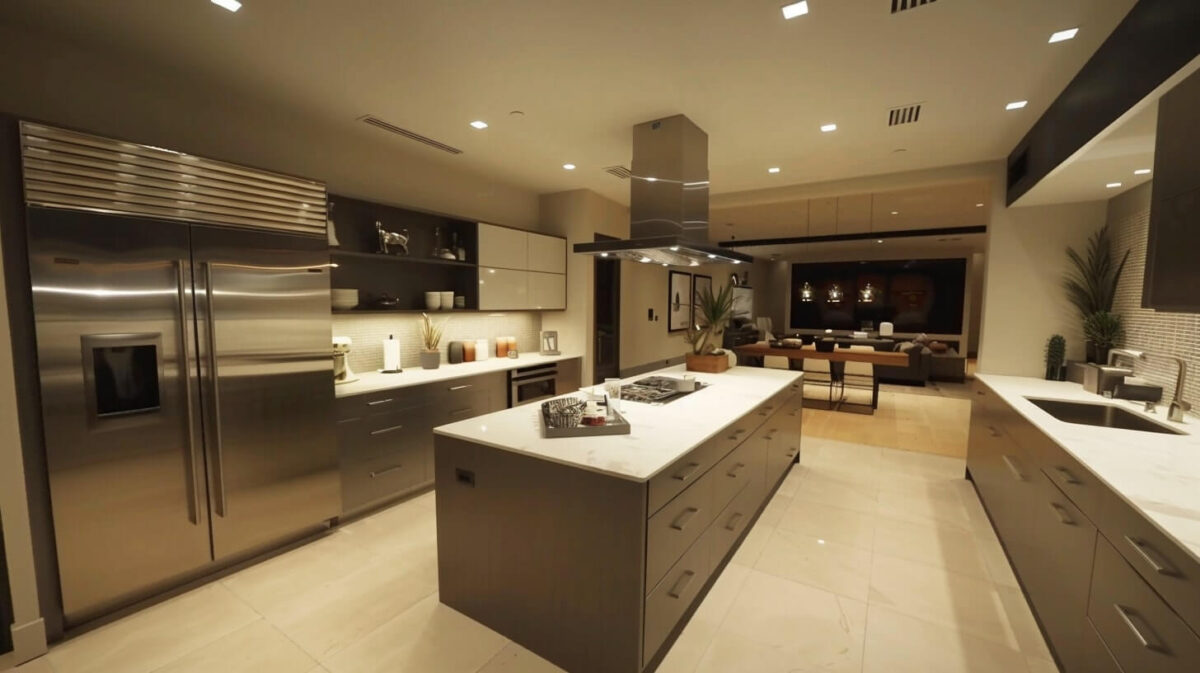
Consider implementing smart home technology to optimize energy usage, allowing you to monitor and control systems remotely. Additionally, using energy-efficient appliances can make a big difference in your overall energy consumption.
Innovative Waste Reduction Techniques
Effective waste reduction techniques are essential for sustainable construction, and they can significantly minimize the environmental impact of your projects.
You can start by implementing a detailed waste management plan before breaking ground. This plan should include strategies like material reuse and recycling, ensuring that as much waste as possible is diverted from landfills.
Consider using prefabricated materials, which can reduce onsite waste and improve efficiency.
You might also explore digital tools for inventory management, allowing you to track materials and minimize over-ordering.
Additionally, engage your team in waste sorting and recycling initiatives during construction.
Community Impact and Benefits
Sustainable construction practices not only benefit the environment but also strengthen community ties. By choosing local materials and labor, contractors like you support the economy and create jobs for your neighbors.
This approach fosters a sense of pride and ownership within the community, as residents see their investment in local resources paying off. Moreover, sustainable projects often incorporate green spaces and community facilities, enhancing the quality of life for everyone.
You’ll notice that these initiatives encourage collaboration and engagement among residents, leading to stronger relationships. When the community comes together to support sustainable practices, it cultivates a culture of environmental stewardship, inspiring future generations to prioritize sustainability.
Ultimately, your efforts can create a lasting positive impact that extends beyond construction.
Challenges in Sustainable Building
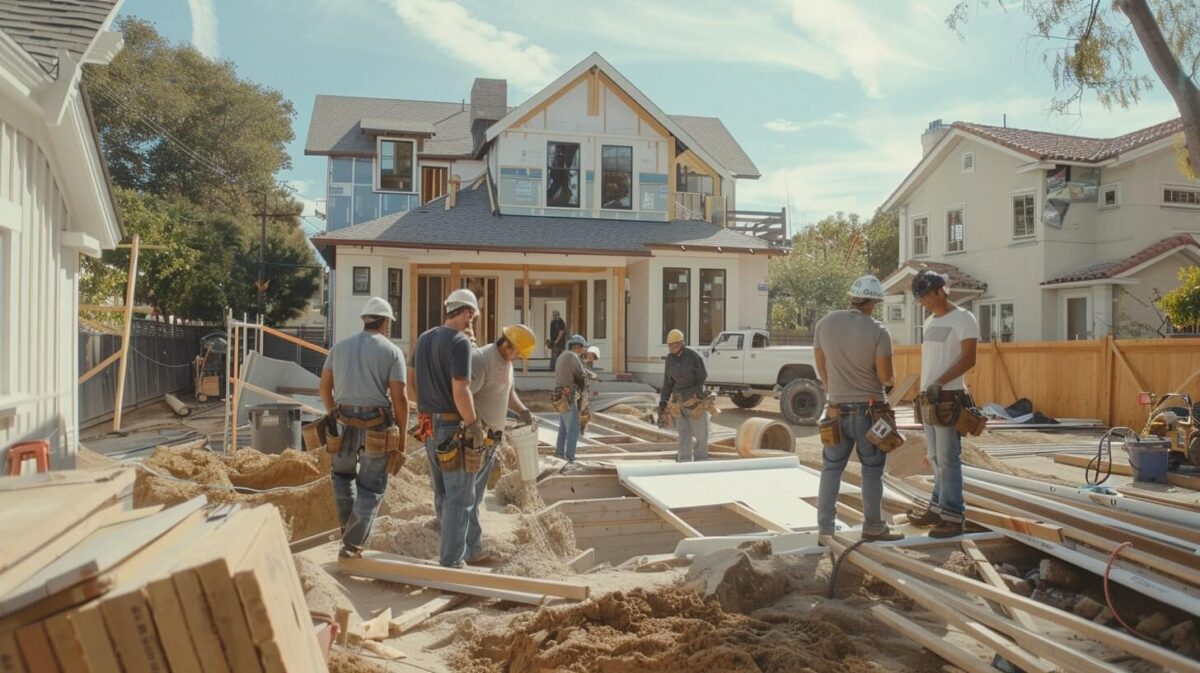
Navigating the challenges in sustainable building can feel daunting for contractors.
You’ll encounter issues like higher upfront costs and limited access to sustainable materials. Many clients may not fully understand the benefits of green building, making it tough to justify these expenses.
Additionally, navigating ever-changing regulations can be frustrating; staying updated on local codes and sustainability standards is essential.
Workforce training is another hurdle—your team needs to be skilled in sustainable practices to deliver quality results.
Finally, balancing sustainability with aesthetic appeal can lead to creative constraints.
By confronting these obstacles head-on, you can find innovative solutions that not only enhance your projects but also promote a greener future for Westchester and beyond.
Embracing these challenges can set you apart in the market.
Frequently Asked Questions
What Certifications Do Westchester Contractors Need for Sustainable Building Practices?
You’ll want to look for certifications like LEED, Green Globes, and Energy Star.
These show that contractors meet sustainable building standards.
Checking for these certifications can help ensure your project aligns with eco-friendly practices.
How Do Clients Typically Respond to Sustainable Construction Proposals?
Clients often respond positively to sustainable construction proposals, appreciating the long-term cost savings and environmental benefits.
They’re excited about innovative designs and energy-efficient solutions that align with their values and contribute to a greener future.
Are There Financial Incentives for Choosing Sustainable Construction in Westchester?
Yes, there’re financial incentives for choosing sustainable construction in Westchester.
You might benefit from tax credits, energy rebates, or reduced utility costs, which can significantly lower your overall project expenses and enhance long-term savings.
How Long Does a Sustainable Construction Project Usually Take?
A sustainable construction project typically takes longer than traditional builds, often ranging from several months to a year.
Factors like design complexity, materials, and permitting can all impact your project’s timeline, so plan accordingly.
What Training Do Contractors Receive for Implementing Sustainable Practices?
Contractors typically undergo training in green building techniques, energy-efficient systems, and sustainable materials.
They learn to implement eco-friendly practices, ensuring compliance with regulations while enhancing their skills to meet the growing demand for sustainable construction solutions.
Conclusion
Westchester contractors are leading the way in sustainable building, showing that eco-friendly practices are not just beneficial for the environment but also for the community. By using recycled materials, designing energy-efficient spaces, and minimizing waste, they’re setting an inspiring example for others to follow. While challenges exist, their commitment to sustainability is paving the path for a greener future. You can support these efforts by choosing sustainable options in your own projects and advocating for eco-conscious practices.