Categories
Blog

How Contractors Handle Unexpected Issues During Renovations

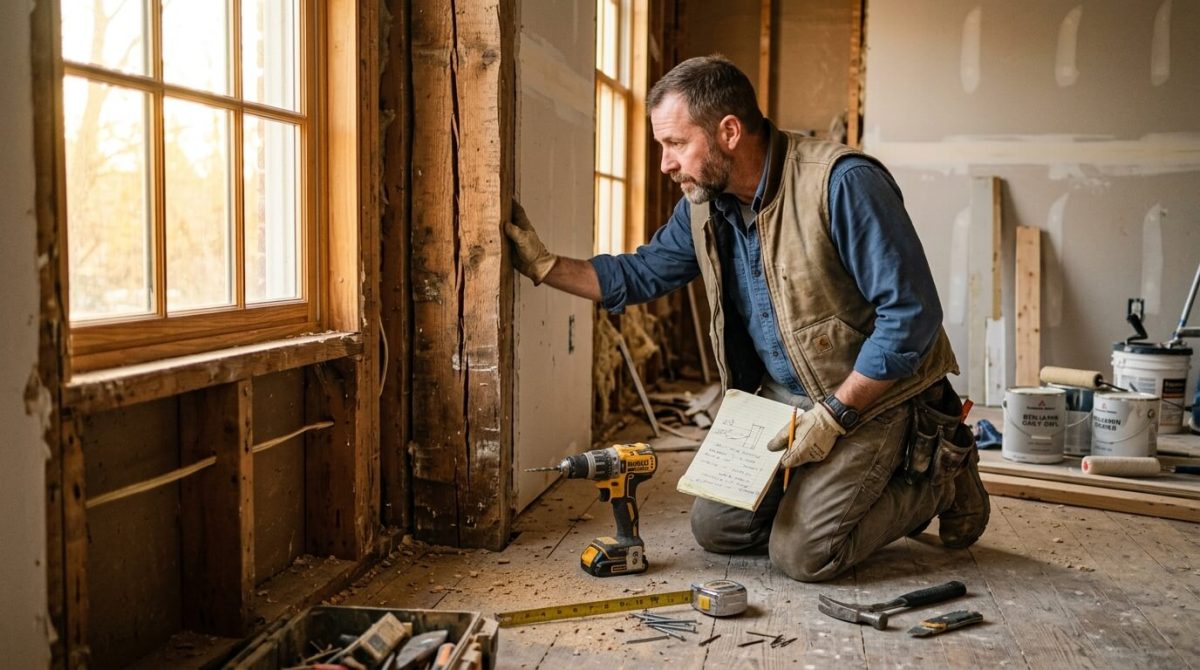
Contractors handle unexpected issues during renovations by spotting hidden problems early, like water damage or structural weaknesses. They prioritize open communication with you, keeping you updated on challenges and solutions. Creative problem-solving comes into play, allowing them to explore alternatives and collaborate with their team. When issues arise, they adjust project timelines and budgets while documenting changes. Learning from past experiences helps them refine their strategies, ensuring smoother renovations for everyone involved. Discover more insights to enhance your renovation experience.

Identifying Hidden Issues Early

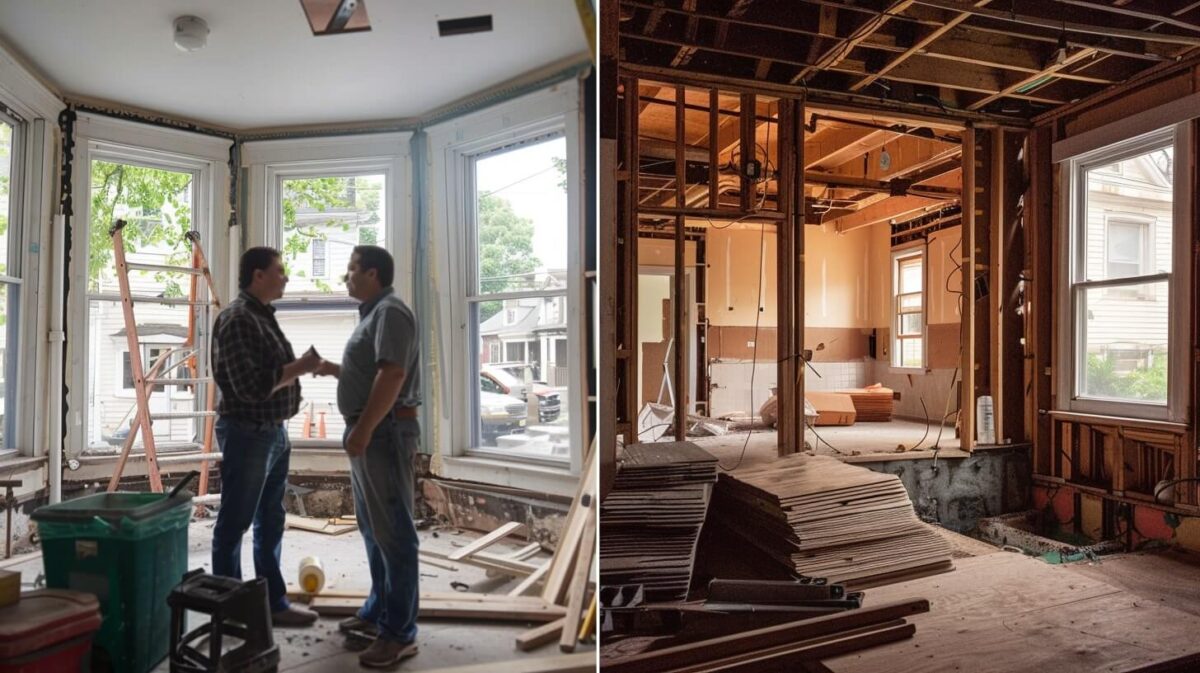
When you start a project, it’s essential to identify hidden issues early, as tackling problems before they escalate can save time and money.

Begin with a thorough inspection of the site, looking for signs of water damage, structural weaknesses, or outdated wiring. Don’t overlook potential hazards lurking behind walls or under floors. Engaging a qualified inspector can uncover these issues early on.

Also, consider past renovations or local building codes that might reveal unexpected complications. By addressing these hidden issues upfront, you’ll create a smoother workflow and minimize costly delays, ensuring your project stays on track and within budget.

Effective Communication With Clients

Effective communication with clients is essential for managing unexpected issues during a project, as it builds trust and fosters collaboration.

You should keep your clients informed about potential challenges and your proposed solutions. Regular updates, whether through emails or calls, help maintain transparency.

Encourage clients to voice their concerns or preferences, ensuring they feel heard and valued. When you explain the reasons behind decisions clearly, it strengthens your relationship.

Remember, effective communication isn’t just about sharing information; it’s about actively listening and adapting to your client’s needs.

This approach will lead to a smoother renovation process and happier clients.

Creative Problem-Solving Techniques

While keeping clients informed helps build trust, it’s also important to tackle unexpected issues head-on with creative problem-solving techniques.

Think outside the box; brainstorm alternatives that could resolve the problem efficiently. Collaborate with your team to leverage diverse perspectives and experiences.

When faced with a roadblock, visualize the end goal, and explore multiple pathways to get there. Don’t hesitate to involve clients in the process, as their feedback can spark innovative ideas.

Adjusting Project Timelines and Budgets

Adjusting project timelines and budgets is vital, especially when unexpected issues arise.

You’ll need to assess the situation quickly, determining how much extra time and money are required. Communicate openly with your team and clients to set realistic expectations.

It’s important to prioritize essential tasks, reallocating resources where necessary. Keep track of all changes, documenting reasons and impacts on the overall project.

This transparency helps maintain trust and allows for smoother adjustments down the line. By staying flexible and proactive, you can navigate these challenges effectively, ensuring your renovation project stays on track despite the hurdles you face.

Learning From Past Experiences

Reflecting on past experiences is essential for contractors maneuvering unexpected issues. By analyzing previous projects, you’ll identify patterns and common pitfalls, which can guide your decision-making in the future.

When faced with surprise challenges, draw on lessons learned to implement effective solutions quickly. Keep a record of what worked and what didn’t to refine your strategies over time.

Encourage open communication with your team, sharing insights from past renovations. This collaborative approach fosters a culture of continuous improvement, ensuring you’re better equipped to tackle any issues that arise.

Ultimately, learning from experience leads to smoother projects and satisfied clients.

Frequently Asked Questions

How Do Contractors Prioritize Unexpected Issues During Renovations?

Contractors prioritize unexpected issues by evaluating their impact on the project timeline and budget.

They communicate with you, making quick decisions to address critical problems first, ensuring renovations stay on track and meet your expectations.

What Types of Hidden Issues Are Most Common in Renovations?

You’ll often encounter hidden issues like plumbing leaks, electrical problems, mold growth, and structural damage.

These surprises can derail timelines and budgets, so staying vigilant during renovations helps you catch them early.

How Do Contractors Handle Client Expectations for Unforeseen Problems?

Contractors manage client expectations by communicating transparently about potential issues, providing detailed timelines, and offering solutions.

They guarantee you understand the process and costs, keeping you informed to reduce anxiety and build trust throughout the renovation.

What Insurance Coverage Is Recommended for Renovation Projects?

For renovation projects, you should consider general liability insurance, workers’ compensation, and builder’s risk coverage.

These policies protect you against potential damages, injuries, and losses, ensuring your project stays on track and financially secure.

How Can Homeowners Prepare for Unexpected Issues in Renovations?

To prepare for unexpected issues in renovations, you should set aside a contingency budget, communicate openly with your contractor, research potential problems, and remain flexible with timelines.

This proactive approach will help minimize stress and delays.

Conclusion

In renovations, unexpected issues can arise, but you can tackle them with confidence. By identifying hidden problems early and maintaining open communication with clients, you’ll foster trust. Embrace creative problem-solving and be flexible with timelines and budgets to keep projects on track. Remember, each challenge is a learning opportunity that can enhance your skills for future projects. With the right approach, you can turn surprises into successes, ensuring a smoother renovation process for everyone involved.
Categories
Blog

How to Prioritize Home Improvements When You Have a Limited Budget

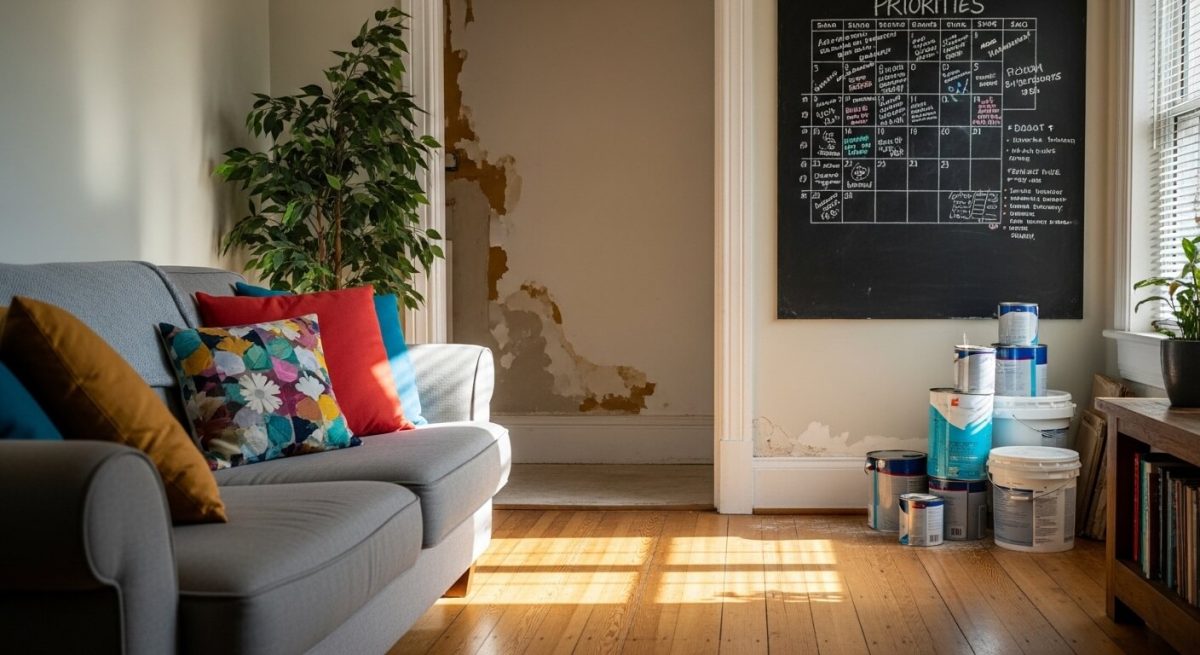
To prioritize home improvements on a limited budget, start by evaluating your current needs and goals. Focus on projects with a high return on investment, like kitchen or bathroom upgrades, and consider high-impact changes that boost curb appeal. Set a realistic budget and timeline, breaking down costs and being flexible for unexpected issues. Don’t forget to seek professional guidance for valuable insights. There’s more to explore about maximizing your home’s value and comfort.

Assessing Your Current Needs and Goals

How can you determine which home improvements truly matter to you? Start by listing your current needs and goals.

Think about your lifestyle—do you need more space, better functionality, or aesthetic upgrades? Prioritize improvements that align with your daily activities and future plans.

Next, assess the condition of your home; identify areas needing immediate attention versus those that can wait. Consider how each improvement can enhance your comfort and satisfaction.

Finally, reflect on your budget—what can you realistically afford? By aligning your needs with your goals, you’ll focus on the improvements that’ll make the most difference in your life.

Evaluating the Potential Return on Investment

While planning your home improvements, it’s essential to evaluate their potential return on investment (ROI) to guarantee you’re spending wisely.

Start by researching which upgrades can boost your home’s value. Focus on projects with proven ROI, like kitchen remodels or bathroom updates.

Consider local market trends and consult real estate professionals for insights. Calculate the costs involved and compare them to the potential increase in your home’s value.

Keep in mind that some improvements may enhance your living experience even if they don’t offer a high financial return.

Prioritizing projects with solid ROI will help maximize your budget effectively.

Focusing on High-Impact Projects

After evaluating which improvements can yield the best return on investment, it’s time to hone in on high-impact projects that can transform your home without breaking the bank.

Focus on updates that enhance curb appeal, like fresh landscaping or a new front door. Inside, consider repainting walls in neutral colors for a modern look. Upgrading light fixtures or cabinet hardware can also make a significant difference.

Don’t overlook minor repairs; fixing leaks or squeaky doors improves functionality and perception.

Prioritize projects that elevate both aesthetics and value, ensuring you maximize your budget for a lasting impact.

Setting a Realistic Budget and Timeline

Creating a realistic budget and timeline for your home improvements is vital to keeping your project on track. Start by evaluating your finances and determining how much you can afford to spend. Break down costs by prioritizing essential materials and labor.

Next, outline a timeline that considers the scope of each project and any potential delays. Be sure to factor in time for research and decision-making. Allow for some flexibility, as unexpected issues may arise.

Seeking Professional Guidance and Resources

When you’re tackling home improvements on a budget, seeking professional guidance can make a significant difference.

Professionals, like contractors or designers, can help you prioritize projects based on your needs and budget. They can provide insights on which upgrades offer the best return on investment.

Additionally, local home improvement stores often have resources, workshops, or consultations available.

Don’t underestimate online platforms, too; many websites offer valuable tips and forums where you can ask questions.

By leveraging these resources, you’ll make informed decisions and maximize the impact of your improvements without overspending.

Trust the experts to guide your choices wisely.

Frequently Asked Questions

How Can I Prioritize Improvements for Energy Efficiency?

Start by sealing leaks around windows and doors, then upgrade insulation.

Next, consider energy-efficient appliances and LED lighting.

Prioritize high-impact changes that lower energy bills and enhance comfort, ensuring long-term savings without overspending.

What Are the Best DIY Projects for Budget-Conscious Homeowners?

Consider invigorating your space with simple DIY projects like painting, adding shelving, or updating light fixtures.

You’ll enhance your home’s appeal without breaking the bank, and you’ll enjoy the satisfaction of doing it yourself.

How Do Seasonal Changes Affect Home Improvement Projects?

Seasonal changes can impact your home improvement projects considerably.

You’ll want to take into account weather conditions, the best times for exterior work, and energy efficiency upgrades, ensuring your efforts align with seasonal benefits for ideal results.

Should I Consider Financing Options for Larger Renovations?

Yes, you should consider financing options for larger renovations.

They can help spread costs over time, making it easier to manage your budget while still achieving your desired improvements.

Just guarantee you understand the terms before committing.

How Can I Maximize Small Spaces on a Limited Budget?

You can maximize small spaces by using multi-functional furniture, incorporating vertical storage solutions, and utilizing light colors to create an airy feel.

Prioritize decluttering to enhance usability and make the area seem larger.

Conclusion

By prioritizing your home improvements based on your needs, potential ROI, and high-impact projects, you can make the most of your limited budget. Set a realistic budget and timeline, and don’t hesitate to seek professional advice if needed. Remember, even small upgrades can significantly enhance your living space and increase your home’s value. With careful planning and focus, you’ll transform your house into the home you’ve always wanted without breaking the bank.

Categories
Blog

Should You Renovate Before Selling Your Home in Westchester?

Renovating before selling your home in Westchester can boost its appeal and market value. Understanding the local real estate market is key; focus on renovations that attract buyers. Create a budget, research costs, and prioritize high-impact improvements like fresh paint or minor kitchen updates. However, weigh the risks, such as budget overruns and time commitments, against potential rewards. There’s more to reflect on to guarantee your renovations align with current trends and buyer preferences.

Understanding the Local Real Estate Market

How well do you know your local real estate market? Understanding it’s essential for making informed decisions about renovations before selling your home.

Start by researching recent sales in your area. Look at comparable properties, their features, and sale prices. Pay attention to trends, such as which upgrades attract buyers.

You’ll want to know the average time homes spend on the market and how they’re priced. Additionally, consider the demographics of potential buyers; their preferences can influence your renovation choices.

Evaluating the Cost of Renovations

Once you have a solid grasp of your local real estate market, it’s time to assess the cost of renovations. Start by creating a budget that outlines your desired updates.

Research materials, labor costs, and potential permits to get a realistic picture. Don’t forget to factor in unexpected expenses—renovations often come with surprises.

It’s wise to compare quotes from multiple contractors to guarantee you’re getting a fair deal. Keep in mind that while some upgrades can yield a high return on investment, others mightn’t be worth the expense.

Prioritize wisely to maximize your home’s appeal without overspending.

Identifying High-Impact Improvements

When you’re preparing to sell your home, identifying high-impact improvements can greatly enhance its appeal to potential buyers.

Focus on areas that offer the best return on investment. Fresh paint in neutral colors creates a clean slate, while updated light fixtures can modernize your space.

Consider minor kitchen upgrades, like new cabinet hardware or a stylish backsplash. Curb appeal matters, so landscaping and a new front door can make a strong first impression.

Finally, verify that bathrooms are clean and functional; small updates like new faucets or fresh grout can be worth the effort.

Prioritize improvements that resonate with buyers.

Assessing Your Home’s Current Condition

Before diving into renovations, it’s essential to assess your home’s current condition. Start by examining the structural elements—roof, foundation, and plumbing. Look for signs of wear, such as leaks or cracks.

Next, evaluate the aesthetics; fresh paint and clean carpets can make a significant difference. Don’t forget to reflect on energy efficiency; outdated windows or appliances might deter potential buyers.

Take notes on areas needing repair or improvement. You’ll want to be realistic about what’s necessary and what might be more cosmetic. Understanding these factors will help you make informed decisions about whether to renovate before selling.

Weighing the Risks and Rewards of Renovating

After evaluating your home’s current condition, it’s time to weigh the risks and rewards of renovating.

Renovations can boost your home’s value and attract more buyers, but they also come with financial risks and time commitments. Consider your budget and the specific updates that will appeal to potential buyers in Westchester.

A kitchen or bathroom remodel often yields a higher return on investment. However, if renovations exceed your budget or time frame, you might end up losing money.

Carefully evaluate which projects align with your goals and market trends before deciding to proceed with renovations.

Frequently Asked Questions

How Long Does a Typical Renovation Project Take?

A typical renovation project takes anywhere from a few weeks to several months, depending on the scope.

You’ll need to factor in planning, permits, and potential delays, which can extend the timeline considerably.

What Renovations Can Decrease My Home’s Value?

Certain renovations, like overly personalized decor, excessive landscaping, or high-end fixtures that don’t match neighborhood standards, can actually decrease your home’s value.

Stick to neutral updates that appeal to a broader audience for better results.

Should I Hire a Contractor or DIY My Renovations?

You should hire a contractor for complex renovations, as they guarantee quality and safety.

However, if you’re skilled and confident, DIY can save money.

Just weigh your abilities against the project’s demands before deciding.

How Do I Choose the Right Style for Renovations?

To choose the right style for renovations, consider your home’s architecture, neighborhood trends, and personal preferences.

Research design ideas, visit showrooms, and gather inspiration from magazines or online platforms to guide your decisions effectively.

Will Renovations Affect My Home Insurance?

Yes, renovations can affect your home insurance.

They might increase your home’s value, leading to higher premiums.

It’s important to inform your insurer about any changes to guarantee you’re adequately covered during and after renovations.

Conclusion

Deciding whether to renovate before selling your Westchester home can be tricky. By understanding the local market, evaluating renovation costs, identifying impactful changes, and assessing your home’s condition, you can make an informed choice. Weigh the potential risks against the rewards to determine if renovations will truly enhance your sale price. Ultimately, trust your instincts and go with what feels right for your situation. A well-informed decision can lead to a smoother, more profitable sale.

Categories
Blog

Small Space Solutions: Yonkers Home Contractors Share Smart Renovation Ideas

Transform your small space into a functional haven with smart renovation ideas from Yonkers home contractors. Maximize vertical space with ceiling-high shelves and wall-mounted storage. Choose dual-purpose furniture like sofa beds and storage ottomans to save room. Embrace an open concept by removing unnecessary walls to enhance flow and light. Use light colors to create an airy vibe, while adding outdoor extensions for extra living space. Discover more innovative solutions to elevate your home’s potential!

Maximizing Vertical Space: Shelving and Storage Solutions

When it comes to small spaces, utilizing vertical space can transform your home. You can install shelves that reach the ceiling, creating ample room for books, plants, or decor.

Use wall-mounted storage units to keep items off the floor and maintain an organized look. Consider adding hooks or pegboards for additional storage of tools or kitchen utensils.

Floating shelves are great for displaying personal items without taking up valuable space. Don’t overlook corners; corner shelves can maximize every inch.

Multifunctional Furniture: Dual-Purpose Pieces for Small Homes

Maximizing vertical space can only take you so far in a small home; incorporating multifunctional furniture can further enhance your living area.

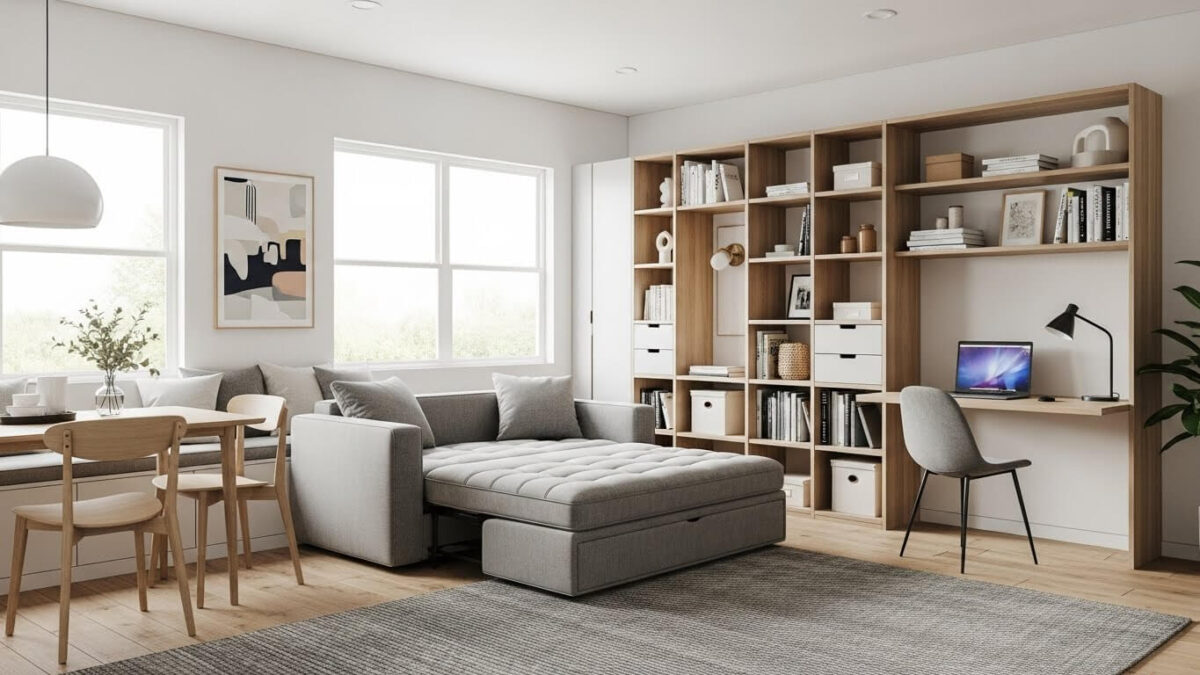
Think about a sofa bed that transforms your living room into a guest room or an ottoman that doubles as storage. You might also consider a dining table that folds down when not in use or a desk that can be tucked away.

These dual-purpose pieces not only save space but also add versatility to your home. By choosing multifunctional furniture, you’ll create a more efficient and stylish environment, making the most of every square inch.

Open Concept Living: Creating Flow in Compact Areas

Open concept living can transform compact areas into inviting, cohesive spaces that feel larger than they are. By removing unnecessary walls, you create a seamless flow between your kitchen, dining, and living areas.

This design encourages interaction and maximizes natural light, enhancing your home’s overall ambiance. Consider using consistent flooring and color schemes to unify the spaces visually.

When choosing furniture, opt for pieces that don’t overwhelm the space but still offer essential functionality. You’ll find that open spaces can adapt to various needs, making your home feel more spacious and welcoming while promoting a relaxed, social atmosphere.

Smart Color Choices: Using Light and Dark to Enhance Space

Creating a cohesive flow in open concept living spaces can be further enhanced with smart color choices. Light colors like soft whites and pale pastels can make your space feel larger and more inviting. They reflect natural light, creating an airy atmosphere.

On the other hand, darker shades can add depth and warmth, creating cozy nooks within your open layout. Consider using darker accents on walls or furniture to balance the light tones.

Outdoor Extensions: Expanding Living Space With Patios and Balconies

While you might think of your living space as solely indoors, outdoor extensions like patios and balconies can greatly enhance your home’s functionality and aesthetics.

These spaces provide a seamless connection between your home and nature, perfect for entertaining, relaxing, or enjoying a morning coffee. By adding comfortable seating, greenery, and even outdoor kitchens, you can create a cozy oasis.

Consider using multi-functional furniture to maximize space. Balconies can also offer stunning views, making them great for small homes.

With thoughtful design, your outdoor areas can become an extension of your lifestyle, allowing for more enjoyable living without expanding your home’s footprint.

Frequently Asked Questions

How Do I Choose the Right Contractor for Small Space Renovations?

To choose the right contractor for small space renovations, research local options, read reviews, ask for recommendations, and check their portfolios.

Interview candidates to gauge communication skills and make certain they understand your vision and needs.

What Budget Should I Expect for Small Space Renovations?

You should expect to budget anywhere from $10,000 to $50,000 for small space renovations.

Factors like materials, design complexity, and contractor fees can influence the total cost, so always plan for unexpected expenses.

Are There Specific Permits Required for Small Space Projects?

Yes, you’ll likely need specific permits for small space projects, depending on your local regulations.

It’s best to check with your city or county office to guarantee you comply with all necessary requirements before starting renovations.

How Long Do Typical Small Space Renovations Take to Complete?

Typical small space renovations usually take between two to six weeks, depending on the project’s complexity and scope.

You’ll want to plan for potential delays, but effective communication can help keep everything on track.

What Are the Best Materials for Small Space Renovations?

For small space renovations, consider using lightweight materials like plywood, modular furniture, and mirrors to enhance light and perception of space.

Durable finishes like laminate or vinyl can also maximize functionality without overwhelming your area.

Conclusion

By embracing these small space solutions, you can transform your home into a more functional and enjoyable environment. Get creative with vertical storage, invest in multifunctional furniture, and consider open concept designs to enhance flow. Don’t forget to play with color to make your space feel larger and brighter. Lastly, think about outdoor extensions to expand your living area. With these smart renovation ideas, you’ll maximize every inch of your home while adding your personal touch.

Categories
Blog

How Long Do Home Renovations Take? A Timeline from Yonkers General Contractors

Home renovations can take anywhere from a few days to several months, depending on the project’s scope. Quick updates like painting might only last a week, while mid-sized renovations, such as kitchen remodels, typically span 3 to 6 weeks. Larger projects, including whole-home renovations, can extend from 2 to 6 months or longer. Keep in mind that various factors, like contractor schedules and permit approvals, can affect these timelines. There’s more to contemplate, so let’s explore further.

Understanding the Renovation Process

When you decide to commence on a home renovation, understanding the process is essential to your success.

You’ll need to start by defining your goals and setting a budget. Next, research and hire reliable contractors who align with your vision.

Once you’ve secured your team, it’s time to finalize designs and acquire necessary permits.

During construction, maintain clear communication with your contractors to address any unforeseen issues.

As you approach completion, focus on the finishing touches that will enhance your space.

Factors Affecting Renovation Timelines

Several factors can influence the timeline of your home renovation, and understanding them can help you better plan your project.

First, the scope of work plays an essential role; larger projects naturally take longer. Weather conditions can also delay outdoor work, while materials availability can lead to unexpected holds.

If you’re working with a contractor, their schedule and efficiency will impact the timeline too. Changes you make mid-project can add further delays.

Finally, local regulations and permit requirements might extend your timeline as you navigate through the approval processes.

Consider these factors to set realistic expectations for your renovation.

Typical Renovation Project Timelines

Understanding typical renovation project timelines can help you plan your home improvements more effectively.

Generally, small projects like painting or upgrading fixtures take a few days to a week. Mid-sized renovations, such as kitchen or bathroom remodels, usually span 3 to 6 weeks.

Larger projects, including whole-home renovations or additions, can stretch from 2 to 6 months or more, depending on complexity.

It’s essential to account for permitting and potential delays, which can affect your schedule.

By knowing these timelines, you can set realistic expectations and minimize stress throughout the renovation process.

Plan accordingly, and stay on track!

Tips for a Smoother Renovation Experience

To guarantee a smoother renovation experience, start by setting a clear budget and timeline.

Communicate openly with your contractors about your expectations and preferences. Keep decisions simple; the more choices you make, the longer it may take.

Make sure to pick a reliable team with good reviews and references, as this can greatly impact your project.

Prepare your home by decluttering and creating a designated workspace for contractors.

Stay flexible—delays can happen, but a positive attitude can help you navigate any bumps in the road.

Regular check-ins with your team will keep everyone on the same page and maintain progress.

Preparing for the Unexpected During Renovations

Even with careful planning and preparation, unexpected challenges can arise during renovations. To minimize stress, set aside a contingency budget—10-20% of your total costs is a good rule.

Keep communication open with your contractor; they can help navigate issues as they come up. It’s wise to expect delays, whether due to weather, materials, or permits.

Have a flexible timeline in place, and remember that patience is key. Finally, maintain a temporary living arrangement if needed; it can ease the strain of living amidst chaos.

Frequently Asked Questions

What Permits Are Required for Home Renovations in Yonkers?

You’ll need a building permit, electrical permit, and plumbing permit for most home renovations in Yonkers.

Check with the local building department for specific requirements based on your project’s scope and complexity.

Can Renovations Be Completed During Winter Months?

Yes, renovations can be completed during winter months.

Just be prepared for potential delays due to weather conditions.

It’s essential to work with experienced contractors who can navigate these challenges effectively and keep your project on track.

How Do I Choose the Right Contractor for My Project?

To choose the right contractor, research their experience, read reviews, and ask for references.

Interview multiple candidates, clarify your vision, and guarantee they’re licensed and insured.

Trust your instincts; a good fit matters.

What Are Common Mistakes to Avoid During Renovations?

Avoid rushing decisions, underestimating budgets, and ignoring permits.

Don’t skip detailed planning or communication with your contractor.

It’s essential to stay organized and flexible, ensuring your renovation runs smoothly and meets your expectations.

How Will Renovations Affect My Home’s Value?

Renovations can notably boost your home’s value if done wisely.

Upgrading kitchens, bathrooms, and curb appeal usually yields the best returns.

Just avoid over-personalizing, as it might deter potential buyers when you decide to sell.

Conclusion

In conclusion, home renovations can vary significantly in duration, depending on several factors like project scope and contractor efficiency. By understanding the renovation process and preparing for potential delays, you can help ensure a smoother experience. Keep communication open with your contractors, and stay flexible to adapt to any unexpected challenges. With the right approach, you’ll not only achieve your dream space but also enjoy the journey of transforming your home. Happy renovating!

Categories
Blog

How General Contractors in Yonkers, NY Handle Home Additions and Expansions

General contractors in Yonkers, NY, tackle home additions and expansions by first ensuring compliance with local building codes and zoning laws. They assess your needs and preferences, considering how you’ll use the new space. Throughout the construction process, they maintain clear communication about timelines and budgets, ensuring everything runs smoothly. After the work, they schedule final inspections to guarantee compliance. By hiring an experienced contractor, you set the stage for a successful project. There’s more to explore about this process.

Understanding Local Building Codes and Zoning Laws

When planning a home addition in Yonkers, NY, it’s essential to understand local building codes and zoning laws, as these regulations directly impact your project.

Familiarize yourself with the specific requirements for your area, including setbacks, height restrictions, and allowable square footage. You’ll need to obtain the necessary permits before starting any work.

Ignoring these regulations can lead to fines or forced removal of your addition. Consulting with a local contractor or architect can simplify this process, ensuring compliance while maximizing your design options.

Stay informed to avoid costly delays and make your home addition a successful venture.

Assessing Homeowner Needs and Preferences

Maneuvering building codes and zoning laws sets the stage for your home addition, but understanding your own needs and preferences is just as important.

Start by reflecting on your lifestyle—do you need more space for a growing family or a home office? Consider how you’ll use the new area and the features that matter most to you, like storage or natural light.

Don’t forget to think about your future plans; flexibility might be key. Communicate these needs clearly with your contractor, ensuring your vision aligns with practical considerations.

This foundation will guide the design process effectively.

Designing Functional and Aesthetic Spaces

While you focus on the practical aspects of your home addition, don’t overlook the importance of creating a space that’s both functional and visually appealing.

Consider how the layout will enhance your daily activities—open concepts can promote flow, while designated areas can provide privacy.

Choose materials and colors that complement your existing home and reflect your style. Incorporate natural light with large windows or skylights to make the space feel inviting.

Don’t forget about storage solutions that blend seamlessly into your design, ensuring your new space remains organized.

Balancing functionality with aesthetics will create an addition you’ll love for years.

Managing the Construction Process

As you commence your home addition project, managing the construction process effectively is vital to guaranteeing a smooth experience.

Communication is key; keep in touch with your general contractor, discussing timelines, budgets, and any concerns that arise. Regular site visits help you stay updated on progress and address issues promptly.

Confirm all necessary permits are secured before starting, as this can prevent delays. Be prepared for unexpected challenges, and maintain flexibility in your plans.

Finally, cultivate a positive relationship with your contractor and workers, as teamwork can greatly enhance the project’s overall efficiency and success.

Final Inspections and Project Completion

Once your home addition project nears completion, it’s essential to schedule final inspections to guarantee everything meets local building codes and regulations.

During these inspections, the inspector will check structural integrity, electrical systems, plumbing, and overall safety. You’ll want to address any issues immediately to avoid delays in project completion.

Once everything passes inspection, you can obtain a certificate of occupancy, allowing you to officially use your new space.

Finally, celebrate your hard work! Review the project with your contractor to verify you’re satisfied with the results before making final payments. Enjoy your enhanced home!

Frequently Asked Questions

How Long Does a Typical Home Addition Project Take?

A typical home addition project takes around two to four months, depending on size and complexity.

You’ll need to contemplate design, permits, and potential weather delays, so plan accordingly to avoid surprises.

What Is the Average Cost of Home Additions in Yonkers?

The average cost of home additions in Yonkers typically ranges from $100 to $300 per square foot.

Your total will depend on factors like design complexity, materials, and labor costs, so plan accordingly.

Do I Need to Hire an Architect for My Project?

You don’t necessarily need to hire an architect for your project, but it’s often beneficial.

An architect can help maximize your space, guarantee proper design, and navigate local regulations, making the process smoother overall.

Can I Live in My Home During the Construction?

Yes, you can live in your home during construction, but it might be inconvenient.

Noise, dust, and restricted access could disrupt your daily routine, so plan accordingly and communicate with your contractor for a smoother experience.

What Financing Options Are Available for Home Additions?

You’ve got several financing options for home additions, like home equity loans, personal loans, or cash-out refinancing.

Each option has its pros and cons, so consider your financial situation before making a decision.

Conclusion

In Yonkers, navigating home additions and expansions is all about understanding local regulations, assessing your needs, and focusing on design. By working closely with your general contractor, you’ll ensure the construction process runs smoothly and meets all requirements. Once the final inspections are done, you’ll be left with a beautiful, functional space that enhances your home. Embrace the journey, and enjoy the transformation that a well-planned addition can bring to your living environment.

Categories
Blog

Interior Design Collaboration: How Home Contractors in Yonkers, NY Work with Designers

When you think about renovating your home in Yonkers, NY, it’s crucial to understand how home contractors and interior designers collaborate to create your ideal space. You’ll find that clear communication is key, allowing both parties to align on your vision while managing practical needs. Contractors focus on the nitty-gritty of materials and timelines, while designers craft the aesthetic. But what happens when challenges arise during this partnership? Exploring those dynamics can reveal how successful projects come together, and you might be surprised by the solutions they find.

Roles of Home Contractors

In the realm of interior design, home contractors play a pivotal role in bringing your vision to life. They’re the professionals who turn your ideas into tangible results, managing the construction and renovation processes.

From coordinating timelines to sourcing materials, they ensure everything runs smoothly. When you communicate your design preferences, they interpret those ideas, providing valuable insights on feasibility and budget.

Home contractors also work closely with suppliers and subcontractors, ensuring that skilled labor is available when needed. They address any issues that arise during the project, keeping you informed and involved.

Roles of Interior Designers

While home contractors manage the logistics of a project, interior designers focus on the aesthetic and functional aspects of a space.

You’ll work closely with clients to understand their style preferences, needs, and budget. This allows you to create cohesive design concepts that reflect their vision. You’ll select color schemes, furniture, and materials, ensuring everything harmonizes beautifully.

Additionally, you’ll develop floor plans that optimize space utilization, enhancing both comfort and flow. Your expertise in lighting and texture adds depth to the overall design.

You’ll also collaborate with contractors to ensure your ideas are executed correctly, making adjustments as needed. Ultimately, your role is to transform a house into a home that’s both visually stunning and practical for everyday living.

Collaborative Planning Process

The collaborative planning process in interior design is crucial for bringing together the visions of clients, designers, and contractors.

You’ll start by setting clear goals and expectations, ensuring everyone is on the same page from the beginning. Regular meetings help facilitate open communication, where you can discuss ideas, budgets, and timelines.

By leveraging each participant’s expertise, you create a well-rounded approach that fosters innovative solutions. You’ll also benefit from sharing design concepts and incorporating feedback early on, which streamlines the decision-making process.

This teamwork not only enhances creativity but also builds trust among all parties involved. Ultimately, an effective collaborative planning process results in a cohesive design that reflects your desires while meeting practical construction needs.

Common Challenges Faced

Navigating the intricacies of interior design collaboration in Yonkers can present several challenges. You might encounter communication barriers, where misinterpretations can lead to costly mistakes.

Balancing creative visions with practical constraints often proves difficult, as designers and contractors may have differing priorities. Time management is another hurdle; tight schedules can create pressure, making it hard to maintain quality.

Additionally, budget constraints can limit your choices, leading to compromises that mightn’t align with your original vision. Lastly, differing work styles between contractors and designers can cause friction, complicating the collaboration process.

Recognizing these challenges early on can help you strategize and foster a more productive partnership, ultimately leading to a successful interior design project.

Successful Project Examples

Many successful interior design projects in Yonkers showcase the power of effective collaboration.

For instance, a recent renovation of a historic home featured a seamless partnership between a designer and contractor. The designer’s vision for open spaces and natural light came to life with the contractor’s expertise in structural adjustments.

In another project, a modern condo benefited from the contractor’s knowledge of materials, allowing the designer to achieve a sleek, functional aesthetic.

These examples illustrate how clear communication and shared goals lead to stunning results. When you engage your contractor in the design process, you’re more likely to create spaces that reflect both style and practicality, ensuring your project runs smoothly and meets your expectations.

Frequently Asked Questions

How Do Contractors and Designers Communicate During a Project?

You’ll find that contractors and designers communicate through regular meetings, phone calls, and emails.

They share updates, discuss challenges, and ensure everyone’s on the same page to achieve a successful project outcome together.

What Is the Typical Timeline for a Collaborative Project?

A typical collaborative project timeline usually spans several weeks to months.

You’ll start with planning, then move to execution.

Regular check-ins keep everyone aligned, ensuring the project stays on track and meets your vision.

How Are Budgets Determined in These Collaborations?

In these collaborations, you’ll typically assess the project scope first.

Then, you and your team will estimate costs for materials and labor, ensuring you align with your budget while considering any unexpected expenses that might arise.

What Qualifications Should I Look for in a Contractor or Designer?

When choosing a contractor or designer, look for experience, relevant certifications, strong portfolios, and positive reviews.

It’s crucial they communicate well and understand your vision, ensuring a smooth collaboration throughout your project.

Can I Hire a Contractor or Designer Separately?

Yes, you can hire a contractor or designer separately.

Just ensure they can communicate effectively, as it’ll streamline your project.

Each brings unique skills, so choose based on your specific needs and preferences.

Conclusion

In Yonkers, the synergy between home contractors and interior designers is key to achieving stunning renovations. By clearly defining roles and maintaining open communication, they tackle challenges together and bring creative visions to life. When you embrace this collaborative approach, you not only enhance the design process but also ensure that the final result is both beautiful and functional. Ultimately, this partnership transforms spaces, making your home a true reflection of your style and needs.

Categories
Blog

Top Remodeling Trends General Contractors in Yonkers, NY Are Seeing in 2025

As you consider a potential remodel in 2025, it’s important to recognize the top trends that general contractors in Yonkers, NY, are observing. Homeowners are increasingly opting for smart home technology that enhances both convenience and energy efficiency. Additionally, sustainable materials like reclaimed wood are becoming staples in modern designs. You might be surprised to learn how these choices, along with open floor plans and multi-functional spaces, are transforming homes into versatile havens. What other trends are emerging that could influence your next project?

Smart Home Technology

Smart home technology is transforming how you interact with your living space, making it more convenient and efficient than ever. You can control lighting, temperature, and security systems all from your smartphone or tablet, giving you peace of mind and comfort.

Imagine waking up to your coffee brewing while the lights gradually brighten to ease you into the day. Smart thermostats learn your habits, adjusting the temperature to save energy without sacrificing comfort.

Voice-activated assistants can help you manage daily tasks, like setting reminders or playing music, with just a command. Integrating smart devices into your home not only enhances your lifestyle but also adds value to your property.

Embrace this technology to create a connected, modern living environment tailored to your needs.

Sustainable Materials

Choosing sustainable materials for your remodeling projects not only benefits the environment but also enhances your home’s aesthetic and durability. You’ll find that options like reclaimed wood, bamboo, and recycled metal can add unique character to your space while reducing your carbon footprint.

These materials often require less energy to produce, making them a smart choice for eco-conscious homeowners.

Additionally, using low-VOC paints and finishes can improve indoor air quality, keeping your family healthier. Consider incorporating natural stone or sustainably sourced countertops for a stylish yet responsible choice.

Open Floor Plans

The allure of open floor plans has transformed modern homes, creating spaces that feel more airy and inviting.

You’ll find that these layouts promote better flow, allowing you to seamlessly navigate between living, dining, and kitchen areas. This design choice not only enhances interaction among family members and guests but also maximizes natural light, making the entire space feel larger.

As you consider a remodel, think about how removing walls can redefine your home’s atmosphere.

You’ll appreciate the versatility open layouts offer, enabling you to arrange furniture in a way that suits your lifestyle. Plus, they’re perfect for entertaining, fostering a warm and inviting environment.

Embracing this trend can truly elevate your living experience and add value to your home.

Outdoor Living Spaces

Transform your backyard into a vibrant oasis with outdoor living spaces that extend your home’s functionality.

Imagine lounging on a stylish patio, surrounded by lush greenery, or cooking in a fully-equipped outdoor kitchen. These spaces create perfect spots for entertaining friends and family or enjoying quiet evenings under the stars.

Consider adding features like fire pits, outdoor seating, and pergolas to enhance comfort and style. You can also incorporate lighting to set the mood for nighttime gatherings.

Many homeowners are opting for durable materials that withstand the elements while maintaining an inviting aesthetic.

Multi-Functional Rooms

Creating outdoor living spaces can lead to a need for versatile interiors that complement your lifestyle.

With the rise of remote work and changing family dynamics, multi-functional rooms are becoming essential. You might find that a spare bedroom transforms into a home office by day and a guest room by night.

Consider incorporating foldable furniture or built-in storage to maximize space efficiency. A combined living and dining area can serve both relaxation and entertainment needs, while a kitchen island can double as a workspace.

By embracing these adaptable designs, you’ll create a home that’s not only functional but also reflects your unique taste.

As you plan your remodeling, think about how each room can serve multiple purposes to enhance your daily life.

Frequently Asked Questions

What Is the Average Cost of Remodeling a Kitchen in Yonkers?

The average cost of remodeling a kitchen in Yonkers typically ranges from $20,000 to $50,000.

It really depends on the scope, materials, and design choices you make during the renovation process.

How Long Do Typical Remodeling Projects Take to Complete?

Typical remodeling projects take anywhere from a few weeks to several months, depending on the scope.

You’ll want to communicate your timeline with your contractor to ensure everyone’s on the same page throughout the process.

Are There Specific Permits Required for Home Renovations in Yonkers?

Yes, you’ll need specific permits for home renovations in Yonkers.

Typically, permits cover structural changes, electrical work, and plumbing.

It’s best to check with the local building department to ensure you comply with all regulations.

What Financing Options Are Available for Home Remodeling Projects?

For home remodeling projects, you’ve got several financing options.

Consider personal loans, home equity lines of credit, or even credit cards. Each option has its benefits, so weigh them carefully to find what suits you best.

How Can Homeowners Increase Their Property Value Through Remodeling?

You can increase your property value through remodeling by updating kitchens and bathrooms, enhancing curb appeal, and adding energy-efficient features.

Focus on high-demand improvements that attract buyers and ensure a good return on investment.

Conclusion

In 2025, embracing these remodeling trends can transform your home into a modern haven. By incorporating smart home technology, you’ll enjoy convenience and energy efficiency, while sustainable materials reflect your commitment to the environment. Open floor plans and multi-functional rooms enhance connectivity and versatility, making your space more enjoyable. Don’t forget to invest in outdoor living spaces for that seamless indoor-outdoor experience. With these updates, your home will not only look stylish but also function beautifully for your lifestyle.

Categories
Blog

Home Renovation Costs in Yonkers, NY: What to Expect When Hiring a Contractor

When you’re planning a home renovation in Yonkers, NY, it’s essential to have a clear understanding of what to expect in terms of costs. Major projects can set you back anywhere from $15,000 to $50,000, and the price varies significantly depending on the type of renovation. If you’re considering hiring a contractor, you’ll need to navigate their pricing structures and factor in potential unexpected expenses. So, what’s the best way to budget for these projects and ensure you’re not caught off guard? Let’s explore some key considerations that can make a difference.

Average Renovation Costs

When you’re planning a home renovation in Yonkers, NY, understanding average renovation costs is crucial for staying on budget.

Typically, you can expect to pay between $15,000 and $50,000 for major renovations, depending on the size and scope of your project. Kitchen and bathroom remodels usually fall on the higher end, ranging from $20,000 to $40,000.

If you’re considering a whole-home renovation, costs can soar, often exceeding $100,000. Smaller projects, like painting or flooring updates, can be more manageable, averaging around $1,000 to $5,000.

It’s essential to research and get quotes from multiple contractors to ensure you’re making informed decisions. Knowing these averages will help you allocate your budget effectively and avoid unexpected expenses.

Factors Influencing Prices

Several factors influence the prices of home renovations in Yonkers, NY, and understanding them can help you plan your budget more effectively.

First, the scope of your project significantly affects costs; larger renovations require more materials and labor.

Next, the quality of materials you choose can either drive prices up or keep them manageable.

Labor costs also vary based on contractor experience and market demand.

Additionally, the age and condition of your home may require unexpected repairs, impacting your overall budget.

Local regulations and permits can add to your expenses, too.

Finally, seasonal fluctuations often play a role in pricing, with contractors typically charging more during peak renovation months.

Being aware of these factors will help you manage your renovation budget wisely.

Common Renovation Projects

Homeowners in Yonkers often tackle a variety of common renovation projects to enhance their living spaces and increase property value.

One popular project is kitchen remodeling, where you can update appliances, countertops, and cabinetry to create a more modern and functional space.

Bathroom renovations are also in demand, focusing on fixtures, tiles, and layouts to improve comfort and aesthetics.

Additionally, many homeowners invest in finishing basements to create additional living areas or entertainment spaces.

Upgrading windows and doors can boost energy efficiency and curb appeal, while exterior improvements, like deck installations or landscaping, can transform your home’s exterior.

Each of these projects not only enhances your daily living experience but also contributes significantly to your property’s overall value.

Pricing Structures of Contractors

Understanding the pricing structures of contractors is crucial for anyone planning a renovation in Yonkers. Most contractors use one of three common pricing models: fixed price, cost-plus, or hourly rates.

A fixed price gives you a clear total upfront, while cost-plus involves paying the actual costs plus a percentage for profit. Hourly rates can vary widely depending on the contractor’s experience and the project’s complexity.

Additionally, be aware of potential extra fees for materials, permits, or unexpected changes. It’s important to get detailed estimates and clarify what’s included to avoid surprises later.

Tips for Budgeting Effectively

When planning a renovation, effective budgeting can make all the difference in keeping your project on track. Start by determining your overall budget and stick to it. Research average costs for materials and labor in Yonkers, NY, so you know what to expect.

Break down your budget into categories, such as materials, labor, and permits, to identify where you might save. Always set aside a contingency fund—typically 10-20% of your budget—to cover unexpected expenses that may arise.

Prioritize your renovation goals; if you can’t afford everything, focus on what’ll add the most value. Finally, communicate openly with your contractor about your budget constraints to ensure everyone’s on the same page.

This approach will help keep your renovation stress-free and financially manageable.

Frequently Asked Questions

How Do I Choose the Right Contractor for My Project?

To choose the right contractor, start by researching local options, checking reviews, and asking for recommendations.

Interview candidates, discuss your project needs, and compare quotes to ensure you find the best fit for your vision.

What Permits Are Needed for Home Renovations in Yonkers?

When renovating your home in Yonkers, you’ll need various permits based on the scope of your project.

Check with the local building department to ensure you’ve got everything required before starting your renovations.

Can I Finance My Renovation Project?

Yes, you can finance your renovation project.

Many options are available, like personal loans or home equity lines of credit.

Just research your choices, compare interest rates, and ensure you understand the terms before committing.

What Is the Typical Timeline for Home Renovations?

The typical timeline for home renovations varies widely, but you can generally expect projects to take anywhere from a few weeks to several months.

Factors like project size, complexity, and contractor availability can influence this duration.

How Can I Avoid Renovation Scams in Yonkers?

To avoid renovation scams in Yonkers, research contractors thoroughly, read reviews, and ask for references.

Don’t rush decisions, get written estimates, and trust your instincts if something feels off during the hiring process.

Conclusion

When planning your home renovation in Yonkers, NY, it’s essential to stay informed about costs and contractor pricing structures. By understanding average expenses, the factors that influence them, and common projects, you can create a realistic budget. Remember to get multiple quotes and set aside a contingency fund for unexpected expenses. With careful planning and a clear vision, you’ll be well on your way to transforming your home into the space you’ve always dreamed of.

Categories
Blog

How General Contractors in Yonkers, NY Ensure Quality Control During Renovations

When you’re considering a renovation in Yonkers, NY, understanding how general contractors maintain quality control is crucial. They rely on structured planning, regular inspections, and skilled labor to ensure every detail meets industry standards. By breaking projects into phases and emphasizing clear communication, these contractors can effectively manage potential issues before they escalate. But what specific strategies do they employ to ensure that craftsmanship and materials consistently meet high expectations? You’ll find the answers as we explore the essential practices that lead to successful renovations.

Importance of Quality Control

Quality control is crucial in renovations, as it directly impacts the durability and appearance of your investment. Ensuring that every aspect of the project meets high standards can save you time and money in the long run.

When you prioritize quality control, you’re less likely to encounter issues like structural failures or aesthetic inconsistencies. Regular inspections during the renovation process help catch potential problems early, allowing for timely adjustments.

You’ll also want to ensure that materials and workmanship align with your expectations. By doing this, you enhance not only the safety of your space but also its overall value.

Ultimately, maintaining rigorous quality control means you can enjoy your renovated space with confidence, knowing it’s built to last.

Planning and Project Management

Effective planning and project management are essential for a successful renovation. When you start a project, outline your goals, budget, and timeline to keep everything on track.

Collaborate closely with your general contractor to establish clear communication channels, ensuring everyone’s on the same page. You’ll want to break the project into manageable phases, allowing for regular check-ins and adjustments as needed.

Use project management tools to monitor progress and stay organized. By anticipating potential issues and addressing them proactively, you can avoid costly delays and maintain quality control.

Remember that flexibility is key; be prepared to adapt your plans as challenges arise, ensuring your renovation meets your expectations without sacrificing quality.

Skilled Labor and Craftsmanship

Finding skilled labor and craftsmanship is crucial for the success of any renovation project. When you hire experienced workers, you’re not just getting hands on the job; you’re investing in quality that lasts.

These skilled professionals bring expertise and attention to detail, ensuring that every aspect of the renovation meets high standards. Whether it’s carpentry, plumbing, or electrical work, their craftsmanship reflects in the final result.

By selecting a general contractor who prioritizes skilled labor, you’re setting the stage for a smooth renovation process. You’ll notice the difference in the quality of materials used and the techniques applied.

Ultimately, it’s this commitment to excellence that transforms your vision into a beautifully executed reality, making your renovation truly stand out.

Regular Inspections and Assessments

Regular inspections and assessments are essential to ensure your renovation stays on track and meets your expectations. By conducting regular site visits, contractors can identify potential issues before they escalate, saving you time and money.

You’ll want to schedule inspections at key stages throughout the project, such as after framing or before installing fixtures. This proactive approach allows you to catch any deviations from your plans early on.

Additionally, assessments help verify that materials and workmanship meet industry standards, ensuring quality results. Trust your contractor to document these inspections, giving you a clear record of progress.

Regular assessments not only maintain high standards but also provide peace of mind, knowing your renovation is in capable hands.

Client Communication and Feedback

Clear communication between you and your contractor is crucial throughout the renovation process. Establishing a solid line of communication helps ensure that everyone’s on the same page regarding project timelines, budgets, and expectations.

Regular check-ins allow you to voice concerns or ask questions, making it easier to address issues before they escalate. Don’t hesitate to provide feedback—your insights can guide the project and enhance the final outcome.

Use tools like emails, texts, or project management apps to stay connected and document progress.

Frequently Asked Questions

What Certifications Do General Contractors in Yonkers Possess for Quality Assurance?

General contractors in Yonkers often possess certifications like the New York State license, OSHA safety training, and other specialized credentials.

These qualifications ensure they meet industry standards, prioritize safety, and deliver quality workmanship on your projects.

How Do Contractors Handle Unexpected Issues During Renovations?

When unexpected issues arise during renovations, you assess the situation quickly, communicate with your team, and adjust plans as needed.

You’ll prioritize solutions while ensuring quality and keeping the project on track for timely completion.

What Tools Are Used for Quality Control in Construction Projects?

You’ll find various tools for quality control in construction, like checklists, inspection software, and measurement devices.

These help you monitor progress, ensure compliance, and catch issues early, ultimately leading to a successful project outcome.

How Do Contractors Ensure Compliance With Local Building Codes?

To ensure compliance with local building codes, you regularly review regulations, conduct thorough inspections, and maintain open communication with inspectors.

You also train your team to stay updated on any changes in the codes.

What Is the Average Timeline for Quality Control Inspections?

The average timeline for quality control inspections typically ranges from a few days to several weeks, depending on the project’s complexity.

You should plan for these inspections to ensure everything meets the required standards and timelines.

Conclusion

In conclusion, ensuring quality control during renovations in Yonkers, NY, is essential for achieving your desired results. By prioritizing structured planning, skilled craftsmanship, regular inspections, and open communication, you can prevent potential issues and stay on track. When you collaborate closely with your general contractor, you’ll not only enhance the transparency of the process but also ensure that your renovation meets industry standards and your personal expectations. Your dream space is just a well-managed project away!